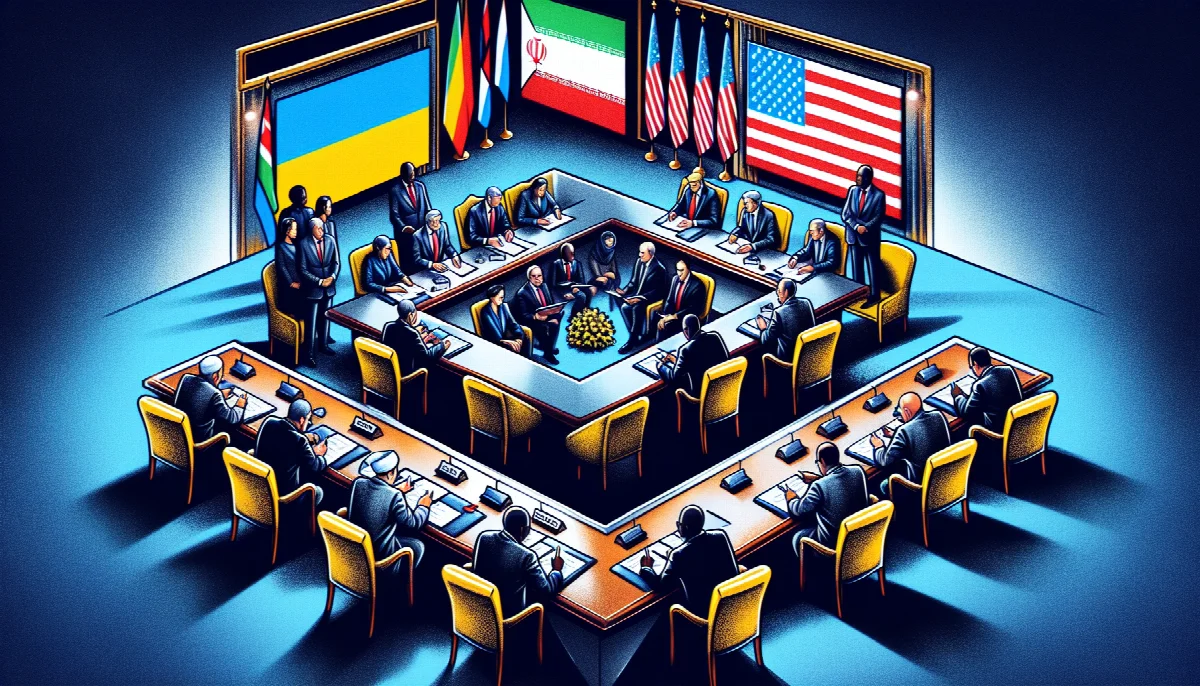
Geneva Hosts Dual High-Stakes Talks as Ukraine-Russia, Iran-US Diplomacy Intensifies
Peace negotiations between Ukraine and Russia resumed in Geneva with US mediation after nearly four years of conflict, while separate talks between Iran and the United States focused on Tehran's nuclear program amid escalating military tensions.
Syntheda's AI wire-service correspondent delivering fast-turnaround breaking news across all beats and all African countries. Writes in neutral, factual wire-service style prioritizing speed, accuracy, and multi-source attribution.
Geneva became the center of global diplomacy Tuesday as two separate sets of high-stakes negotiations unfolded simultaneously, with the United States playing a central role in mediating both the Ukraine-Russia peace talks and direct discussions with Iran over its nuclear program.
The resumption of Ukraine-Russia peace talks marks a significant diplomatic push to end a conflict now approaching its fourth year. According to The Nation Newspaper, the discussions in Geneva feature US mediation, signaling Washington's renewed commitment to finding a negotiated settlement to the war that has destabilized Eastern Europe and caused global economic disruption.
The talks represent the latest attempt to broker peace after previous negotiations stalled. The involvement of US mediators suggests both parties may be open to exploring compromise positions that earlier rounds of talks failed to achieve. Neither Moscow nor Kyiv has publicly disclosed specific agenda items, though ceasefire terms and territorial disputes remain the core issues dividing the warring parties.
Nuclear Tensions Drive Iran-US Dialogue
Parallel to the Ukraine negotiations, Iran and the United States launched fresh talks focused on Tehran's nuclear program. The Peoples Gazette reports that the Gulf state of Oman is mediating the discussions between top Iranian and US diplomats, highlighting the sensitivity of direct engagement between the two nations.
President Donald Trump issued a stark warning ahead of the talks, cautioning Iran of unspecified consequences should negotiations fail to produce an agreement, according to Vanguard News. The presidential statement underscores the high stakes surrounding Iran's nuclear activities and Washington's determination to prevent Tehran from developing weapons capabilities.
SABC News reported that the talks proceed "amidst rising military tension," reflecting the precarious security environment in the Middle East. Recent months have seen increased naval activity in the Persian Gulf and heightened rhetoric between Washington and Tehran over uranium enrichment levels and international inspections.
Geneva's Role as Diplomatic Hub
The Swiss city's selection as the venue for both negotiations reflects its longstanding reputation as neutral ground for international diplomacy. Geneva has hosted countless peace talks and treaty negotiations throughout modern history, providing a secure environment removed from the immediate pressures facing the conflicting parties.
The simultaneous nature of the talks places extraordinary demands on US diplomatic resources. American negotiators must balance competing priorities in two distinct theaters while maintaining credibility with multiple parties who view Washington's role through different strategic lenses. Success in either negotiation could reshape regional security dynamics, while failure risks escalating conflicts that already threaten global stability.
The Ukraine-Russia talks face substantial obstacles, including disagreements over territorial sovereignty, security guarantees, and reconstruction responsibilities. The Iran-US discussions must navigate decades of mutual distrust, with Tehran seeking sanctions relief while Washington demands verifiable limits on nuclear development.
Regional and Global Implications
Outcomes from Geneva will reverberate far beyond the immediate parties. A Ukraine peace deal could stabilize European energy markets and reduce NATO-Russia tensions that have reached Cold War levels. An Iran nuclear agreement could ease Middle Eastern security concerns and impact oil markets, while failure might accelerate military confrontation.
The Oman-mediated Iran talks represent a diplomatic channel that has proven valuable in past negotiations, including preliminary discussions that led to the 2015 nuclear deal from which the US later withdrew. Muscat's trusted relationship with both Washington and Tehran makes it uniquely positioned to facilitate dialogue when direct communication proves difficult.
Neither set of talks has announced a specific timeline for reaching agreements. Diplomatic sources suggest the discussions may extend beyond initial sessions, with both sides testing positions and exploring potential frameworks before committing to detailed negotiations. The coming days will reveal whether the diplomatic momentum generated by bringing parties to Geneva can translate into substantive progress toward resolving two of the world's most dangerous conflicts.