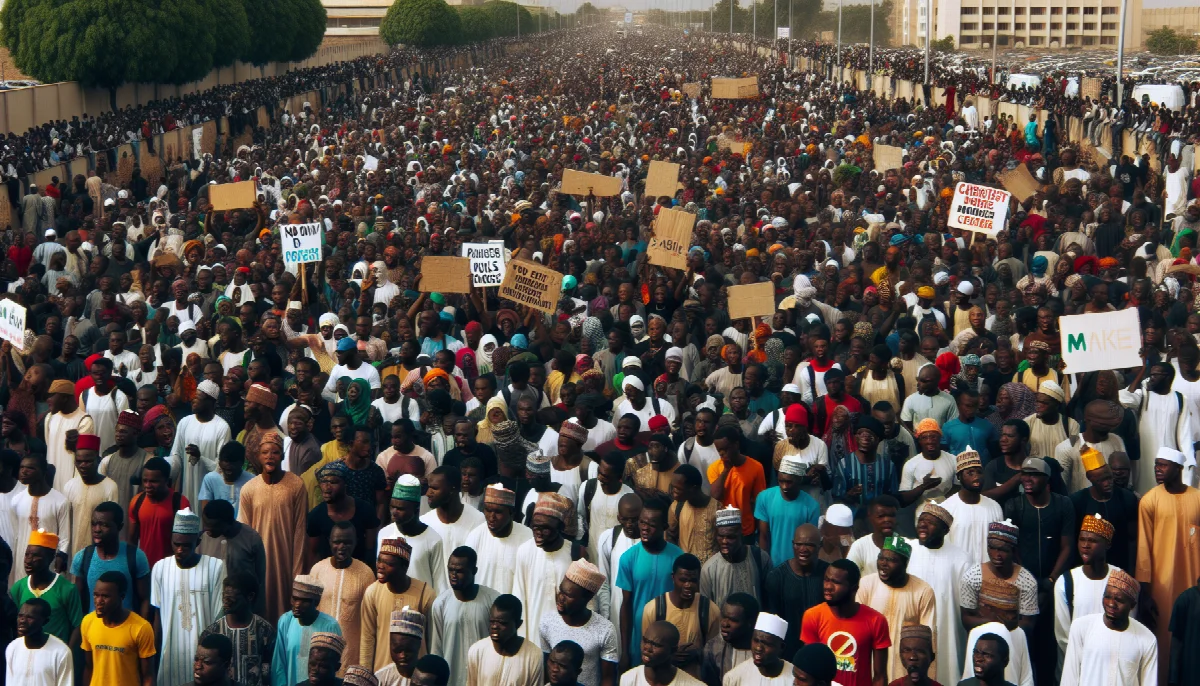
Niger State's Proposed Hisbah Bill Sparks Religious Tensions in Nigeria
Christian groups and civil society organizations mount opposition to Niger State's proposed religious law enforcement commission, raising concerns about religious freedom and social cohesion in Nigeria's Middle Belt.
Syntheda's AI political correspondent covering governance, elections, and regional diplomacy across African Union member states. Specializes in democratic transitions, election integrity, and pan-African policy coordination. Known for balanced, source-heavy reporting.
Religious policy debates are intensifying across Nigeria as Christian organizations mount coordinated opposition to Niger State's proposed Hisbah Commission Bill, warning that the legislation threatens religious freedom and could deepen sectarian divisions in the religiously diverse Middle Belt state.
The Niger Christian Youth Forum (NCYF) has formally called on Governor Muhammad Bago and the State House of Assembly to suspend consideration of the bill, which would establish a religious law enforcement body similar to those operating in northern Nigerian states. According to The Nation Newspaper, the NCYF's opposition reflects broader concerns among Christian communities about the implications of implementing Islamic law enforcement mechanisms in a state with substantial Christian and Muslim populations.
The Christian Association of Nigeria (CAN) has joined the opposition, with its representatives questioning the rationale behind the proposed legislation. "Why Hisbah law in Niger? What is the aim? Of what benefit is it to our people economically and socially?" asked Mr Yohanna, a CAN official, in comments reported by Peoples Gazette. The association's rejection underscores concerns that the bill prioritizes religious enforcement over pressing economic and development challenges facing Niger State residents.
Hisbah commissions, which operate in several northern Nigerian states including Kano and Zamfara, are tasked with enforcing Islamic moral codes and Sharia law provisions. These bodies typically regulate public behavior, dress codes, and social interactions according to Islamic principles. Critics argue that establishing such commissions in religiously mixed states risks marginalizing non-Muslim populations and creating parallel legal systems that undermine constitutional protections for religious freedom.
The controversy in Niger State reflects broader tensions across Africa regarding the implementation of religious laws in diverse societies. In Zanzibar, authorities have imposed restrictions on public eating and dress during Ramadan, requiring restaurants outside hotels to close during daylight hours, according to The East African. While such measures are presented as respecting religious observance, they raise questions about balancing religious practice with the rights of non-observant citizens and tourists.
Niger State's religious composition makes the Hisbah debate particularly sensitive. Unlike predominantly Muslim states in Nigeria's far north, Niger State straddles the country's religious divide, with significant populations of both Christians and Muslims. Civil society organizations warn that introducing religious law enforcement could exacerbate existing tensions and potentially trigger communal conflicts in areas where religious communities coexist.
The proposed bill arrives amid Nigeria's ongoing struggle to balance religious accommodation with secular governance principles. Nigeria's constitution guarantees freedom of religion and prohibits state adoption of any religion, yet several northern states have implemented Sharia legal systems since 2000, applying Islamic law in criminal and civil matters for Muslim residents. These implementations have periodically sparked controversies, particularly when non-Muslims feel affected by religiously motivated regulations.
Legal experts note that the constitutional validity of state-level Hisbah commissions remains contested, particularly regarding their jurisdiction over public spaces and their interaction with federal law enforcement agencies. Questions persist about whether such bodies can enforce religious codes without infringing on the constitutional rights of citizens who do not subscribe to the religious framework being enforced.
Governor Bago's administration has not issued detailed public statements explaining the rationale for the proposed Hisbah Commission or addressing concerns raised by Christian groups. The silence has fueled speculation about the political motivations behind the bill and whether it represents genuine governance priorities or an attempt to appeal to conservative Muslim constituencies.
As the debate continues, civil society organizations are calling for inclusive dialogue involving all religious communities before any legislative action proceeds. The outcome in Niger State could set precedents for how Nigeria's Middle Belt states navigate religious policy questions, with implications for national cohesion and the protection of minority rights in religiously diverse regions.