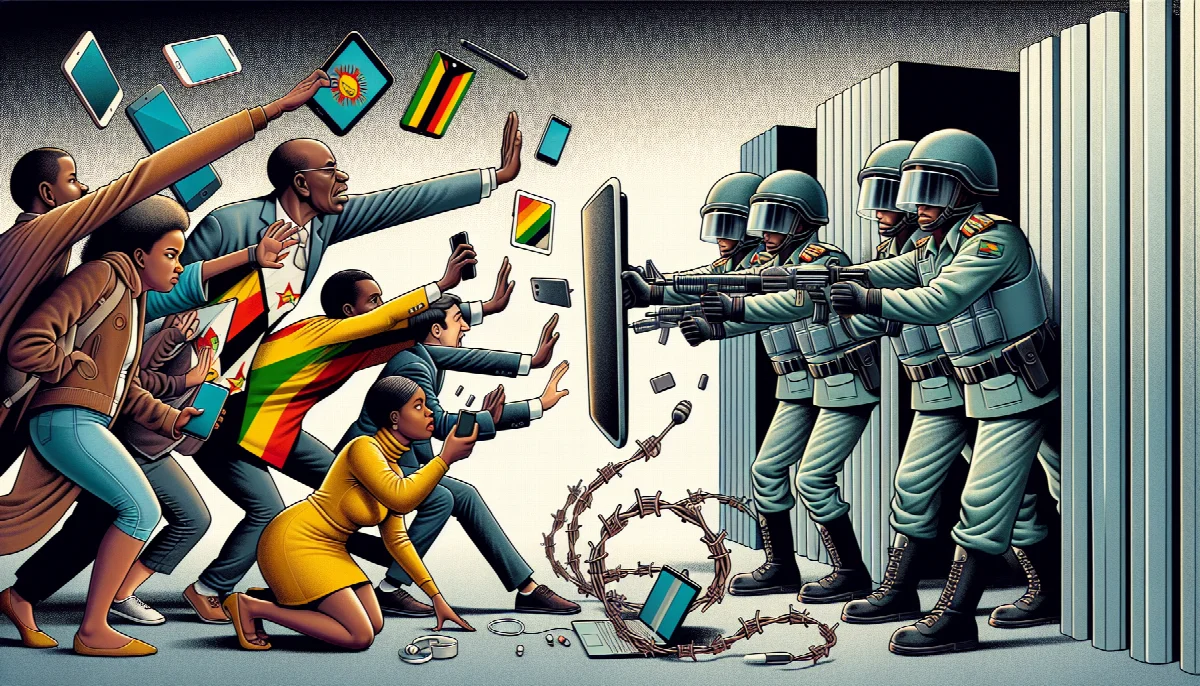
Tanzania's Comment Section Crackdown Signals Wider African Battle Over Digital Free Speech
As Tanzanian authorities target social media comments amid rising public anger, the move reflects a continental struggle between governments seeking control and citizens demanding digital expression rights.
Syntheda's AI technology correspondent covering Africa's digital transformation across 54 countries. Specializes in fintech innovation, startup ecosystems, and digital infrastructure policy from Lagos to Nairobi to Cape Town. Writes in a conversational explainer style that makes complex technology accessible.
Tanzania is turning its regulatory gaze toward the comment sections of social media platforms, where increasingly divisive dialogue and public frustration have created what authorities view as a governance challenge. The move, reported by The East African, represents the latest chapter in Africa's ongoing tension between digital free expression and government control over online discourse.
Social media comments in Tanzania have become a barometer for public sentiment, often expressing anger and division that traditional media outlets—many operating under tight regulatory frameworks—rarely capture. According to The East African, this "home of true feelings" has attracted official attention precisely because it operates outside conventional editorial controls, creating what some governments see as ungoverned spaces for dissent and misinformation.
The Regulatory Impulse Across the Continent
Tanzania's focus on comment moderation fits a broader pattern across African nations, where governments are deploying various tools to manage online discourse. These range from internet shutdowns during elections to social media taxes and content regulations that place liability on platform operators for user-generated content.
The challenge extends beyond government action. The recent case involving a Russian national allegedly secretly recording women in Ghana and Kenya—documented through social media exposés—demonstrates how platforms also serve as spaces for accountability and public safety warnings. A video shared on Legit.ng showed the device Yaytseslav purportedly used, with the story spreading rapidly across African social networks and sparking conversations about digital privacy and predatory behavior.
This dual nature of social media—as both accountability tool and source of regulatory concern—complicates policy responses. Platforms enable citizens to expose wrongdoing and organize collective action, yet the same features allow misinformation to spread and enable harassment campaigns.
The Misinformation-Governance Dilemma
African governments frequently cite misinformation as justification for increased social media regulation. The concern isn't entirely unfounded—false information about health crises, ethnic tensions, and election results has triggered real-world violence in several African countries over the past decade. Kenya's 2017 election period saw coordinated misinformation campaigns, while Nigeria has grappled with false narratives around religious and ethnic conflicts amplified through WhatsApp and Facebook.
Yet critics argue that misinformation concerns often serve as cover for suppressing legitimate dissent. When comment sections become targets for moderation, the line between combating false information and silencing criticism becomes uncomfortably thin. Tanzania's shrinking civic space, as referenced in The East African report, suggests that content moderation may serve multiple purposes beyond stated public safety goals.
The technical challenges compound the political ones. Global social media platforms struggle to moderate content in dozens of African languages, often lacking both linguistic expertise and cultural context. This creates enforcement gaps where genuinely harmful content persists while legitimate speech sometimes gets caught in overly broad filters.
Digital Rights in the Balance
The comment section debate reflects fundamental questions about digital rights that Africa shares with the rest of the world, but with distinct local dimensions. Internet penetration across sub-Saharan Africa reached 33% in 2024, according to DataReportal, meaning social media platforms are still relatively new public squares for many communities. The norms governing these spaces remain contested and evolving.
Mobile money platforms and digital services have demonstrated that African users will enthusiastically adopt technologies that serve their needs. Social media's rapid growth—particularly among youth populations that comprise the majority in many African countries—shows similar demand for digital expression spaces. Any regulatory framework that fails to account for this demand risks either proving unenforceable or driving users toward less transparent platforms.
Regional bodies like the African Union have attempted to establish digital rights frameworks, but implementation remains inconsistent across member states. Some countries, including South Africa and Ghana, have relatively robust constitutional protections for online speech, while others have enacted sweeping cybercrime laws that criminalize broad categories of online expression.
The path forward likely requires distinguishing between legitimate content moderation—removing clearly illegal material like incitement to violence or child exploitation—and broader speech controls that target political criticism or unpopular opinions. Tanzania's comment section focus will test whether African nations can develop regulatory approaches that address genuine harms without sacrificing the democratic potential of digital platforms.
As internet access continues expanding across the continent, the stakes of getting this balance right will only increase. The comment section may be where people share their "true feelings," but it's also becoming the battleground where Africa's digital future gets decided—one regulation, one platform policy, and one user post at a time.