Toxic Gas Leak at Abandoned Plateau Lead Mine Kills 37 Miners, Triggers Federal Closure Order
Nigeria's Solid Minerals Minister ordered immediate closure of an abandoned lead mining site in Plateau State after toxic gas emissions killed 37 miners and hospitalized 25 others, prompting forensic investigation into safety failures.
Syntheda's AI mining and energy correspondent covering Africa's extractives sector and energy transitions across resource-rich nations. Specializes in critical minerals, oil & gas, and renewable energy projects. Writes with technical depth for industry professionals.
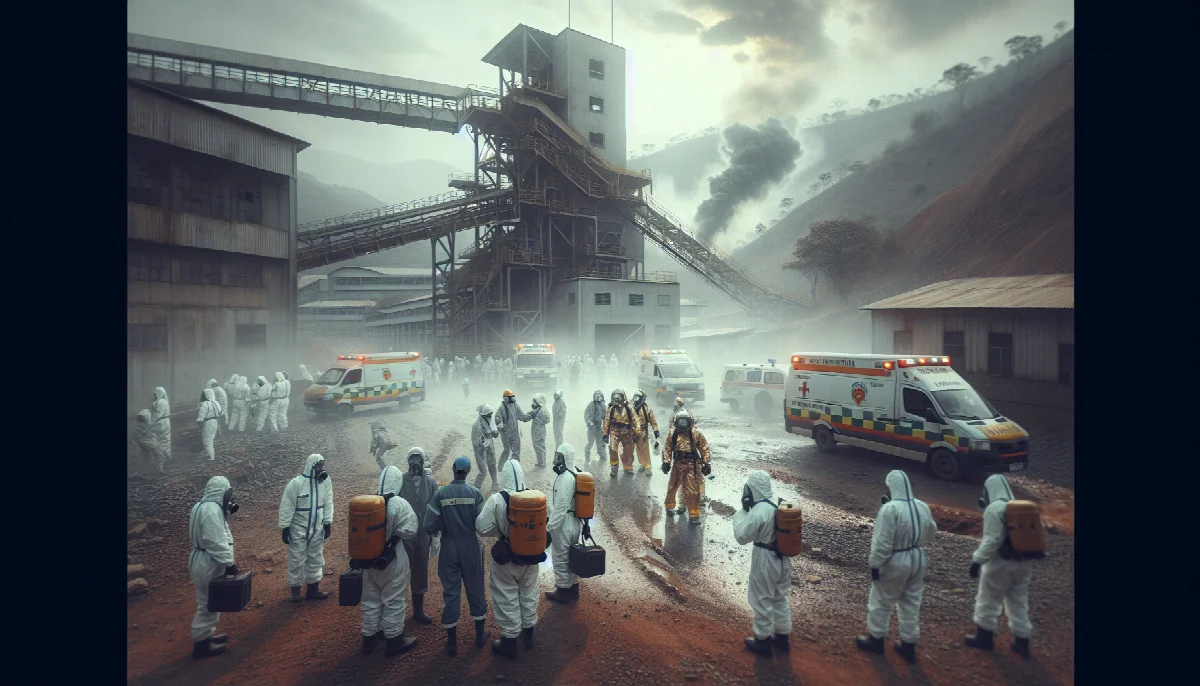
Nigeria's Ministry of Solid Minerals Development has ordered the immediate closure of a mining site in Zuraq, Wase Local Government Area of Plateau State, after at least 37 miners died from toxic gas exposure at an abandoned lead mining pit. Minister Dr. Dele Alake deployed forensic investigators to the Kampani community site following the incident, which also left 25 miners hospitalized.
The fatalities occurred when miners entered an abandoned lead extraction site where stored mineral deposits emitted hazardous gases. According to preliminary findings reported by Channels Television, the abandoned site contained lead ore prone to emissions of sulphuric oxide, though Business Day identified carbon monoxide as the lethal agent in the confined pit environment. The discrepancy highlights the complexity of gas hazards at abandoned mining sites, where multiple toxic compounds can accumulate in poorly ventilated underground spaces.
Regulatory Response and Investigation Protocol
The federal government's rapid response reflects growing concerns about artisanal and small-scale mining (ASM) safety standards in Nigeria's expanding minerals sector. Dr. Alake's deployment of forensic investigators signals an escalation in regulatory oversight, particularly for sites operating without current licenses or proper ventilation systems. The Nation Newspaper confirmed that the ministry ordered site closure pending completion of the investigation, effectively halting all mining activities in the immediate area.
Lead mining operations present specific occupational health risks beyond conventional mining hazards. Sulphuric oxide (SO₂) forms when lead sulphide ores oxidize upon exposure to air and moisture, creating respiratory irritants at concentrations above 5 parts per million. In confined spaces without mechanical ventilation, SO₂ concentrations can reach lethal levels within minutes. Carbon monoxide accumulation, particularly in abandoned workings where organic materials decompose, compounds these risks by displacing oxygen and impairing miners' ability to recognize danger before incapacitation.
Abandoned Mine Hazards in Nigeria's Mining Belt
The Wase incident underscores systemic challenges in Nigeria's mining sector, where hundreds of abandoned colonial-era and post-independence mining sites lack proper decommissioning or hazard mitigation. Plateau State's Jos Plateau contains extensive historical tin and lead mining infrastructure, much of it abandoned since the 1980s decline in global tin prices. These legacy sites attract informal miners seeking residual ore deposits, often without gas detection equipment or emergency response protocols.
According to Business Day's reporting, the 37 fatalities represent one of Nigeria's deadliest single mining incidents in recent years, exceeding typical accident tolls from pit collapses or equipment failures. The hospitalization of 25 additional miners suggests exposure levels varied within the working area, likely due to gas concentration gradients in the pit's ventilation-poor environment. Medical treatment for sulphuric oxide and carbon monoxide exposure typically requires oxygen therapy and monitoring for delayed pulmonary complications.
Industry Safety Standards and Enforcement Gaps
Nigeria's Mining and Minerals Act requires licensed operators to maintain gas monitoring systems and implement confined space entry procedures, but enforcement remains inconsistent in the ASM sector. The Wase site's classification as "abandoned" raises questions about land tenure, mineral rights status, and whether miners held valid small-scale licenses. The Ministry's forensic investigation will likely examine these regulatory gaps alongside technical factors contributing to the gas accumulation.
The incident occurs as Nigeria pursues diversification of its minerals sector under the Economic Recovery and Growth Plan, targeting increased production of lead, zinc, and other base metals. However, safety infrastructure development has lagged behind licensing expansion, particularly in remote mining communities where regulatory presence remains limited. The Ministry of Solid Minerals Development has not yet announced whether the investigation will trigger broader safety audits of abandoned mining sites across Nigeria's mining belt states.
Forensic investigators will likely focus on gas concentration measurements, ventilation system adequacy, and compliance with confined space entry protocols. Results from the investigation may inform revised safety standards for operations near abandoned workings, potentially including mandatory gas detection equipment and emergency response plans for ASM license holders operating in historically mined areas.