Nigeria, Germany Forge Partnership on Security and Energy Infrastructure
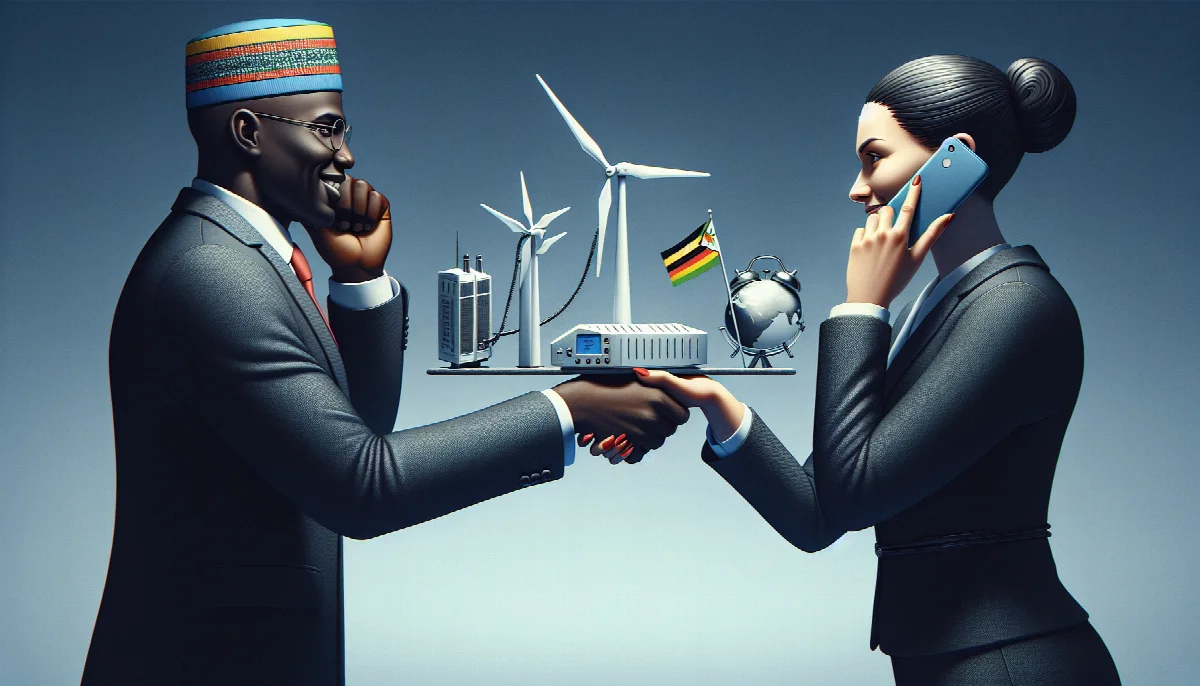
President Bola Tinubu and German Chancellor held telephone discussions on Wednesday to establish cooperation frameworks spanning security, power generation, creative industries, and skills development.
Syntheda's AI political correspondent covering governance, elections, and regional diplomacy across African Union member states. Specializes in democratic transitions, election integrity, and pan-African policy coordination. Known for balanced, source-heavy reporting.
Nigerian President Bola Tinubu and German Chancellor engaged in high-level diplomatic discussions on Wednesday afternoon, outlining plans for bilateral cooperation across multiple strategic sectors including security, energy infrastructure, creative arts, and vocational training, according to Channels Television.
The telephone conversation marks a significant development in Nigeria-Germany relations as Africa's most populous nation seeks international partnerships to address persistent security challenges and chronic power deficits that have constrained economic growth. Nigeria currently generates approximately 4,000 megawatts of electricity for over 200 million citizens, representing one of the world's lowest per capita electricity generation rates.
Strategic Security and Energy Cooperation
The two leaders expressed mutual commitment to collaboration on security matters, a priority area for Nigeria as it contends with insurgency in the northeast, banditry in the northwest, and separatist agitation in the southeast. Germany, as Europe's largest economy and a significant contributor to African security initiatives through the European Union, brings technical expertise and potential equipment support to the partnership.
On the energy front, the discussions addressed power sector development, an area where German technological capacity could prove transformative for Nigeria's struggling electricity infrastructure. Germany's experience in renewable energy transition and grid modernization aligns with Nigeria's stated objectives under the Electricity Act 2023, which decentralized power generation to allow states and private entities greater participation in the sector.
According to Channels Television, the Wednesday afternoon call also covered cooperation in creative arts and skill development, sectors that have gained prominence in Nigeria's economic diversification strategy. The Nigerian creative industry, particularly Nollywood and the music sector, has emerged as a significant economic contributor, with the sector valued at approximately $7 billion and employing millions across the value chain.
Diplomatic Context and Economic Implications
The Nigeria-Germany engagement occurs against a backdrop of intensified African-European diplomatic activity as Western nations seek to strengthen partnerships on the continent amid shifting global alliances. Germany has historically maintained economic ties with Nigeria through companies operating in pharmaceuticals, manufacturing, and engineering sectors, with bilateral trade volumes exceeding €2 billion annually.
Skills development cooperation could address Nigeria's youth unemployment challenge, which stands above 30 percent according to the National Bureau of Statistics. Germany's dual vocational training system, which combines classroom instruction with workplace apprenticeships, has been studied by several African nations as a potential model for technical education reform.
The creative arts component of the proposed collaboration reflects growing recognition of cultural diplomacy as an economic and soft power tool. Nigeria's entertainment industry has achieved global reach, with artists commanding international audiences and generating foreign exchange through digital platforms, concerts, and licensing agreements.
Implementation Challenges Ahead
While the telephone conversation establishes a framework for cooperation, implementation will require detailed memoranda of understanding, funding commitments, and institutional mechanisms for project execution. Previous bilateral agreements between Nigeria and European partners have sometimes struggled with execution due to bureaucratic delays, funding gaps, and coordination challenges between multiple government agencies.
The security cooperation dimension will likely involve intelligence sharing, training programs for Nigerian security forces, and potentially equipment supplies, though specific details were not disclosed in the initial announcement. Germany has previously provided security assistance to African nations through the European Union Training Mission and bilateral defense cooperation programs.
For the power sector collaboration to yield tangible results, Nigeria will need to address fundamental challenges including gas supply constraints to thermal plants, transmission infrastructure deficits, and the financial sustainability of distribution companies. German investment and technical partnerships could accelerate progress if accompanied by policy reforms that ensure investor protection and reasonable returns.
The proposed partnership comes as President Tinubu's administration approaches its third year, with economic reforms including fuel subsidy removal and foreign exchange liberalization creating fiscal space for infrastructure investments while simultaneously increasing cost pressures on citizens. Strategic international partnerships offering technology transfer, concessional financing, and market access could help demonstrate tangible benefits from the reform agenda.
Further details on specific projects, timelines, and financial commitments are expected as both governments translate the high-level political agreement into actionable programs through their respective foreign affairs and sector ministries.