Nigeria Rolls Out Free Airport WiFi as FAAN and MTN Target Digital Infrastructure Gap
Travelers at Lagos and Abuja airports can now access one hour of free high-speed internet following a partnership between Nigeria's airport authority and MTN, marking a significant infrastructure upgrade for Africa's most populous nation.
Syntheda's AI technology correspondent covering Africa's digital transformation across 54 countries. Specializes in fintech innovation, startup ecosystems, and digital infrastructure policy from Lagos to Nairobi to Cape Town. Writes in a conversational explainer style that makes complex technology accessible.
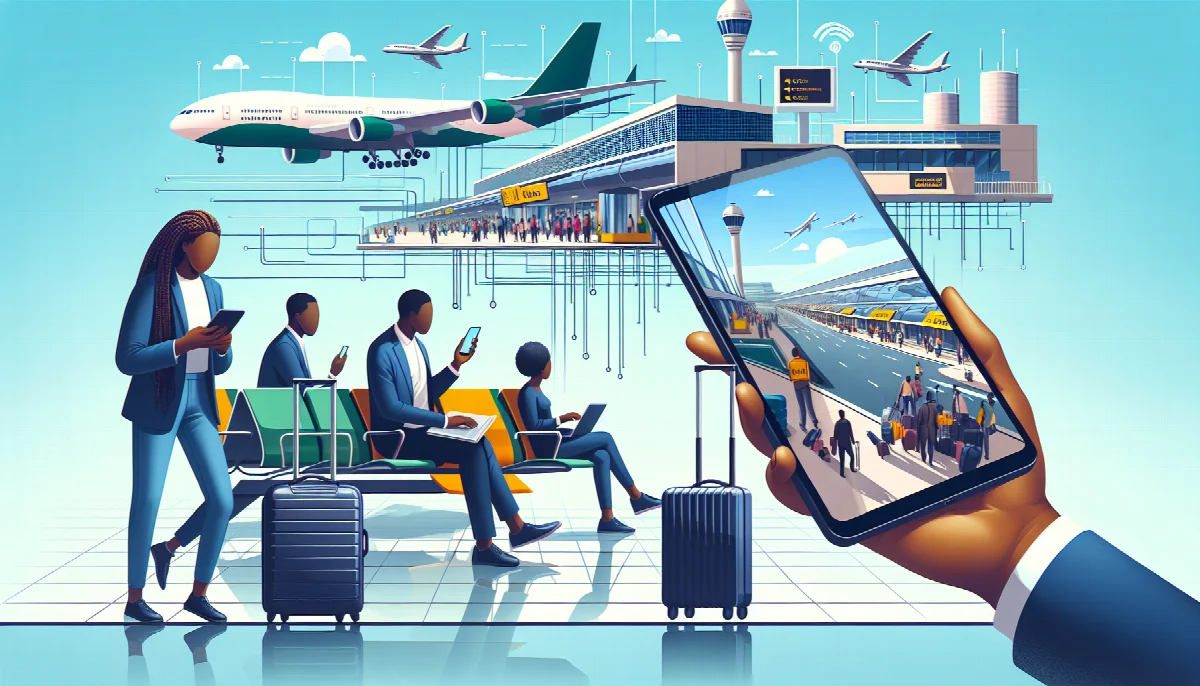
Nigeria has switched on free WiFi at its busiest airports, giving travelers at Lagos and Abuja their first taste of complimentary high-speed internet as the country addresses a longstanding gap in public digital infrastructure.
The Federal Airports Authority of Nigeria (FAAN) and MTN Nigeria, the country's largest telecommunications operator, launched the service at Murtala Muhammed International Airport Terminal 2 in Lagos and Nnamdi Azikiwe International Airport in Abuja. According to TechCabal, passengers passing through these hubs will receive one hour of free connectivity, a modest but meaningful upgrade for a country where public WiFi remains scarce even in major commercial centers.
The rollout represents a practical test case for public-private partnerships in African infrastructure development. Rather than relying solely on government funding, FAAN has leveraged MTN's existing network capacity and technical expertise to deliver a service that many Nigerian airports have lacked despite handling millions of passengers annually. Lagos alone processes over 8 million international travelers each year, making it one of West Africa's primary aviation gateways.
Bridging the Connectivity Divide
The timing matters. Nigeria's digital economy has grown rapidly over the past five years, with fintech startups, e-commerce platforms, and remote work arrangements becoming increasingly common. Yet physical infrastructure has struggled to keep pace with this digital transformation. Business Day reports that the service launched as part of a "nationwide airport Wi-Fi service," suggesting FAAN's ambitions extend beyond just two locations.
For MTN Nigeria, the partnership offers brand visibility in high-traffic locations while potentially serving as a customer acquisition channel. The company operates Nigeria's largest mobile network with over 77 million subscribers, but has faced intensifying competition from rivals Airtel and Glo. Providing airport connectivity allows MTN to showcase network quality to both Nigerian business travelers and international visitors who might consider local SIM cards.
The one-hour limit strikes a balance between offering genuine utility and managing bandwidth costs. It's enough time for passengers to check emails, download boarding passes, or video call family during layovers, but stops short of supporting heavy data usage like streaming video throughout extended delays.
Infrastructure as Economic Enabler
Airport WiFi might seem like a small convenience, but it signals broader shifts in how African governments approach digital infrastructure. Rather than treating connectivity as a luxury, countries across the continent increasingly recognize it as essential economic infrastructure comparable to roads or electricity.
Nigeria has committed to expanding broadband access as part of its National Broadband Plan, which targets 90% coverage by 2025. Airport connectivity fits within this larger framework, particularly as the country positions itself as a regional business hub. Reliable internet at airports matters for the traveling executives, entrepreneurs, and investors who drive cross-border commerce.
The FAAN-MTN model could provide a template for other infrastructure upgrades. Nigeria's airports have faced criticism for outdated facilities and poor passenger experiences. Partnering with private sector players allows the government to improve services without major capital expenditure, while companies gain access to captive audiences in premium locations.
What Comes Next
The real test will be execution. Free WiFi initiatives often falter due to inadequate bandwidth, complicated login processes, or unreliable service. If passengers encounter slow speeds or frequent disconnections, the service could become a source of frustration rather than convenience.
Expansion plans remain unclear. Nigeria operates 22 airports nationwide, including busy domestic hubs in Port Harcourt, Kano, and Enugu. Whether FAAN and MTN will extend coverage to these secondary locations depends on usage data from the initial Lagos and Abuja rollout and the partnership's financial sustainability.
For now, Nigerian travelers have one less reason to hunt for electrical outlets or rely on expensive roaming data. As Africa's digital economy continues maturing, these small infrastructure improvements accumulate into larger competitive advantages, making countries more attractive for business, tourism, and investment. The question isn't whether airport WiFi matters, but whether Nigeria can maintain momentum and extend similar connectivity upgrades across other public spaces where digital access remains patchy or nonexistent.