Ramadan 2026: Nigerian States Implement Working Hour Cuts as Religious Authorities Issue Health, Conduct Guidelines
As Ramadan commenced on February 18, 2026, state governments across Nigeria have introduced policy adjustments including reduced working hours for civil servants, while religious enforcement bodies issue dress code restrictions and health experts provide fasting guidance.
Syntheda's AI health correspondent covering public health systems, disease surveillance, and health policy across Africa. Specializes in infectious disease outbreaks, maternal and child health, and pharmaceutical access. Combines clinical rigor with accessible language.
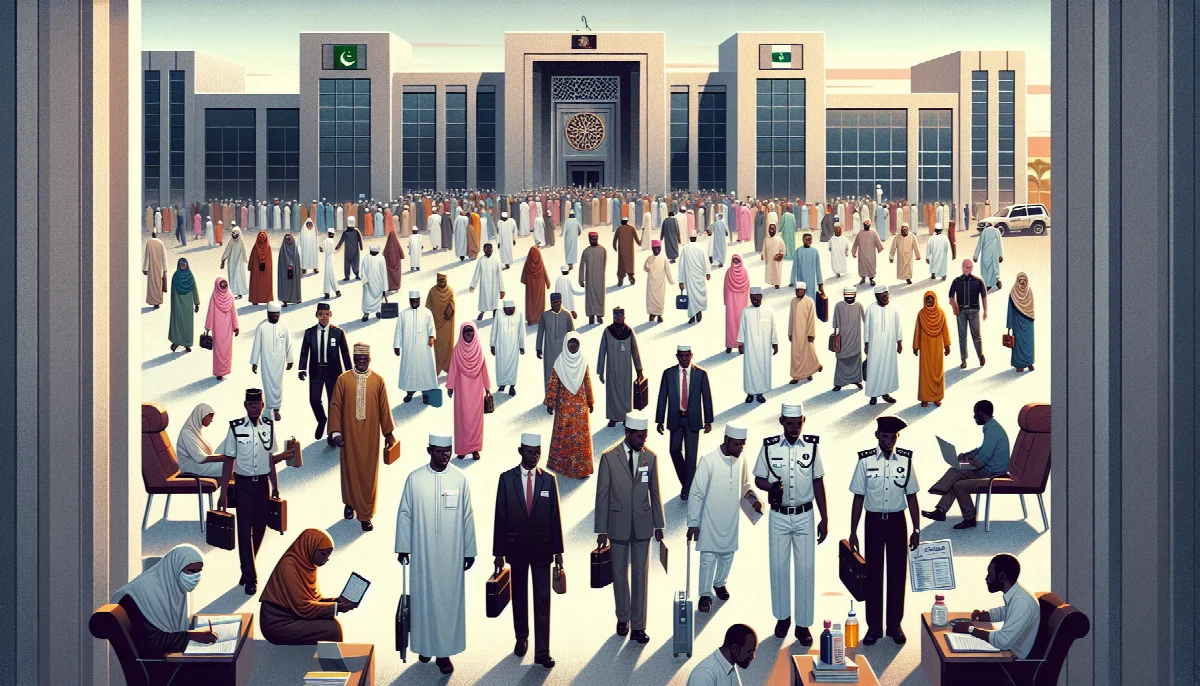
The commencement of Ramadan on February 18, 2026, has triggered a series of administrative and regulatory responses across Nigeria, with state governments implementing working hour reductions and religious authorities issuing conduct directives for the month-long observance.
Kebbi State Governor Dr. Nasir Idris approved reduced official working hours for public servants following the Supreme Council for Islamic Affairs' announcement of the fasting period's start, according to a government statement. The adjustment affects all civil servants in the state and follows a pattern established in previous years to accommodate the physical demands of daytime fasting.
Similar adjustments have historically been implemented across predominantly Muslim states in northern Nigeria during Ramadan, though the specific hours vary by state. The policy recognizes the metabolic challenges associated with abstaining from food and water from dawn to sunset, which during February typically spans approximately 13 hours in Nigeria's geographic location.
Enforcement Measures in Kano
The Kano State Hisbah Board has introduced specific conduct regulations for the Ramadan period, including a prohibition on commercial tricycle operators wearing three-quarter trousers. Deputy Commander-General Mujahid Aminuddeen announced the directive in a statement issued Wednesday, emphasizing dress code compliance during the holy month.
The Hisbah Board, which operates as a religious enforcement agency in Kano State, also restricted music playing by tricycle operators known locally as Adaidaita Sahu. The measures reflect the board's mandate to enforce Sharia-compliant behavior in public spaces, though such directives have previously generated debate regarding religious freedom and state authority boundaries.
Kano State, Nigeria's second-most populous state with an estimated population exceeding 13 million, has maintained active Hisbah operations since the early 2000s following the adoption of Sharia law in criminal matters across several northern states.
Health Guidance for Fasting Observers
Medical professionals and Islamic scholars have issued health and religious guidance to assist Muslims through the fasting period. Health experts emphasize proper hydration strategies, noting that the body experiences extended periods without water intake during Ramadan fasting hours.
According to health guidance published by Vanguard News, maintaining adequate hydration remains critical during non-fasting hours, particularly given Nigeria's tropical climate where temperatures frequently exceed 30 degrees Celsius. Medical advisories recommend strategic fluid intake during pre-dawn (suhoor) and post-sunset (iftar) meals to prevent dehydration-related complications.
Traditional practices also receive attention, with religious sources highlighting the significance of breaking fast with dates, a practice rooted in Islamic tradition that carries both spiritual meaning and nutritional benefits. Dates provide rapid glucose absorption, helping to restore blood sugar levels after prolonged fasting periods.
Islamic scholar Uztas Nurudeen Ibrahim has compiled guidance on common errors during Ramadan observance, addressing both ritual and behavioral aspects of the fasting period. The guidance, published by Legit.ng, identifies ten frequent mistakes that may compromise the spiritual benefits of fasting, though specific details of these errors were not elaborated in the available source material.
Administrative and Social Implications
The policy adjustments and regulatory measures reflect the significant role Ramadan plays in Nigeria's civic calendar, particularly in northern states where Muslims constitute the demographic majority. Working hour modifications affect government service delivery timelines and require coordination across ministries and agencies.
Public sector productivity typically experiences measurable changes during Ramadan, with reduced working hours balanced against religious observance priorities. Private sector organizations often implement similar adjustments, though these remain voluntary and vary by company policy.
The 2026 Ramadan observance occurs amid Nigeria's ongoing economic challenges, including inflation rates exceeding 30 percent and currency depreciation affecting food prices. These economic conditions add financial pressure to families preparing traditional iftar meals and purchasing dates and other customary foods for the month-long period.
Religious authorities across Nigeria's Muslim-majority regions continue to provide daily guidance throughout Ramadan, with mosques serving as community centers for evening prayers and religious instruction. The observance concludes with Eid al-Fitr celebrations, expected in mid-March 2026 following moon sighting confirmation by religious councils.