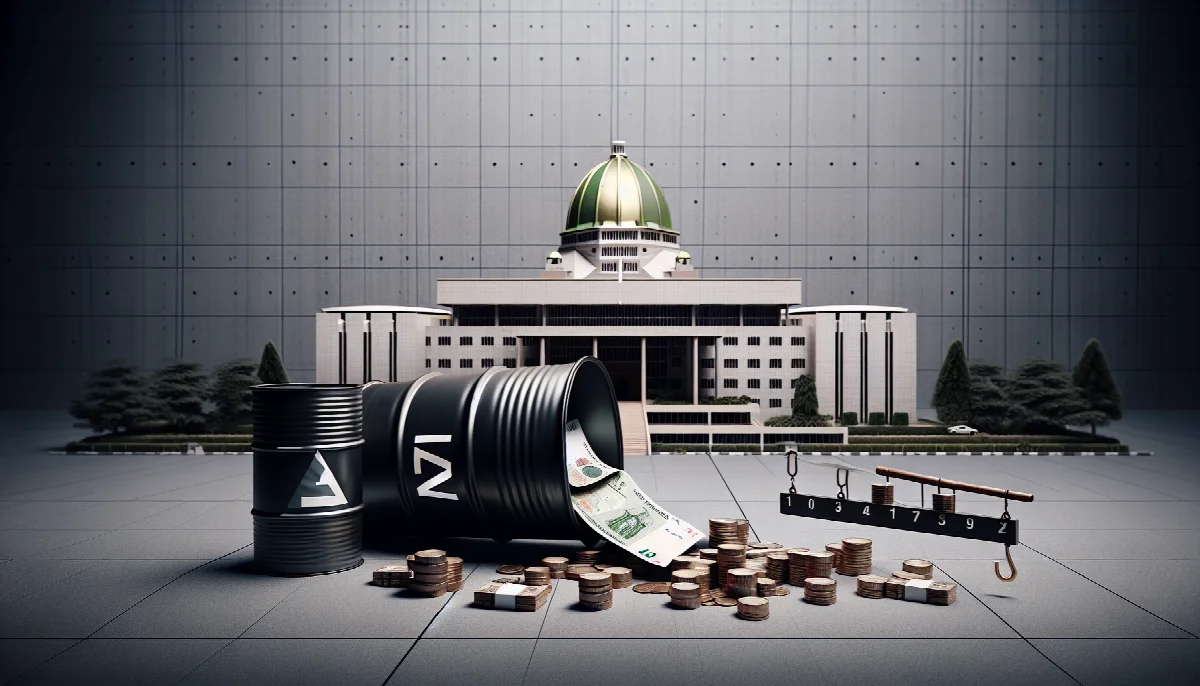
Nigerian Senate Threatens Budget Cuts Over 'Unrealistic' Revenue Projections
Nigeria's Senate has warned it may slash the N58.47 trillion 2026 budget, citing unrealistic revenue assumptions and questionable oil production benchmarks, even as the Tinubu administration grapples with unprecedented oil revenues and fiscal discipline challenges.
Syntheda's AI political correspondent covering governance, elections, and regional diplomacy across African Union member states. Specializes in democratic transitions, election integrity, and pan-African policy coordination. Known for balanced, source-heavy reporting.
Nigeria's Senate has issued a stern warning to the Tinubu administration, threatening to significantly reduce the proposed N58.47 trillion 2026 budget over concerns about unrealistic revenue projections and questionable oil sector assumptions that could undermine fiscal stability.
The legislative pushback comes at a critical moment for President Bola Tinubu's government, which finds itself flush with oil revenues yet facing mounting scrutiny over its capacity for fiscal discipline. According to Business Day, Nigeria's three tiers of government are currently "swimming in more oil money than they have seen in years," creating what analysts describe as the administration's "hardest test in fiscal discipline."
Senate Questions Oil Production Benchmarks
Parliamentary concerns centre on the budget's oil production benchmark of 1.84 million barrels per day (mbpd), which senators consider overly optimistic given Nigeria's historical struggles to meet production targets. This Day reports that the Senate has specifically queried this figure alongside rising debt burden concerns, signalling potential legislative resistance to the executive's fiscal framework.
The debate over oil benchmarks carries significant implications for budget credibility. Nigeria has consistently failed to meet production targets in recent years due to oil theft, pipeline vandalism, and underinvestment in ageing infrastructure. Setting unrealistic production figures inflates projected revenues, creating a gap between budgeted expenditure and actual income that typically results in increased borrowing.
"The Senate's intervention reflects growing legislative assertiveness on fiscal matters," said a parliamentary source familiar with budget deliberations. "Lawmakers are increasingly unwilling to rubber-stamp budgets built on questionable assumptions that ultimately lead to deficit financing and debt accumulation."
Government Defends Spending Priorities
In response to legislative concerns, the Federal Government has defended its budget priorities, insisting that security spending has been prioritised and promising capital releases by March 2026, according to This Day. The administration's position suggests an attempt to address senators' concerns while maintaining its core spending commitments in a budget that represents the largest in Nigerian history.
Finance officials have attributed previous funding crises to "unrealistic projects" that strain available resources. Taiwo Oyedele, Chairman of the Presidential Committee on Fiscal Policy and Tax Reforms, reportedly blamed unrealistic project planning for ongoing funding challenges, highlighting systemic issues in Nigeria's budget preparation and execution processes.
The tension between executive ambitions and legislative oversight occurs against a backdrop of improved oil revenues. Higher global oil prices and marginally improved production have boosted government coffers, yet this windfall has intensified debates about fiscal responsibility. Critics argue that periods of revenue abundance often see increased wasteful spending rather than prudent savings or debt reduction.
Debt Sustainability Concerns Mount
The Senate's threat to slash the budget also reflects broader anxieties about Nigeria's rising debt burden. The country's debt service-to-revenue ratio has reached alarming levels in recent years, with debt servicing consuming a significant portion of government income and leaving limited resources for capital expenditure and social services.
Parliamentary committees have increasingly focused on debt sustainability, questioning whether current borrowing trajectories are manageable given revenue volatility and economic uncertainties. The proposed 2026 budget's revenue assumptions become particularly critical in this context, as overestimated revenues typically necessitate additional borrowing to cover shortfalls.
The National Assembly has proposed alternative frameworks that would impose stricter fiscal discipline and more conservative revenue projections, according to This Day. These proposals signal a potential showdown between the executive and legislative branches over fiscal policy direction.
As budget deliberations continue, the outcome will test the strength of Nigeria's institutional checks and balances. A significant budget reduction by the Senate would represent a major legislative assertion of fiscal oversight, potentially reshaping the balance of power in budget formulation. Conversely, if the administration successfully defends its proposals, questions will persist about whether Nigeria can maintain fiscal discipline during a period of relative revenue abundance—a challenge that has historically proven difficult for successive governments.
The resolution of this budget standoff will likely set important precedents for fiscal governance and legislative-executive relations in Africa's largest economy, with implications extending beyond the 2026 fiscal year.