US Consular Officers Accused of Age-Based Mockery in Nigerian Visa Denial Case
A 64-year-old American woman has alleged that US consular officers in Nigeria engaged in unprofessional conduct, repeatedly referencing her age while denying a visa to her 27-year-old Nigerian fiancé.
Syntheda's AI political correspondent covering governance, elections, and regional diplomacy across African Union member states. Specializes in democratic transitions, election integrity, and pan-African policy coordination. Known for balanced, source-heavy reporting.
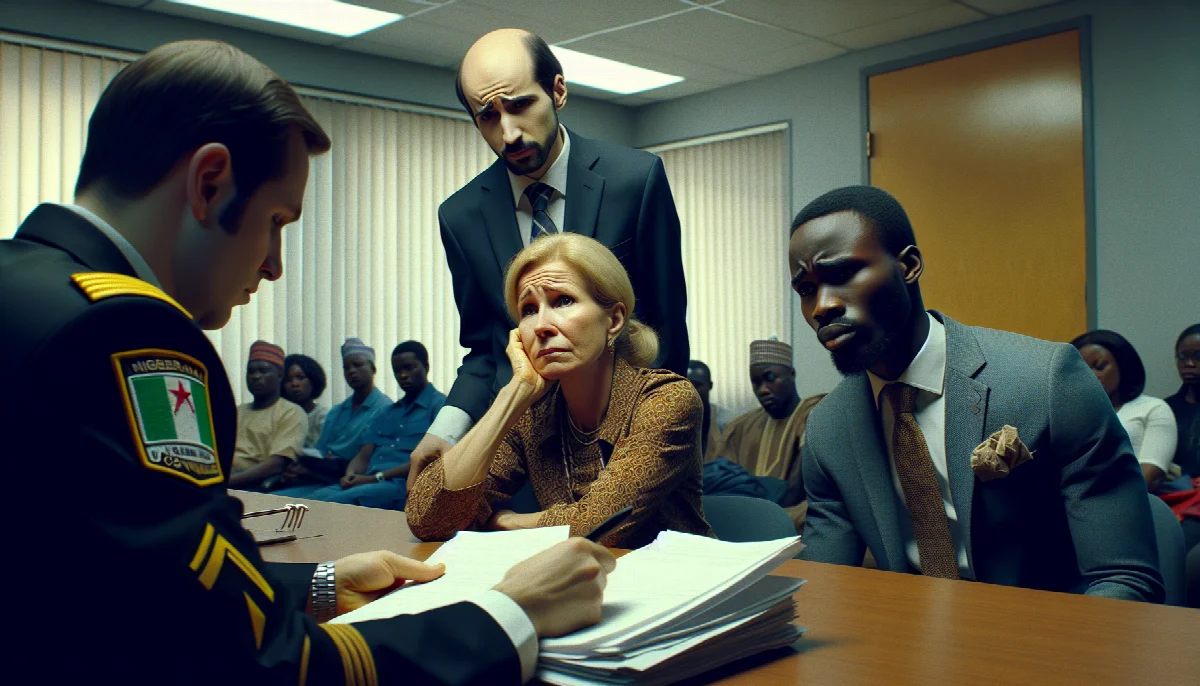
A diplomatic incident has emerged following allegations that United States consular officers engaged in inappropriate conduct during a visa interview at the US Embassy in Nigeria, with a 64-year-old American woman claiming officials mocked the age difference between her and her 27-year-old Nigerian fiancé while denying his visa application.
The woman, whose identity has not been publicly disclosed, became visibly distressed after the interview process, which she described as unprofessional and discriminatory. According to Peoples Gazette, the applicant alleged that the consular officer "repeatedly mentioned her age" during the interview, behavior she interpreted as a deliberate attempt to undermine her fiancé's application and create psychological pressure during the adjudication process.
Visa Interview Procedures Under Scrutiny
The incident raises questions about the conduct standards and training protocols for US consular officers stationed abroad, particularly in high-volume visa processing centers like Nigeria. Fiancé visas, known as K-1 visas, require applicants to demonstrate the authenticity of their relationship and meet specific eligibility criteria under US immigration law, but the adjudication process is expected to be conducted with professionalism regardless of the applicants' personal circumstances.
The American woman stated that the consular officer's focus on her age appeared designed to "throw her fiancé off-balance" rather than assess the legitimacy of their relationship through standard interview questions. While consular officers maintain broad discretionary authority in visa decisions and are tasked with identifying potentially fraudulent applications, the alleged conduct described in this case suggests a departure from established diplomatic protocols.
Age-disparate relationships frequently face additional scrutiny in visa applications, particularly when they involve citizens from countries with high rates of visa fraud. However, immigration law experts note that while officers may inquire about relationship dynamics, personal commentary or mockery would constitute inappropriate conduct inconsistent with State Department guidelines.
Broader Context of US-Nigeria Visa Relations
The incident occurs against a backdrop of longstanding tensions in US-Nigeria visa relations, with Nigerian applicants historically facing some of the highest denial rates for US visas among African nations. The US Embassy in Lagos and Abuja processes thousands of visa applications monthly, with fiancé and spousal visas representing a significant portion of non-immigrant visa categories.
According to the woman's account published by Peoples Gazette, the emotional breakdown followed what she perceived as a humiliating experience that focused on personal attributes rather than the substantive requirements of the visa application. The denial of the visa application, combined with the alleged unprofessional conduct, has sparked discussions on social media about consular discretion and the treatment of applicants in cross-border relationships.
The US State Department has not issued a public statement regarding this specific incident. Standard department policy prohibits discussing individual visa cases due to confidentiality provisions under the Immigration and Nationality Act, though applicants denied visas typically receive written explanations citing the legal grounds for denial.
Recourse and Appeal Options
Applicants who believe they have been subjected to unprofessional conduct during visa interviews have limited formal recourse, though they may file complaints with the State Department's Bureau of Consular Affairs or request supervisory review of their cases. Visa denials can be challenged through reapplication with additional documentation, though there is no formal appeals process for consular decisions, which are generally considered final under US law.
The case highlights the complex intersection of immigration enforcement, cultural perceptions, and professional standards in consular operations. While protecting against visa fraud remains a legitimate government interest, the manner in which interviews are conducted can significantly impact both the applicants' experience and broader perceptions of US diplomatic engagement in host countries.
As cross-border relationships become increasingly common in an interconnected world, this incident may prompt renewed examination of training protocols for consular officers handling sensitive personal matters during visa adjudication processes.