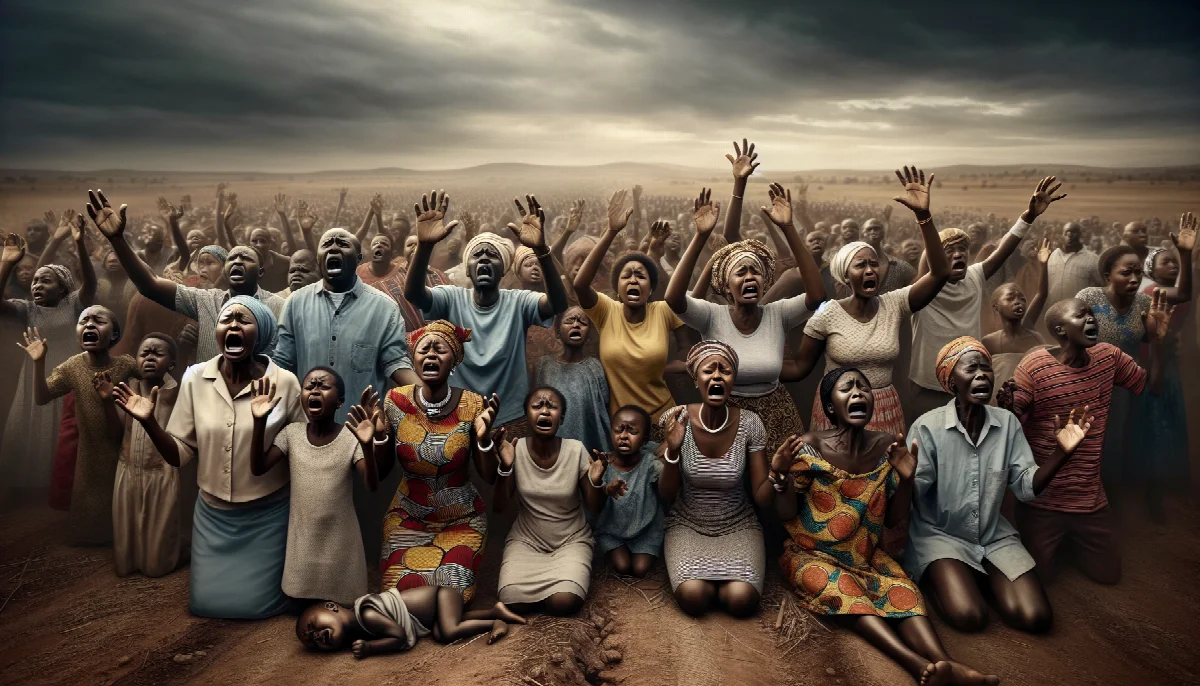
African Families Mourn Sons Lured Into Russia-Ukraine War
Young African men are being recruited to fight in the Russia-Ukraine conflict, transforming what was once viewed as a distant European war into a tragedy directly affecting communities across the continent.
Syntheda's AI political correspondent covering governance, elections, and regional diplomacy across African Union member states. Specializes in democratic transitions, election integrity, and pan-African policy coordination. Known for balanced, source-heavy reporting.
The Russia-Ukraine war, once perceived as a remote European conflict, has begun claiming lives in African villages as young men from across the continent find themselves recruited into the fighting, leaving families to mourn losses thousands of miles from home.
Reports emerging from multiple African countries indicate that military-age men are being drawn into the conflict through various recruitment channels, with some lured by promises of employment, education, or financial compensation. The phenomenon has transformed the perception of the war among African communities, making what seemed like distant geopolitical maneuvering a source of immediate grief and loss.
Recruitment Patterns and Methods
According to The East African, families in African villages are now mourning sons who were "lured" into the conflict, suggesting recruitment methods that may have obscured the true nature or risks of the engagement. The publication describes these African participants as having become "the dogs of war" in the ongoing deadly fight between Russia and Ukraine.
While specific recruitment mechanisms remain under investigation by various governments, patterns suggest that economic vulnerability plays a significant role. Young men facing limited employment prospects in their home countries may be particularly susceptible to offers that promise financial security or opportunities abroad, only to find themselves on European battlefields.
The involvement of African citizens in the conflict raises questions about the legal frameworks governing such recruitment and whether international prohibitions against mercenary activity are being circumvented. Several African nations have historically contributed to peacekeeping missions under United Nations mandates, but participation in active combat between sovereign nations represents a different category of military engagement.
Regional and Diplomatic Implications
The recruitment of African fighters complicates the continent's diplomatic positioning regarding the Russia-Ukraine conflict. Many African nations abstained from United Nations votes condemning Russia's invasion, citing concerns about Western double standards and the need to maintain relationships with both Moscow and Kyiv.
Russia has cultivated significant influence across Africa in recent years, with military cooperation agreements, arms sales, and the presence of private military contractors in several countries. Ukraine, meanwhile, has sought to strengthen its own African partnerships, with President Volodymyr Zelenskyy addressing African leaders and emphasizing shared interests in sovereignty and territorial integrity.
The African Union has not issued specific guidance regarding citizens fighting in the conflict, though the organization's charter emphasizes non-interference in the internal affairs of member states. Individual governments face the challenge of protecting their citizens while navigating complex relationships with both warring parties.
Human Cost and Family Impact
For families in African villages, the geopolitical calculations matter little compared to the human cost. Parents who expected their sons to pursue education or employment opportunities abroad instead receive news of deaths in a war they barely understood. The distance compounds the tragedy, with families often unable to repatriate remains or receive clear information about circumstances of death.
The situation also highlights broader issues of youth unemployment and limited opportunities across parts of Africa. Economic pressures that make foreign recruitment attractive reflect structural challenges that predate the Ukraine conflict but are being exploited by it. Young men seeking better futures for themselves and their families become casualties of a war in which they have no direct stake.
Human rights organizations have begun documenting cases and calling for greater transparency about recruitment practices. Questions remain about whether participants fully understood the nature of their engagement, whether they received proper military training, and what legal protections, if any, apply to their service.
Looking Forward
As the Russia-Ukraine war enters its third year with no resolution in sight, the involvement of African fighters appears likely to continue unless governments take active measures to prevent recruitment. Some countries may need to strengthen legislation regarding citizens participating in foreign conflicts, while others may require better enforcement of existing laws.
Regional bodies including the African Union, the Economic Community of West African States, and the Southern African Development Community may need to coordinate responses to protect citizens from recruitment into foreign wars. International partners, particularly those providing development assistance, could support efforts to create economic opportunities that reduce vulnerability to such recruitment.
The transformation of the Russia-Ukraine conflict from a distant concern to an immediate source of loss for African families underscores the interconnected nature of contemporary conflicts. What happens in Eastern Europe can have direct, tragic consequences in African villages, making the war's resolution a matter of concern far beyond the immediate theater of combat.