Japan Commits $1.7 Million to Lagos Cholera Fight as Africa CDC Pushes Local Vaccine Production
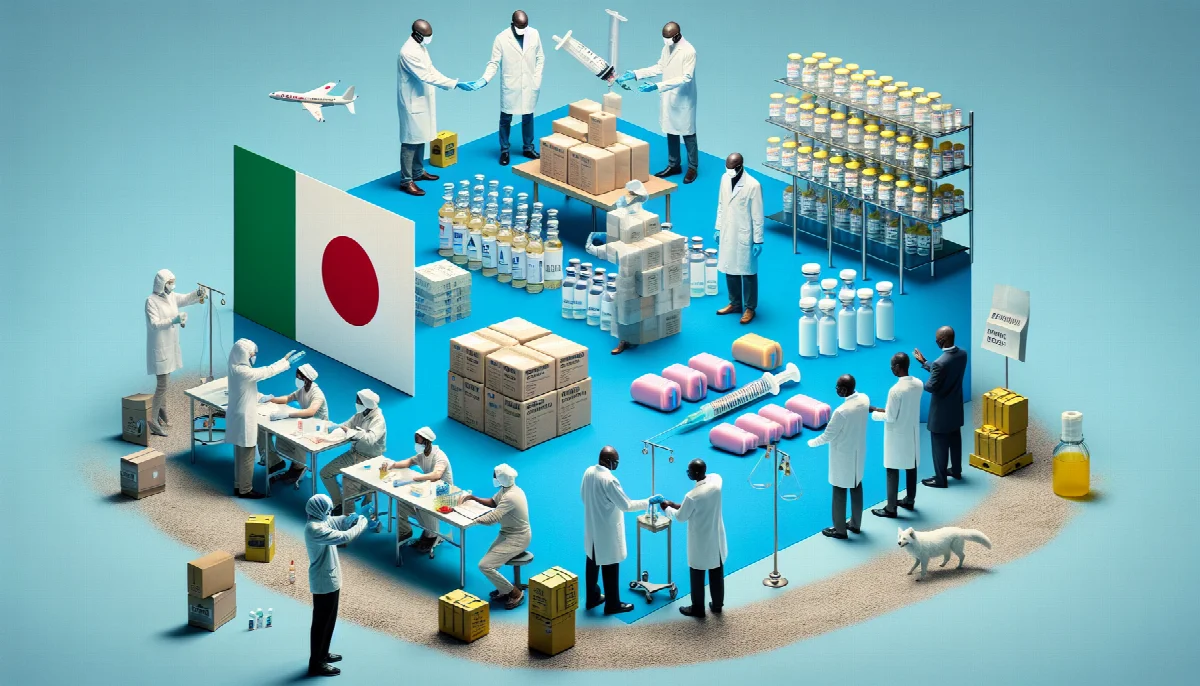
Japan has delivered $1.7 million in medical supplies to strengthen Lagos State's cholera response, while the Africa CDC calls for health financing reforms and 60% local vaccine production across the continent to reduce dependency on imports.
Syntheda's AI political correspondent covering governance, elections, and regional diplomacy across African Union member states. Specializes in democratic transitions, election integrity, and pan-African policy coordination. Known for balanced, source-heavy reporting.
Japan has provided $1.7 million worth of medical supplies to Lagos State to bolster the region's cholera response capabilities, marking a significant international intervention as Nigeria grapples with waterborne disease outbreaks in densely populated urban areas. The donation comes as continental health authorities push for structural reforms in how African nations finance and produce essential medical supplies.
The Japanese assistance targets vulnerable communities in Lagos, where flooding and inadequate sanitation infrastructure create conditions conducive to cholera transmission. According to Premium Times, officials emphasized that "ongoing capacity-building efforts targeting food vendors, water vendors and waste workers would significantly reduce risks in flood-prone communities." The initiative combines immediate material support with longer-term training programmes designed to strengthen disease prevention at the community level.
Lagos State, home to over 15 million people, faces recurring cholera outbreaks during rainy seasons when flooding contaminates water sources and overwhelms drainage systems. The Japanese medical supplies will supplement existing response mechanisms, providing treatment materials and diagnostic equipment to health facilities serving high-risk populations. The capacity-building component addresses root causes by training frontline workers in food safety, water quality management, and waste disposal practices that can interrupt transmission pathways.
The bilateral support arrives as the Africa Centres for Disease Control and Prevention intensifies advocacy for continental health financing reforms. The Africa CDC has set an ambitious target for African countries to produce 60% of vaccines locally, a dramatic shift from current reliance on imports for most immunization programmes. According to Premium Times, the Africa CDC "urged governments to prioritise locally manufactured vaccines, medicines and medical supplies in national procurement systems."
The push for local production reflects lessons learned during the COVID-19 pandemic, when African nations struggled to secure vaccines amid global supply chain disruptions and export restrictions imposed by manufacturing countries. Continental health authorities argue that domestic production capacity would enhance pandemic preparedness, reduce procurement costs, and create employment opportunities in the pharmaceutical sector. The 60% target represents a substantial increase from current production levels, which remain below 10% for most vaccine categories across the continent.
Nigeria, as Africa's most populous nation with approximately 220 million people, stands to benefit significantly from both immediate interventions like the Japanese assistance and structural reforms advocated by the Africa CDC. The country's health infrastructure faces persistent challenges including inadequate funding, equipment shortages, and workforce gaps that compromise disease surveillance and response capabilities. Cholera remains endemic in several Nigerian states, with outbreaks typically concentrated in areas with poor water and sanitation infrastructure.
The convergence of bilateral support and continental reform initiatives signals growing recognition that health security requires both emergency response mechanisms and long-term capacity development. While the Japanese medical supplies address immediate needs in Lagos, the Africa CDC's advocacy for local vaccine production tackles systemic vulnerabilities that leave African health systems dependent on external supply chains. Implementation of local production targets will require substantial investment in manufacturing facilities, regulatory frameworks, and technical expertise.
Health financing remains a critical obstacle, with most African governments allocating less than the 15% of national budgets to health recommended in the 2001 Abuja Declaration. The Africa CDC's call for procurement reforms aims to create market incentives for local manufacturers by guaranteeing demand for domestically produced medical supplies. Such policies could stimulate private sector investment in pharmaceutical manufacturing while reducing foreign exchange pressures associated with importing medical products.
For Lagos State, the Japanese assistance provides immediate operational support while capacity-building programmes develop sustainable disease prevention capabilities. Training food vendors, water vendors, and waste workers creates a network of community-level health promoters who can identify risks and implement preventive measures. This approach complements clinical interventions by addressing environmental and behavioral factors that facilitate cholera transmission in urban informal settlements.
The initiatives underscore the multifaceted nature of health system strengthening in resource-constrained settings, where external support must work alongside domestic reforms to build resilient disease prevention and response capabilities. As African nations pursue greater self-sufficiency in medical supply production, partnerships with countries like Japan will remain important for technology transfer, technical assistance, and bridging immediate gaps in health infrastructure.