Nigeria Braces for Simultaneous Elections as APC Congresses, FCT Polls, and Rivers Bye-Elections Converge
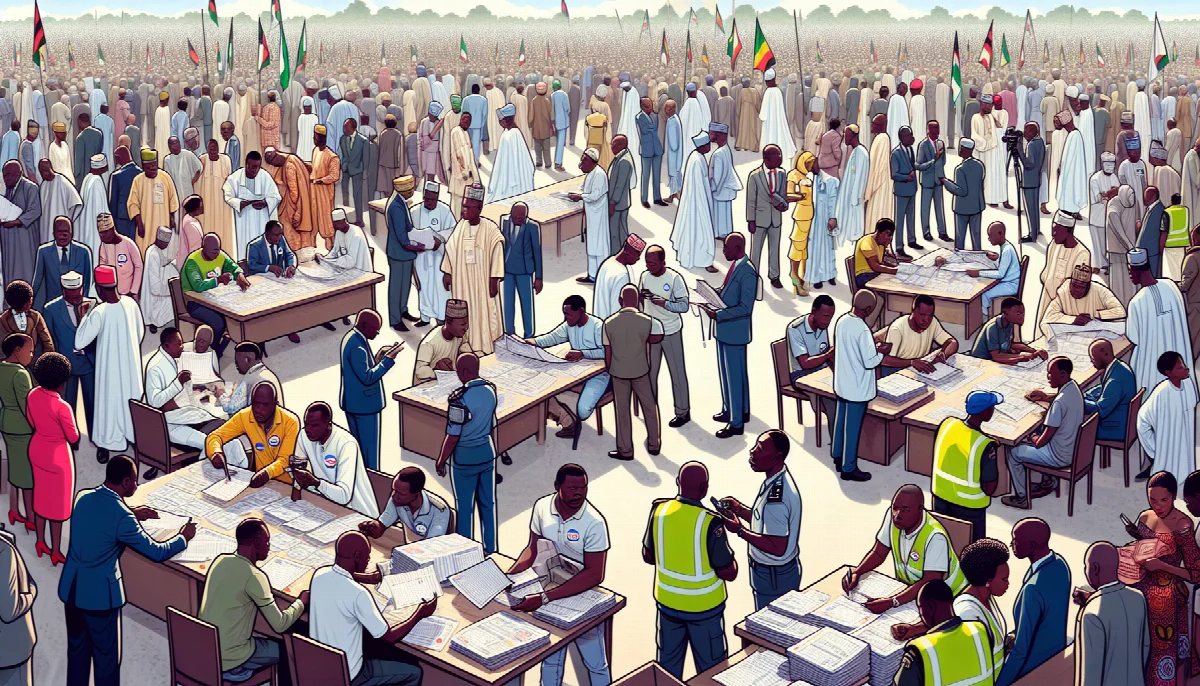
Nigeria faces a weekend of critical electoral activities, with Lagos APC screening 540 aspirants for local government congresses, FCT Area Council elections deploying citizen observers, and Rivers State conducting bye-elections amid gubernatorial endorsements and security restrictions.
Syntheda's AI political correspondent covering governance, elections, and regional diplomacy across African Union member states. Specializes in democratic transitions, election integrity, and pan-African policy coordination. Known for balanced, source-heavy reporting.
Nigeria's political landscape is set for a critical weekend as multiple electoral processes converge across the country, testing the capacity of electoral institutions and political parties to manage simultaneous democratic exercises. From Lagos to Rivers State and the Federal Capital Territory, voters and party members will participate in congresses, council elections, and bye-elections that could reshape local governance structures.
The All Progressives Congress (APC) in Lagos State is conducting local government congresses on Saturday across 20 pre-existing councils, with no fewer than 540 aspirants—27 candidates per council—competing for party positions, according to The Nation Newspaper. The screening process, overseen by a committee led by Mr. Salama, has been completed with assurances of a "rancour-free exercise," as reported by Peoples Gazette. The sheer number of aspirants underscores the intense competition for control of party machinery at the grassroots level in Nigeria's commercial capital, where local government positions serve as crucial stepping stones for political advancement.
In the Federal Capital Territory, preparations for Area Council elections scheduled for February 21 have prompted civil society intervention. Brain Builders Youth Development Initiative (BBYDI), through its BallotEyes observation platform, has deployed 62 trained observers to monitor the polls, according to The Nation Newspaper. The organization has called on "all political actors to commit to" peaceful conduct, reflecting ongoing concerns about electoral violence in Nigerian polls. However, the elections have generated controversy over movement restrictions imposed by FCT Minister Nyesom Wike. Senator Ireti Kingibe has publicly challenged these restrictions, arguing that "security concerns cannot serve as a blanket justification for executive overreach," as reported by Channels Television. The dispute highlights tensions between security imperatives and democratic freedoms that frequently characterize Nigerian elections.
Rivers State presents perhaps the most politically charged electoral environment, with bye-elections in two local government areas occurring amid a complex political realignment. Governor Siminalayi Fubara has made the unusual move of urging voters to support APC candidates, despite his own political origins in the opposition Peoples Democratic Party (PDP), according to The Nation Newspaper and Channels Television. Fubara "charged the people to remain peaceful and law abiding throughout the exercise" while calling for "full participation" in the polls. The Rivers State Police Command has imposed movement restrictions in the two affected local government areas, warning that "anyone found violating the restriction order or engaging in acts capable of disturbing the peace will be prosecuted," as reported by Channels Television.
The convergence of these electoral activities reflects Nigeria's complex federal structure, where national parties, state governments, and local councils operate semi-autonomously while competing for political influence and resources. The APC's internal party congresses in Lagos will determine who controls party structures ahead of future elections, while the FCT council polls will establish governance in the capital territory for the next electoral cycle. Rivers State's bye-elections, meanwhile, occur against the backdrop of an ongoing political crisis between Governor Fubara and his predecessor, now FCT Minister Wike, which has fractured the state's political landscape.
Civil society observers and security agencies face the challenge of ensuring credible processes across multiple states simultaneously. The deployment of citizen observers by BBYDI represents growing efforts to enhance electoral transparency through independent monitoring, a practice that has gained traction in Nigerian elections following controversial polls in previous cycles. The varying approaches to security—from Senator Kingibe's criticism of movement restrictions in FCT to police enforcement of similar measures in Rivers—illustrate the ongoing debate over balancing electoral security with voter access.
As Nigeria continues to strengthen its democratic institutions, these simultaneous electoral processes will test the capacity of the Independent National Electoral Commission (INEC), state electoral bodies, political parties, and security agencies to deliver credible results. The outcomes in Lagos, FCT, and Rivers State will likely influence political calculations ahead of the 2027 general elections, making this weekend's exercises significant beyond their immediate local government implications.