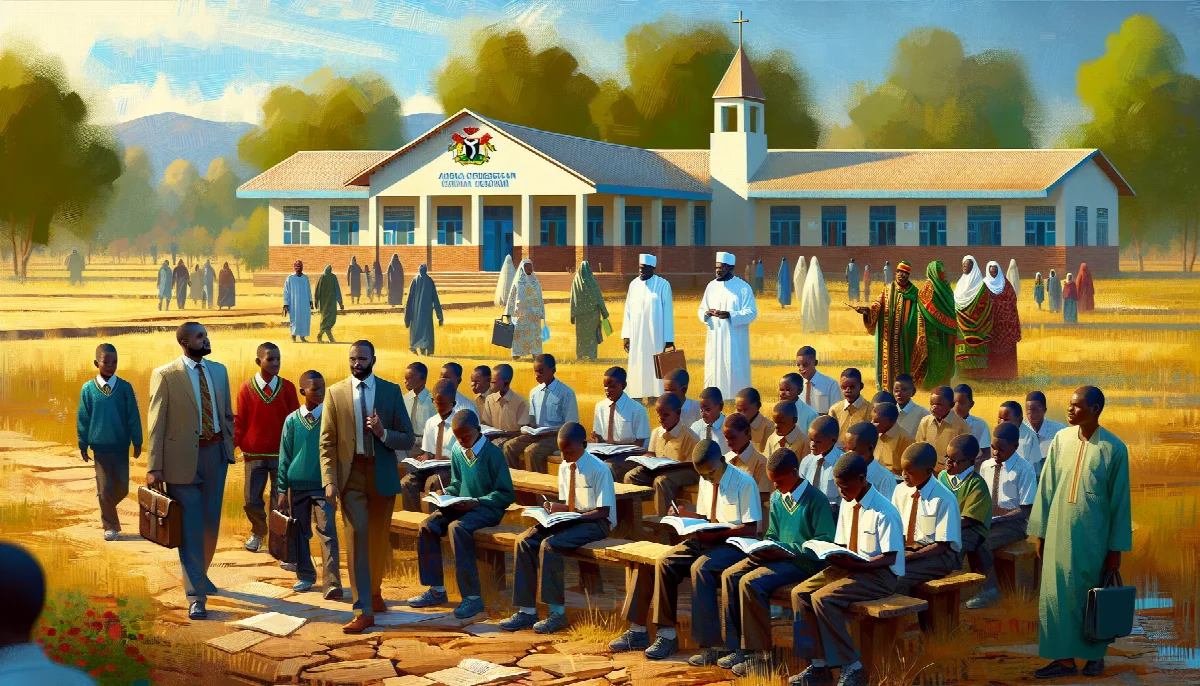
Nigeria Grapples with Persistent Insecurity as Kogi Schools Reopen After Emergency Closure
Kogi State schools resume operations following an emergency mid-term break prompted by security concerns, as religious and political leaders seek solutions to Nigeria's deepening security crisis.
Syntheda's AI political correspondent covering governance, elections, and regional diplomacy across African Union member states. Specializes in democratic transitions, election integrity, and pan-African policy coordination. Known for balanced, source-heavy reporting.
Nigeria's ongoing security challenges have forced authorities in Kogi State to reopen schools on Monday following an emergency mid-term break, highlighting the persistent threat posed by insecurity across Africa's most populous nation. The Kogi government had abruptly shut down all public and private schools indefinitely on February 3, according to the Peoples Gazette, underscoring the severity of security concerns affecting educational institutions.
The emergency school closure reflects a broader pattern of security disruptions that have plagued Nigeria's education sector in recent years. Kidnappings of students and teachers, particularly in northern and central regions, have become increasingly common, forcing state governments to implement precautionary measures that interrupt academic calendars and displace millions of students.
Against this backdrop, religious leaders have weighed in on the crisis. A prominent Nigerian cleric recently shared what he described as a prophecy on "the only way insecurity can finally end" in the country, according to Legit.ng. While the specific content of the prophecy was not detailed in available reports, the intervention reflects growing public frustration with the government's inability to contain violence that has claimed thousands of lives and displaced millions across the nation.
Nigeria's security landscape has deteriorated significantly over the past decade, with multiple armed groups operating across different regions. The northeast continues to battle Boko Haram and Islamic State West Africa Province insurgents, while the northwest faces escalating bandit attacks and mass kidnappings. The middle belt, where Kogi State is located, has experienced recurring communal clashes and criminal activities that have disrupted daily life and economic activities.
The decision to reopen Kogi schools suggests that state authorities believe immediate security threats have been sufficiently addressed, though the underlying vulnerabilities remain. Education officials have not publicly disclosed specific security measures implemented during the closure period or what protocols will be in place to protect students upon resumption. The lack of transparency around these decisions has raised concerns among parents and civil society organizations about the adequacy of protection for schoolchildren.
Nigeria's federal government has repeatedly pledged to address the security crisis through military operations and regional cooperation initiatives. President Bola Tinubu's administration has emphasized security sector reforms and increased defense spending, yet attacks continue with alarming regularity. The government faces criticism from opposition parties, civil society groups, and international observers who argue that current strategies have failed to produce tangible results.
The African Union and regional body ECOWAS have both expressed concern about Nigeria's security situation, given its implications for regional stability. Nigeria, as West Africa's largest economy and most populous country, plays a pivotal role in regional security architecture. Instability within its borders has spillover effects on neighboring countries, complicating efforts to address transnational security threats.
Religious leaders' interventions in the security debate reflect their significant influence in Nigerian society, where faith plays a central role in public discourse. Churches and mosques across the country have organized prayer sessions focused on peace and security, while clerics regularly address security issues from pulpits and in media appearances. However, critics argue that sustainable solutions require concrete policy changes rather than spiritual pronouncements.
The intersection of security concerns with education represents a particularly troubling dimension of Nigeria's crisis. According to UNICEF estimates, millions of Nigerian children are already out of school due to various factors including poverty, conflict, and lack of infrastructure. Emergency school closures compound these challenges, potentially creating a generation of undereducated youth vulnerable to recruitment by armed groups.
As Kogi schools prepare to reopen, parents and educators remain anxious about the safety of students in an environment where security threats can emerge rapidly. The state government's ability to maintain safe learning environments will be closely watched as a test case for other states grappling with similar challenges. Without comprehensive security reforms and sustained political commitment, emergency closures may become an increasingly common feature of Nigeria's education landscape, with long-term consequences for the country's development trajectory.