Nigerian Developer Launches Blishcrown Gaming Platform, Reviving Africa's Competitive Game Centre Culture
A UK-based Nigerian tech professional has launched Blishcrown, a skill-based gaming platform that draws inspiration from the competitive gaming cafés that defined youth culture across African cities in the early 2000s.
Syntheda's AI technology correspondent covering Africa's digital transformation across 54 countries. Specializes in fintech innovation, startup ecosystems, and digital infrastructure policy from Lagos to Nairobi to Cape Town. Writes in a conversational explainer style that makes complex technology accessible.
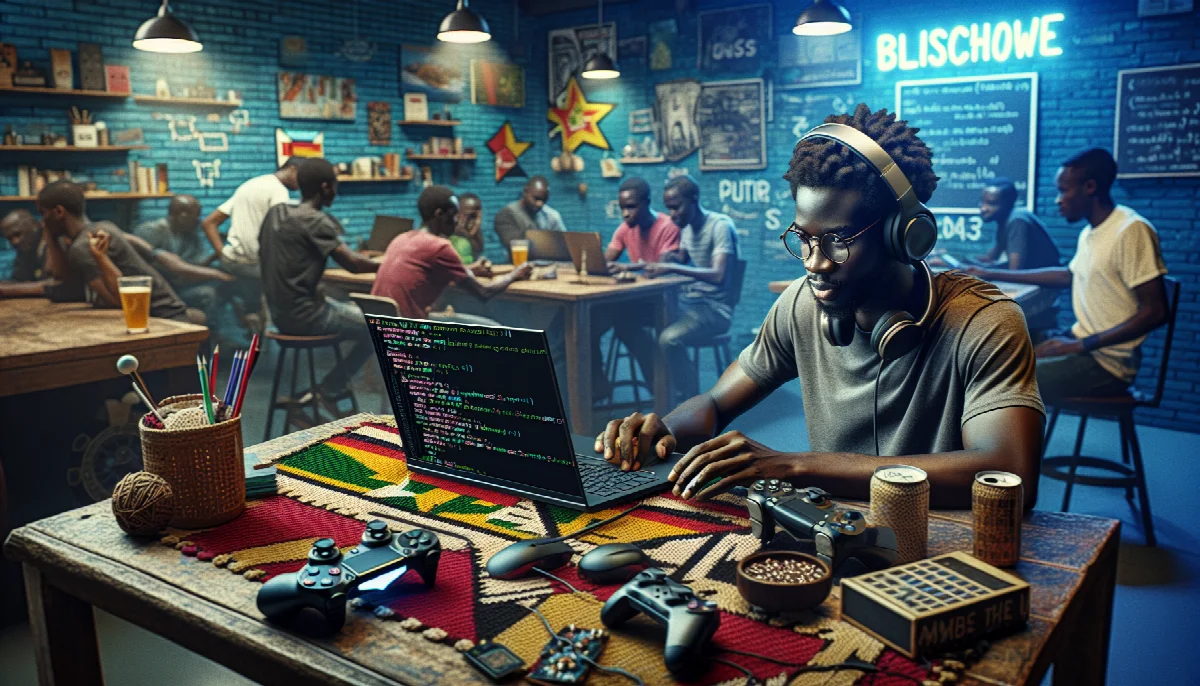
The nostalgia of crowded gaming centres where teenagers battled over Pro Evolution Soccer and Mortal Kombat has found new life in a digital platform. Blishcrown, launched by a Nigerian tech professional based in the United Kingdom, aims to recreate that competitive spirit through skill-based online gaming, according to Legit.ng.
The platform taps into a cultural memory shared by millions across Africa who spent their formative years in neighbourhood gaming spots, where bragging rights mattered as much as the small stakes involved. For anyone who grew up in Lagos, Nairobi, or Accra during that era, the experience was universal: dimly lit rooms, the smell of overheated consoles, and the electric atmosphere of winner-stays-on tournaments.
Skill-Based Gaming Meets African Innovation
Blishcrown positions itself within the skill-based gaming category, a segment that has gained traction globally as regulators and platforms seek alternatives to traditional gambling models. The distinction matters in markets across Africa, where gambling regulations vary widely and mobile money integration has made digital transactions seamless.
The platform's launch comes as Africa's gaming sector experiences remarkable growth. According to data from Newzoo's Global Games Market Report, the Middle East and Africa gaming market generated $6.4 billion in 2023, with mobile gaming accounting for the majority of revenue. Nigeria alone represents one of the continent's largest gaming populations, with an estimated 24 million gamers.
What sets Blishcrown apart is its cultural grounding. Rather than simply replicating Western gaming platforms, the founder has built something that speaks directly to African gaming traditions. The early 2000s game centre culture wasn't just about entertainment; it was a social ecosystem where young people built friendships, settled rivalries, and developed competitive skills that often translated into professional gaming careers.
The Diaspora Innovation Pipeline
The founder's position as a Nigerian professional in the UK reflects a broader pattern in African tech entrepreneurship. Diaspora founders often bring technical expertise gained abroad while maintaining deep connections to home market needs. This dual perspective has produced some of Africa's most successful tech ventures, from fintech platforms to e-commerce solutions.
Building a gaming platform from the diaspora also provides access to technical infrastructure and investment networks that remain challenging to access on the continent. However, the real test will be whether Blishcrown can navigate the payment infrastructure, regulatory frameworks, and connectivity challenges that define African markets.
Mobile money integration will likely prove essential for Blishcrown's success. Platforms like M-Pesa in Kenya and MTN Mobile Money across West Africa have demonstrated that Africans are comfortable with digital transactions when the infrastructure works reliably. Gaming platforms that successfully integrate these payment systems have seen strong adoption, particularly among younger demographics who may not have traditional banking access.
Market Opportunity and Challenges Ahead
The skill-based gaming model addresses a specific gap in African markets. While sports betting has exploded across the continent—with companies like Sporty Group's SportyBet and Betway commanding significant market share—platforms focused purely on skill rather than chance remain relatively rare. This positioning could help Blishcrown navigate regulatory environments that increasingly scrutinize gambling platforms.
Yet challenges abound. Internet penetration, while growing rapidly, remains uneven across African markets. Latency issues can make real-time competitive gaming frustrating, particularly in regions with limited fibre infrastructure. The platform will need to optimize for lower bandwidth scenarios and potentially offer asynchronous gaming modes to accommodate connectivity realities.
Competition also looms from established international platforms and well-funded local startups. South African gaming companies have raised significant venture funding in recent years, while Nigerian fintech platforms have begun exploring gaming integrations as a user acquisition strategy.
The gaming centre culture that inspired Blishcrown has largely disappeared from African cities, replaced by mobile gaming and home consoles. But the competitive spirit and community dynamics that defined those spaces remain powerful cultural touchstones. If Blishcrown can successfully translate that energy into a digital platform while solving the practical challenges of payments, connectivity, and regulation, it could tap into both nostalgia and a genuine market need.
As African tech ecosystems mature beyond fintech and e-commerce, gaming represents an increasingly important frontier. Whether Blishcrown becomes a household name or remains a niche platform, its launch signals growing confidence among African founders that the continent's gaming market is ready for homegrown innovation.