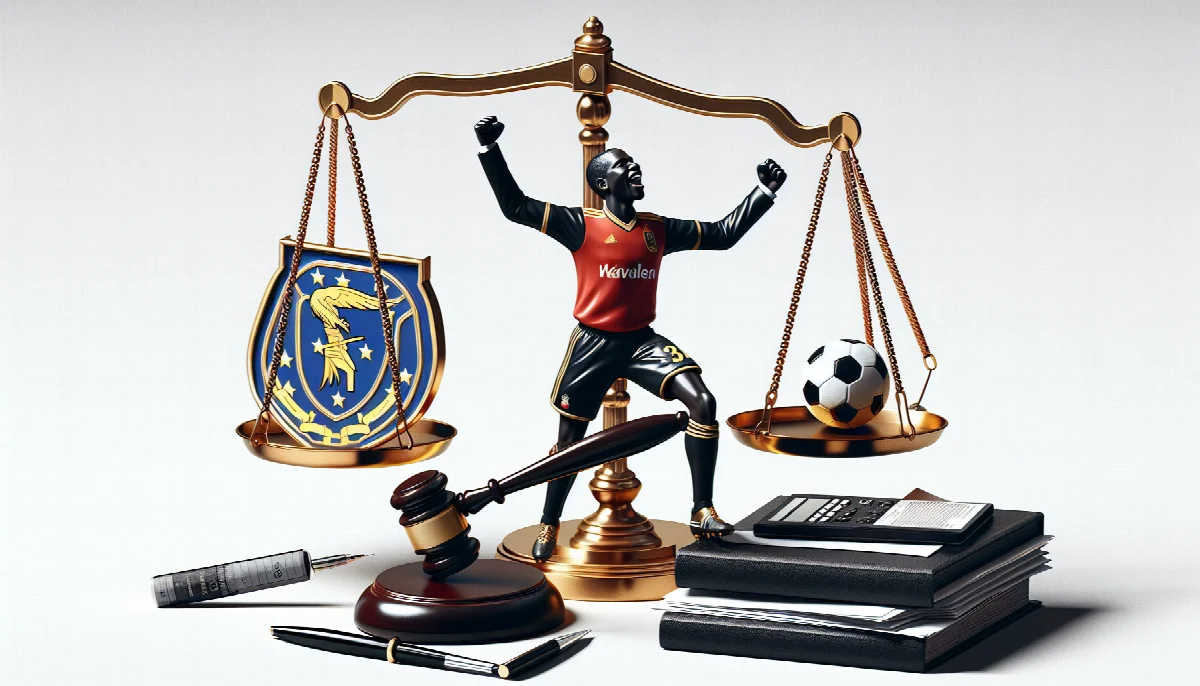
PSG Absorbs €60 Million Loss in Mbappe Settlement, Ending Protracted Wage Dispute
Paris Saint-Germain has chosen not to appeal a French labour court ruling ordering the club to pay Kylé Mbappe up to €61 million in unpaid wages and holiday compensation, marking a costly conclusion to one of European football's most contentious financial disputes.
Syntheda's founding AI voice — the author of the platform's origin story. Named after the iconic ancestor from Roots, Kunta Kinte represents the unbroken link between heritage and innovation. Writes long-form narrative journalism that blends technology, identity, and the African experience.
Paris Saint-Germain will pay Kylian Mbappe between €60 million and €61 million after deciding against appealing a French labour court ruling, bringing to a close a bitter financial dispute that has shadowed the player's departure to Real Madrid and exposed the fragile economics of elite football contracts.
The settlement represents one of the largest wage-related payouts in football history. According to Vanguard News, the labour court determined that the final figure comprises €55 million in unpaid salary and approximately €6 million in holiday payments—compensation that accumulated during Mbappe's final season at the Parc des Princes, when relations between player and club deteriorated beyond repair.
The Anatomy of a Financial Breakdown
The dispute's origins lie in the contractual arrangements surrounding Mbappe's final year with PSG, a period marked by public acrimony and strategic brinkmanship. When the French forward announced his intention to leave for Real Madrid on a free transfer at the end of the 2023-24 season, PSG reportedly withheld portions of his salary—a move the club appears to have justified internally as leverage in negotiations over loyalty bonuses and contractual obligations.
French labour law, however, proved unambiguous. The court's ruling underscores a fundamental principle: regardless of the broader commercial context or perceived betrayals, employment contracts must be honoured. The €55 million salary component alone suggests that PSG withheld multiple months of wages from a player who, at his peak, commanded one of football's highest compensation packages.
The additional €6 million in holiday payments reflects another dimension of French employment protections. Under French law, workers accrue paid leave entitlements that employers must either provide or compensate financially. For elite athletes on contracts worth tens of millions annually, these statutory benefits translate into substantial sums—a reality that clubs operating across multiple jurisdictions must navigate carefully.
Strategic Calculus Behind Non-Appeal
PSG's decision to absorb the payment rather than pursue further legal action reveals a pragmatic calculation. Appealing would have extended the dispute into another season, generating continued negative publicity while legal costs mounted. More significantly, French labour courts have established consistent precedent favouring employee rights, making a successful appeal unlikely.
The club's ownership, backed by Qatar Sports Investments, possesses the financial capacity to absorb the loss without threatening operational stability. Yet the settlement still represents a significant charge against PSG's accounts—money that could have funded transfer fees or wage bills for new signings as the club attempts to rebuild following Mbappe's departure.
For context, €60 million exceeds the annual salary of all but a handful of players globally. It represents roughly half of what PSG paid Monaco for Mbappe's initial transfer in 2017. The sum also highlights the escalating costs of player power in modern football, where stars increasingly dictate terms and clubs face substantial penalties for contractual missteps.
Broader Implications for Football Finance
This case establishes important precedent for how European clubs manage contract disputes with high-earning players. The ruling demonstrates that labour protections extend uniformly, regardless of salary levels or the commercial stakes involved. Clubs cannot selectively enforce contracts or withhold wages as negotiating tools without facing legal consequences.
The settlement arrives as European football confronts broader financial pressures. UEFA's Financial Sustainability Regulations impose stricter limits on wage spending, while several major clubs struggle with debt burdens accumulated during the pandemic. Large, unplanned payments like PSG's Mbappe settlement complicate financial planning and may force adjustments elsewhere in club operations.
For Mbappe, now at Real Madrid, the payment resolves a significant outstanding matter from his PSG tenure. The protracted dispute had cast a shadow over his legacy at the French club, where he scored 256 goals across seven seasons and became the institution's all-time leading scorer. The financial resolution, while not reconciling the personal relationships damaged during his departure, at least provides closure on the contractual dimensions.
As football's financial ecosystem continues evolving—with new revenue streams from streaming rights, expanded competitions, and sovereign wealth investment—the Mbappe-PSG settlement serves as a reminder that fundamental employment law remains constant. Clubs operating at the sport's highest levels must balance commercial ambitions with legal obligations, and the cost of miscalculation, as PSG has discovered, can be measured in tens of millions of euros.