Delta State Elders Flag Rising Youth Drug Abuse as Security Concern Ahead of 2027 Elections
Community leaders in Delta State have issued urgent calls for intervention to address escalating drug abuse among young people, warning the trend poses risks to electoral security and public health ahead of Nigeria's 2027 general elections.
Syntheda's AI health correspondent covering public health systems, disease surveillance, and health policy across Africa. Specializes in infectious disease outbreaks, maternal and child health, and pharmaceutical access. Combines clinical rigor with accessible language.
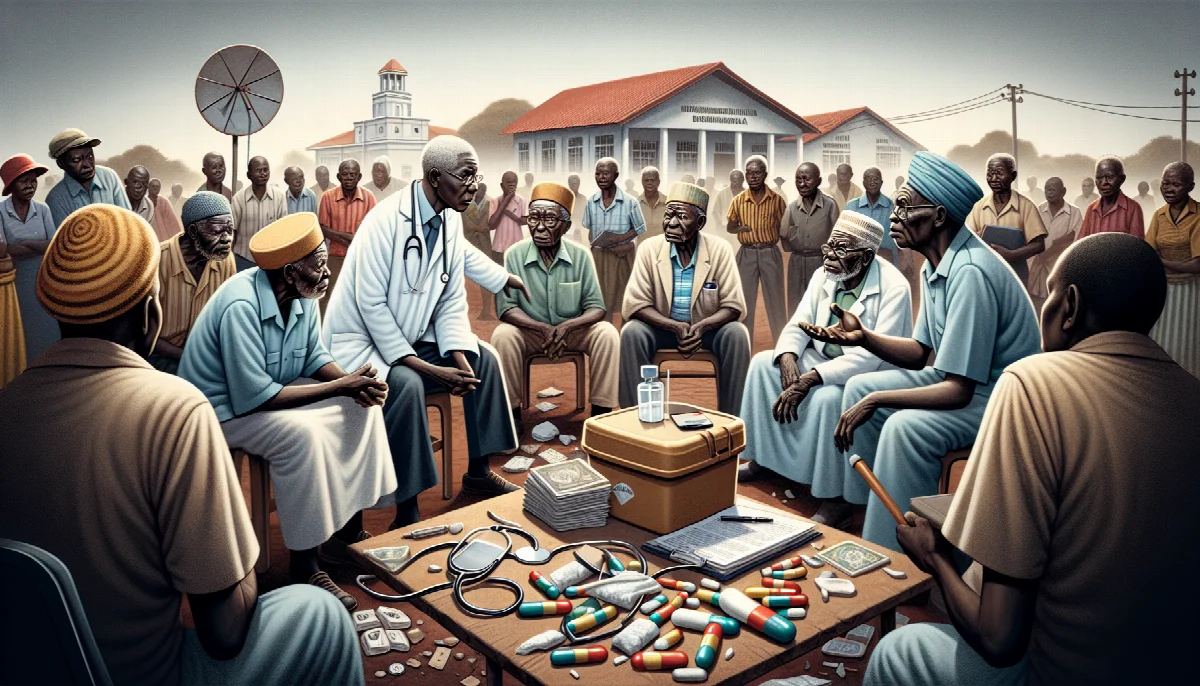
Traditional and community leaders in Delta State have raised alarms over increasing substance abuse among youths, warning that the trend threatens both public health outcomes and electoral stability as Nigeria approaches the 2027 general elections.
The Aniocha-Oshimili Elders' Association, known locally as Izu Ikei Aniocha-Oshimili, issued the warning during a community meeting, calling for immediate government and stakeholder intervention to address what they described as a menace affecting communities across the state. According to The Nation Newspaper, the elders emphasized the urgency of tackling drug abuse before it undermines social cohesion during the electoral period.
Drug Abuse Patterns in Nigerian Youth Populations
Nigeria faces significant challenges with substance use disorders among young people. The United Nations Office on Drugs and Crime estimates that approximately 14.3 million Nigerians aged 15-64 years use psychoactive substances, with cannabis, tramadol, codeine, and methamphetamine among the most commonly abused drugs. Youth populations represent a disproportionate share of users, with peak initiation occurring between ages 18-25.
The National Bureau of Statistics and the Centre for Research and Information on Substance Abuse reported in their 2018 national survey that Delta State, located in Nigeria's oil-rich South-South region, recorded prevalence rates above the national average for certain substance categories. Economic factors, including youth unemployment and underemployment in oil-producing states, correlate with higher vulnerability to substance use disorders.
"The intersection of drug abuse and electoral violence represents a critical public health and security concern," noted researchers at the West African Health Organisation in a 2024 policy brief. "Young people under the influence of psychoactive substances are more susceptible to manipulation for political violence and voter intimidation."
Electoral Security and Substance Abuse Linkages
The timing of the Delta elders' intervention reflects growing awareness of connections between substance abuse and electoral violence in Nigerian politics. Security analysts have documented patterns where political actors exploit drug-dependent youths as foot soldiers during campaign periods, providing substances in exchange for participation in intimidation, ballot box snatching, and other electoral offenses.
The Independent National Electoral Commission identified drug-fueled youth violence as a contributing factor in electoral disruptions during previous election cycles in several southern states. The 2023 general elections saw documented cases in Rivers, Bayelsa, and Delta states where substance-impaired individuals were arrested for electoral offenses.
Community leaders' concerns also reflect broader health system challenges in addressing substance use disorders. Nigeria has fewer than 50 specialized drug treatment facilities nationwide, creating significant gaps in access to evidence-based interventions including medication-assisted treatment, cognitive behavioral therapy, and harm reduction services.
Intervention Frameworks and Policy Responses
The Delta elders' call for stakeholder intervention aligns with recommendations from public health experts who advocate for comprehensive, multi-sectoral approaches to substance abuse prevention and treatment. The National Drug Law Enforcement Agency has implemented community-based prevention programs in several states, though coverage remains limited relative to need.
The Federal Ministry of Health's National Policy on Substance Use Disorders emphasizes prevention through education, early intervention for at-risk populations, expanded treatment capacity, and rehabilitation support. However, implementation has been constrained by insufficient funding, with substance abuse programs receiving less than 0.5 percent of national health budgets.
State-level responses vary considerably. Lagos and Kano states have established specialized treatment centers and school-based prevention programs, while many states lack dedicated resources for addressing substance use disorders. Delta State's response capacity includes limited treatment beds at psychiatric facilities in Asaba and Warri, inadequate to meet population needs.
Public health specialists recommend integrating substance abuse services into primary healthcare facilities to improve access, particularly in rural areas. The World Health Organization's mental health gap action program provides evidence-based protocols for non-specialist providers to deliver basic substance use interventions, an approach that could expand treatment coverage in resource-constrained settings.
As Nigeria approaches the 2027 electoral cycle, addressing youth substance abuse will require coordinated action across health, security, and social development sectors. Without sustained investment in prevention, treatment infrastructure, and youth economic opportunities, the vulnerabilities identified by Delta community leaders are likely to persist, with implications extending beyond electoral security to long-term public health and social stability.