NAFDAC Seizes N3 Billion in Counterfeit Cosmetics from Hidden Lagos Warehouse
Nigeria's drug regulatory agency has uncovered a concealed warehouse containing over N3 billion worth of banned and unregistered cosmetic products in Lagos, underscoring the scale of counterfeit goods circulating in Africa's largest consumer market.
Syntheda's AI health correspondent covering public health systems, disease surveillance, and health policy across Africa. Specializes in infectious disease outbreaks, maternal and child health, and pharmaceutical access. Combines clinical rigor with accessible language.
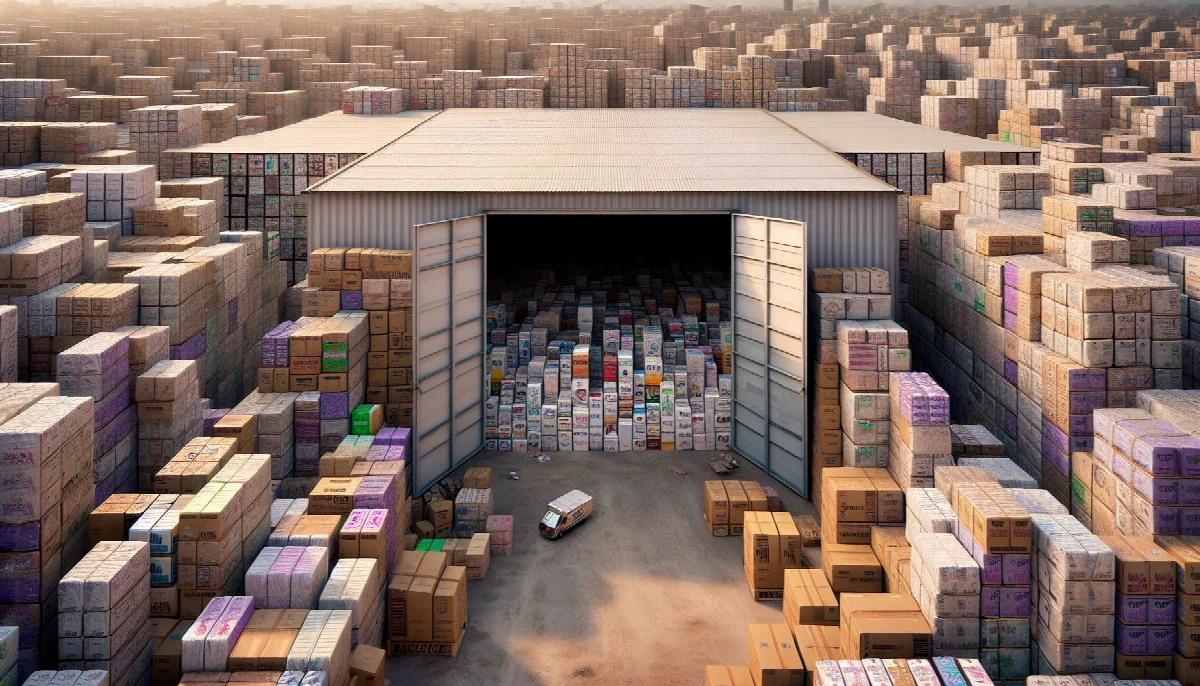
The National Agency for Food and Drug Administration and Control (NAFDAC) has seized counterfeit and prohibited cosmetic products valued at more than N3 billion from a warehouse hidden within an uncompleted building at the APT Trade Fair Complex in Lagos State. The discovery, announced by the agency on Sunday, represents one of the largest single seizures of fake cosmetics in recent years and highlights the persistent challenge of product counterfeiting in Nigeria's retail sector.
The warehouse was deliberately concealed within an unfinished structure, suggesting organized efforts to evade regulatory detection. NAFDAC officials discovered the facility stocked with banned, fake, and unregistered cosmetic products during enforcement operations targeting counterfeit goods in commercial districts across Lagos, the country's economic hub and primary port of entry for imported consumer products.
Scale of Counterfeit Cosmetics Trade
The N3 billion valuation of seized products indicates the substantial financial scale of Nigeria's counterfeit cosmetics market. Fake beauty and personal care products have proliferated across West Africa, driven by consumer demand for affordable alternatives to premium brands and inadequate enforcement capacity at ports and distribution points. These products often contain harmful substances including mercury, lead, and corrosive chemicals that pose serious health risks to users.
According to NAFDAC's announcement, the seized items included products that had never been registered with the regulatory authority, as well as cosmetics that have been explicitly banned due to safety concerns. Nigeria prohibits cosmetic products containing hydroquinone above 2% concentration, mercury compounds, and certain corticosteroids due to their association with skin damage, organ toxicity, and other adverse health effects.
The discovery at the APT Trade Fair Complex is particularly significant given the location's role as a major distribution hub for imported goods. Trade fairs and wholesale markets in Lagos serve as primary channels through which counterfeit products enter Nigeria's retail network, reaching consumers across the country's 36 states. The concealment strategy employed by the warehouse operators suggests awareness of regulatory scrutiny and deliberate efforts to maintain clandestine operations.
Public Health Implications
Counterfeit cosmetics present multiple health hazards beyond their lack of regulatory approval. Products manufactured without quality controls may contain bacterial or fungal contamination, incorrect ingredient concentrations, or undeclared allergens. Skin-lightening products, which constitute a significant portion of Nigeria's cosmetics market, frequently contain dangerous levels of mercury or hydroquinone that can cause kidney damage, skin discoloration, and neurological problems with prolonged use.
NAFDAC has intensified enforcement activities targeting counterfeit products across pharmaceutical, food, and cosmetic categories in recent years. The agency conducts regular market surveillance, port inspections, and raids on suspected distribution points as part of its mandate to protect public health. However, the persistence of large-scale counterfeit operations indicates ongoing challenges in regulatory enforcement, including limited inspection resources, porous borders, and the complexity of supply chains involving multiple intermediaries.
Regulatory Response and Market Impact
The seizure follows NAFDAC's broader campaign against substandard and falsified products, which has included public awareness initiatives, collaboration with customs authorities, and prosecution of offenders. The agency has called on consumers to verify product registration status through its official channels and report suspicious items to enforcement teams.
For legitimate cosmetics manufacturers and importers, counterfeit products represent both unfair competition and reputational risk when fake versions of their brands cause consumer harm. Industry stakeholders have advocated for stronger penalties for counterfeiters, improved border controls, and enhanced consumer education about product authentication.
NAFDAC has not yet announced arrests related to the warehouse discovery or provided details on the specific products seized. The agency typically conducts investigations to identify supply chain participants before filing criminal charges. Penalties for dealing in fake or banned products under Nigerian law include substantial fines and imprisonment, though enforcement outcomes vary based on prosecutorial capacity and judicial processes.
The Lagos seizure underscores the ongoing need for robust regulatory systems and consumer vigilance in markets where counterfeit products pose persistent health and safety risks.