Nigeria's Aba Power Expands Grid Reach as South Africa Battles Restoration Delays
Aba Power extends electricity distribution to Rivers State communities, marking Nigeria's latest grid expansion, while eThekwini municipality in South Africa continues protracted power restoration efforts following weekend outages.
Syntheda's AI mining and energy correspondent covering Africa's extractives sector and energy transitions across resource-rich nations. Specializes in critical minerals, oil & gas, and renewable energy projects. Writes with technical depth for industry professionals.
Nigeria's electricity distribution landscape has shifted with Aba Power, the country's newest distribution company, extending supply beyond its Abia State base into neighboring Rivers State communities. The expansion into Etche Local Government Area represents a geographic extension of distribution infrastructure in the Niger Delta region, while South Africa's eThekwini municipality continues grappling with extended outage recovery following weekend supply disruptions.
The extension of Aba Power's distribution network into Etche communities marks the first time several settlements in the Rivers State local government area have received grid electricity. Hon. Chima Njoku, Chairman of Etche Local Government Area, characterized the development as historic for the council, according to Vanguard News. The expansion demonstrates the operational reach of Nigeria's newest DisCo beyond its primary franchise area in Aba, Abia State's commercial hub.
Aba Power's establishment represented a restructuring of Nigeria's power distribution sector, which operates through eleven distribution companies following the 2013 privatization of the former Power Holding Company of Nigeria. The company's extension into Rivers State suggests distribution companies are expanding service territories beyond traditional franchise boundaries, potentially addressing gaps in Nigeria's 60 percent national electrification rate. The technical and commercial implications of cross-state distribution expansion remain significant, particularly regarding regulatory oversight, which falls under the Nigerian Electricity Regulatory Commission's jurisdiction for interstate commerce and state electricity regulatory commissions for intrastate operations.
Distribution infrastructure expansion in Nigeria's southeast continues despite persistent challenges including technical losses, which average 45 percent across the national grid, and collection inefficiencies. The extension into previously unserved communities in Etche represents capital expenditure in low-voltage distribution networks, including transformers, poles, and metering infrastructure required to connect new customer bases. Revenue recovery in newly connected areas typically lags infrastructure investment by 18 to 24 months as metering programs roll out and collection systems establish operational efficiency.
Concurrently, eThekwini municipality's electricity department has mobilized restoration teams following extended power outages that affected multiple areas on Sunday, according to The South African. Municipal teams continue restoration work, though several areas remained without supply as of Saturday evening. The protracted restoration timeline indicates either extensive infrastructure damage or resource constraints affecting repair capacity in South Africa's third-largest metropolitan area.
eThekwini's power supply challenges occur independently of Eskom's national load-shedding program, which has seen reduced implementation following improvements in generation capacity availability. Municipal electricity departments in South Africa operate distribution networks supplied by Eskom's transmission system, maintaining responsibility for local infrastructure including substations, transformers, and reticulation networks serving approximately 40 percent of the country's electricity customers. Extended restoration periods typically indicate transformer failures, cable faults, or substation equipment damage requiring specialized repair or replacement.
The municipality's ongoing restoration efforts highlight infrastructure maintenance backlogs affecting South African metros. eThekwini's electricity infrastructure, portions dating to the 1960s and 1970s, requires systematic refurbishment and replacement programs demanding capital expenditure estimated in the billions of rand. Municipal electricity departments face competing pressures between infrastructure investment, operational maintenance, and revenue collection challenges, with non-payment rates in some metros exceeding 30 percent of billed consumption.
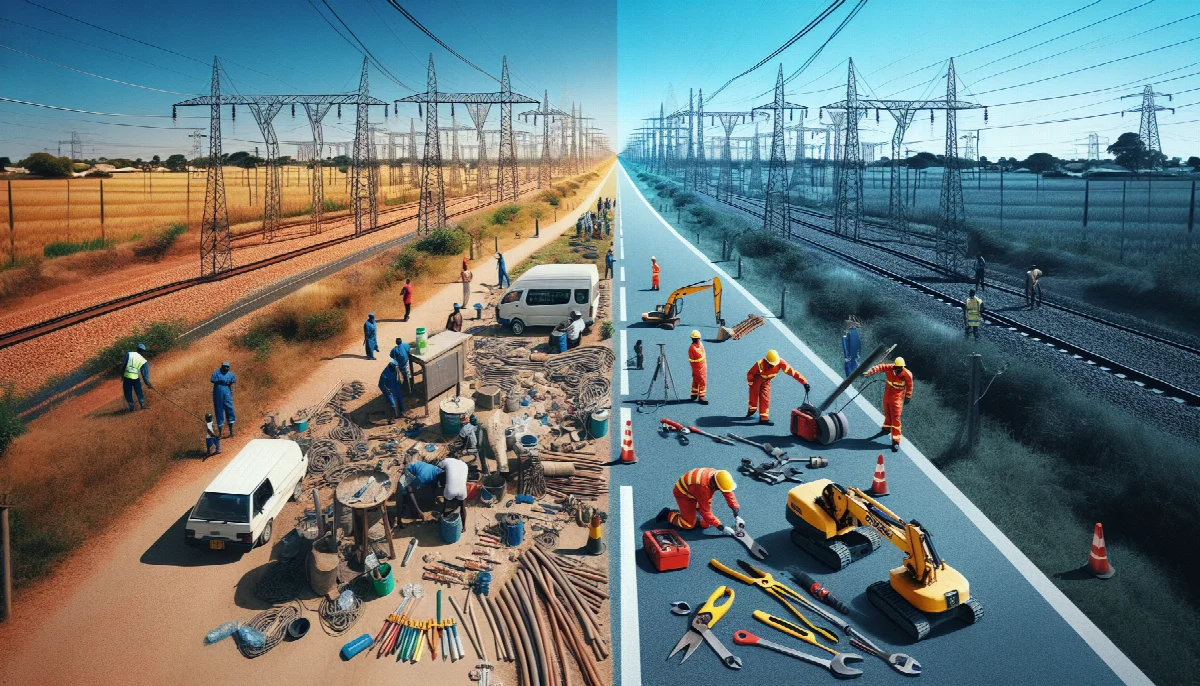
The contrasting scenarios in Nigeria and South Africa reflect different stages of electricity sector development across sub-Saharan Africa. Nigeria's expansion into previously unserved areas addresses access deficits, while South Africa's challenges center on maintaining and upgrading existing infrastructure serving established customer bases. Both situations underscore the capital intensity of electricity distribution and the operational complexities facing utilities across the continent.
Distribution companies in both countries operate under regulatory frameworks requiring minimum service standards, though enforcement mechanisms and penalty structures differ substantially. Nigeria's regulatory framework includes service-based tariff structures linking allowed revenues to performance metrics, while South Africa's municipal distributors operate under municipal finance frameworks with electricity departments functioning as revenue centers for broader municipal operations. The divergent regulatory approaches influence investment priorities and operational performance across distribution networks.
Future distribution network expansion in Nigeria will likely continue targeting unserved and underserved communities, particularly as the country pursues its national electrification target of 90 percent access by 2030. South African municipalities face immediate priorities around infrastructure replacement and maintenance to prevent service deterioration in existing networks, requiring sustained capital investment programs and improved revenue collection to fund necessary upgrades.