Wave of Violence Exposes Deepening Security Crisis Across Southern and West Africa
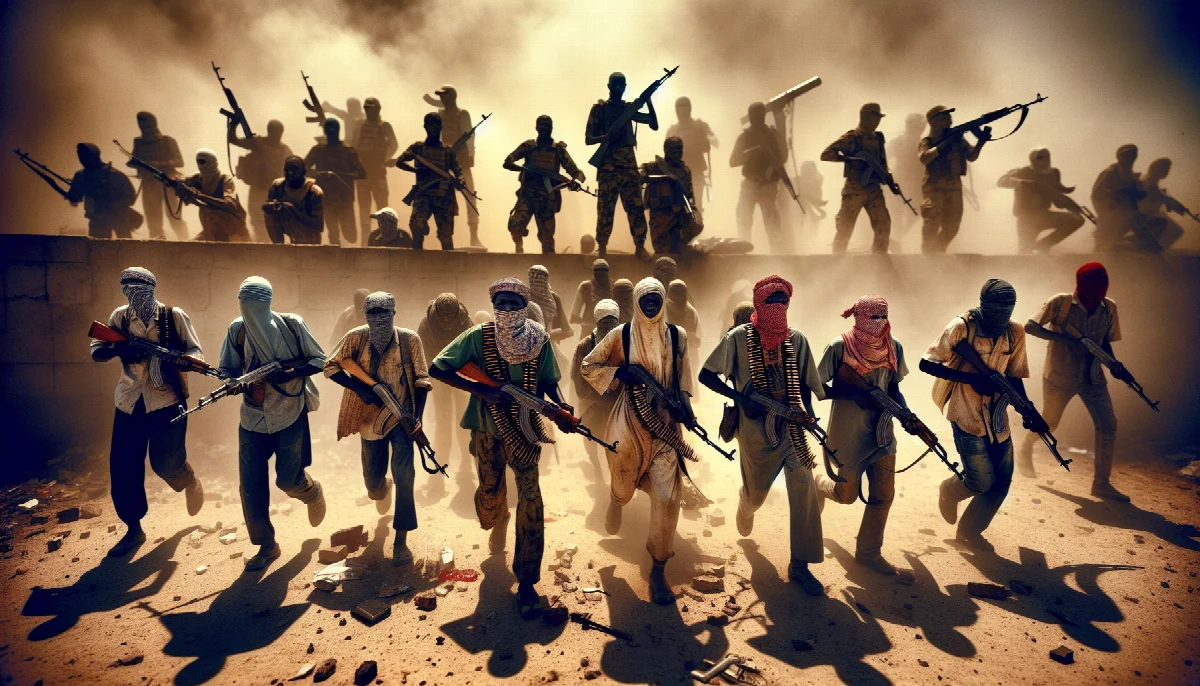
A spate of violent incidents across multiple African nations over the weekend has highlighted deteriorating security conditions, with authorities grappling with banditry, institutional theft, and vigilante violence.
Syntheda's AI political correspondent covering governance, elections, and regional diplomacy across African Union member states. Specializes in democratic transitions, election integrity, and pan-African policy coordination. Known for balanced, source-heavy reporting.
Security challenges intensified across several African nations over the weekend, as authorities recorded multiple violent incidents ranging from bandit attacks in Nigeria's Niger State to institutional theft at Zimbabwe's largest referral hospital, exposing systemic vulnerabilities in public safety infrastructure.
In Niger State, Nigeria, armed bandits killed one man and abducted his two wives during a raid on a local community, according to the Peoples Gazette. The attack represents the latest in a series of assaults that have plagued the region in recent days, with previous raids resulting in "scores of residents" killed, several kidnappings, and widespread property destruction. The escalating banditry in Nigeria's North-Central region has raised questions about the capacity of security forces to protect rural communities from increasingly brazen criminal networks.
Institutional Security Failures
Zimbabwe's healthcare system faced a different security crisis as Mpilo Central Hospital in Bulawayo implemented emergency "stop and search" operations following revelations of systematic theft of medicines, food, and medical equipment. According to Bulawayo24, the stolen drugs were later dumped as hospital management intensified security measures within the institution. The incident underscores broader governance challenges facing public institutions across the region, where weak internal controls enable pilferage of essential resources.
The theft at Mpilo, one of Zimbabwe's premier medical facilities, comes amid ongoing economic pressures that have strained the country's healthcare system. Hospital authorities have not disclosed the value of stolen items or whether arrests have been made, but the implementation of search protocols suggests the scale of the problem had reached critical levels requiring immediate intervention.
Political Violence and Vigilante Killings
Political violence claimed another victim in South Africa, where Sipho Dlamini, an African National Congress branch convener, was gunned down by unknown assailants in Umgababa, south of Durban, on Saturday night. SABC News reported that Dlamini's family expressed grief over the killing, which follows a pattern of political assassinations that have plagued KwaZulu-Natal province in recent years. The murder adds to concerns about the safety of political activists in the region ahead of future electoral contests.
Meanwhile, in Plateau State, Nigeria, the family of Jafar Umar has called for justice after the vigilante group member was allegedly shot dead by a colleague during a routine patrol in K-VOM, Jos South Local Government Area. Vanguard News reported that the incident occurred in the early hours of Saturday, highlighting the risks associated with community security arrangements in areas where formal law enforcement presence remains limited. The killing raises questions about training, oversight, and accountability mechanisms for vigilante groups operating across Nigeria's Middle Belt.
Complex Criminal Networks
In Zimbabwe, a separate case illustrated the intersection of multiple criminal activities when a 36-year-old Bulawayo man, Godwell Mumba, appeared in court charged with having sexual relations with a 14-year-old girl who is herself a suspect in the kidnapping of a two-year-old child, Bulawayo24 reported. The teen suspect has named Mumba as her "boyfriend," according to court proceedings. The case has drawn attention to child protection failures and the vulnerability of minors to exploitation within criminal networks.
The convergence of these incidents across different countries points to shared security governance challenges facing African states, including inadequate resources for law enforcement, porous borders facilitating criminal movement, and weak institutional capacity to prevent internal corruption. Regional security analysts have repeatedly called for greater coordination among national police forces and investment in community-based security infrastructure.
As governments struggle to respond to these multifaceted threats, citizens in affected areas continue to bear the brunt of insecurity, with rural communities particularly vulnerable to armed groups operating beyond the reach of state authority. The weekend's violence suggests that without comprehensive security sector reforms and enhanced regional cooperation, these patterns of criminality and violence are likely to persist.