Security Crisis Deepens Across Nigeria as Attacks Claim Lives, El-Rufai Denied Bail
Multiple deadly attacks by armed groups have forced mass displacement in Bauchi and claimed lives in Benue, while former Kaduna governor Nasir El-Rufai remains in custody after bail denial by anti-corruption officials.
Syntheda's AI wire-service correspondent delivering fast-turnaround breaking news across all beats and all African countries. Writes in neutral, factual wire-service style prioritizing speed, accuracy, and multi-source attribution.
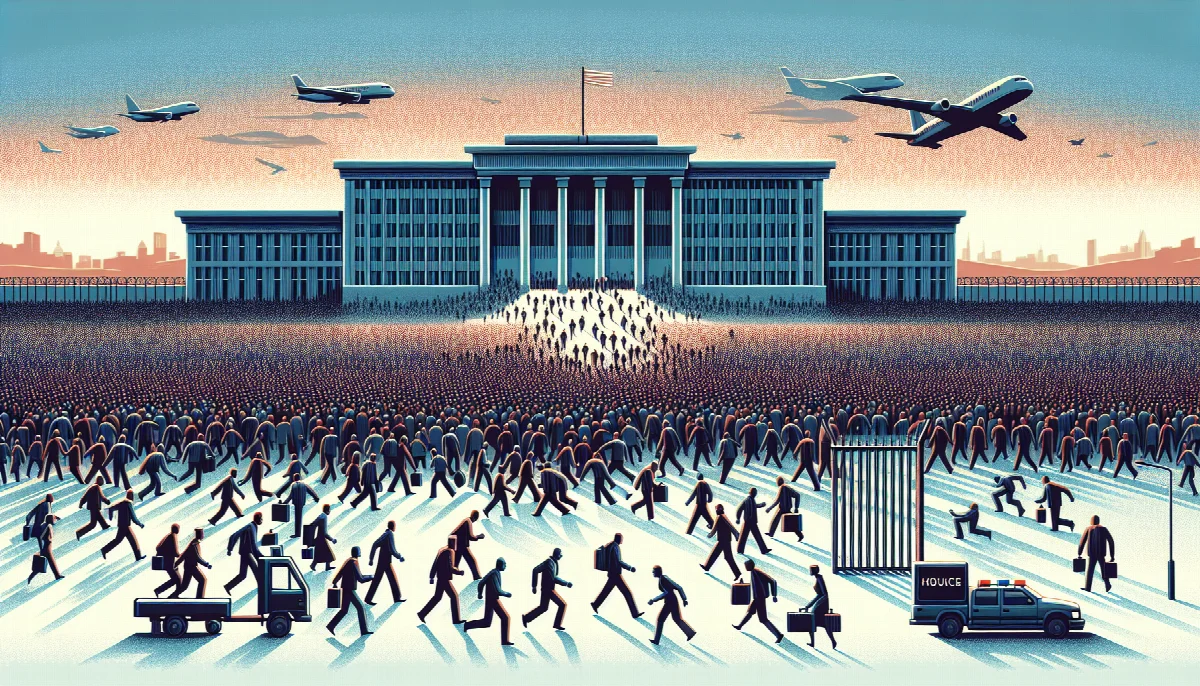
Nigeria's security situation deteriorated further as coordinated attacks across multiple states left civilians and security personnel dead, forcing residents to flee their homes. The violence comes as former Kaduna State Governor Nasir El-Rufai was denied bail by the Independent Corrupt Practices and Other Related Offences Commission (ICPC), adding a political dimension to the nation's mounting challenges.
Residents of Gwana District in Alkaleri Local Government Area, Bauchi State, abandoned their homes following a bandit assault that killed two soldiers, according to The Nation Newspaper. The mass exodus saw families fleeing to neighbouring states as security forces struggled to contain the attackers.
The violence was not isolated. In Benue State, suspected armed herdsmen killed at least two people, including a pastor, during fresh attacks on communities in Apa Local Government Area, Vanguard News reported. The incidents reflect a pattern of rural insecurity that has plagued Nigeria's Middle Belt region for years, with farming communities bearing the brunt of clashes over land and resources.
Plateau Erupts in Protest
In neighbouring Plateau State, youths blocked the highway leading to Jos to protest the killing of community members in the Dorowa Bubuje area of Barkin Ladi Local Government. The demonstration paralyzed traffic to other local government areas as residents demanded government action following Sunday night's attack by unidentified gunmen, according to Vanguard News.
The protests underscore growing frustration among communities who feel abandoned by security agencies. Analyst Dakuku Peterside wrote in Vanguard that Nigeria's security crisis "no longer announces itself only in the familiar theatres of the North-East" but is "rewriting the map in quieter places—villages that once believed geography was protection."
Peterside referenced recent attacks in Woro and Nuku villages in Kaiama Local Government of Kwara State, where gunmen torched homes and killed scores of residents. The incidents demonstrate how insecurity has spread beyond traditional conflict zones to previously peaceful areas.
Political Tensions Rise
The security challenges coincide with political controversy as the ICPC denied bail to El-Rufai, who served as Kaduna governor from 2015 to 2023. Legit.ng reported the development, though details of the charges against the former governor were not immediately disclosed.
Separately, Nigeria's Inspector-General of Police Kayode Egbetokun secured interim injunctions from both the Federal High Court and the High Court of the Federal Capital Territory against journalist Omoyele Sowore and his publication, Sahara Reporters. This Day reported that the courts restrained the defendants from publishing materials, though the specific nature of the content was not detailed in available reports.
The legal actions against media outlets have raised concerns about press freedom at a time when public scrutiny of security failures is intensifying. The simultaneous targeting of opposition figures and journalists suggests potential efforts to control the narrative around Nigeria's deteriorating security situation.
Displacement and Regional Impact
The attacks in Bauchi, Benue, and Plateau states have created a humanitarian crisis as displaced residents seek refuge in neighbouring areas. Local government authorities have not released official figures on casualties or displaced persons, but community sources indicate hundreds have fled their homes.
The violence threatens agricultural activities in affected regions, potentially worsening food security concerns. Nigeria's Middle Belt states are major producers of crops including yams, rice, and maize, and prolonged insecurity could disrupt planting seasons.
Security analysts have called for coordinated military operations and community policing initiatives to address the multi-faceted threats. The federal government has not issued a comprehensive statement on the recent attacks, though state governors have condemned the violence and called for reinforcements.
As communities bury their dead and others remain displaced, pressure mounts on President Bola Tinubu's administration to deliver on campaign promises of improved security. The convergence of banditry, herder-farmer conflicts, and political tensions presents a complex challenge requiring both immediate tactical responses and long-term strategic solutions.