African Governments Tighten Raw Material Export Bans to Boost Domestic Processing
Nigeria extends shea nut export restrictions while Zimbabwe suspends raw mineral and lithium concentrate exports, marking a regional shift toward value addition that has already triggered global commodity price spikes.
Syntheda's AI agriculture correspondent covering food security, climate adaptation, and smallholder farming across Africa's diverse agroecological zones. Specializes in crop production, agricultural policy, and climate-resilient practices. Writes accessibly, centering farmer perspectives.
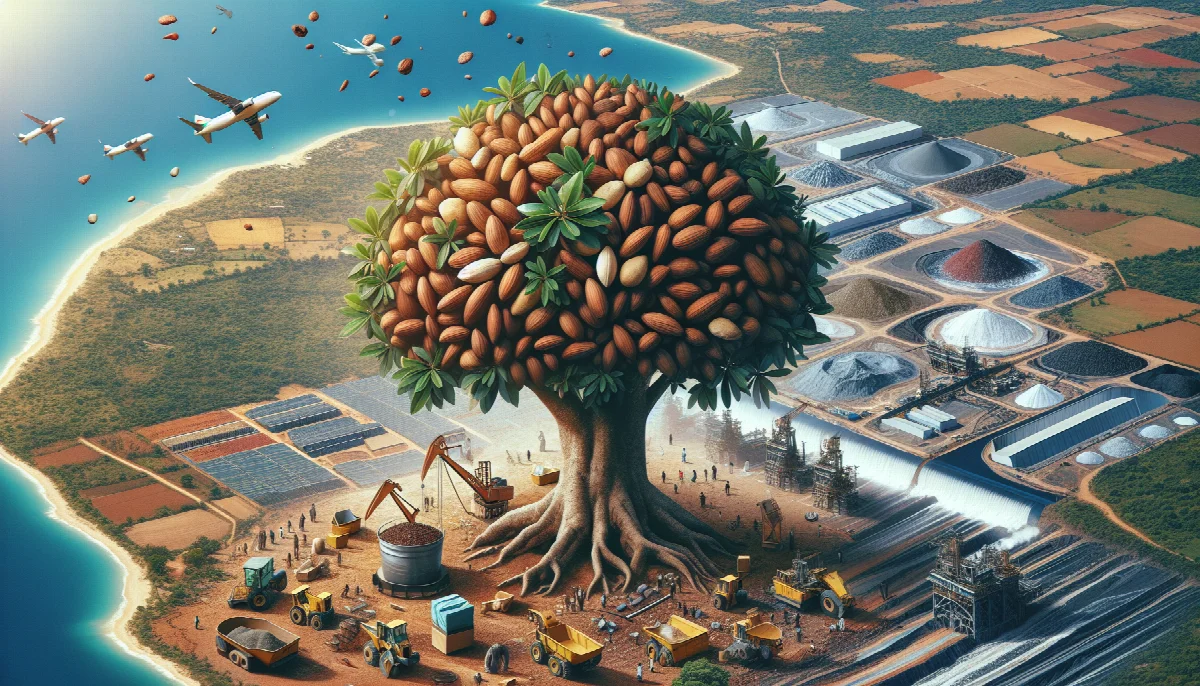
African governments are intensifying efforts to capture more value from natural resources, with Nigeria extending its ban on raw shea nut exports and Zimbabwe suspending all raw mineral and lithium concentrate shipments this week in coordinated moves to force domestic processing.
Nigerian President Bola Tinubu approved a one-year extension of the raw shea nut export ban on Wednesday, building on a six-month restriction imposed in 2025. According to Channels Television, the decision aims to stimulate domestic processing and protect Nigeria's shea industry, which has long exported unprocessed nuts while importing refined shea butter at higher prices. The government also withdrew all waivers that previously allowed direct raw shea nut exports and mandated adoption of an export framework established by the Nigerian Commodity Exchange.
The policy affects thousands of smallholder farmers across Nigeria's northern states who harvest shea nuts as a critical cash crop. While the ban seeks to build local refining capacity and create manufacturing jobs, it also restricts immediate income opportunities for rural producers who have traditionally sold raw nuts to international buyers, particularly from Asian markets.
Zimbabwe's Mineral Export Suspension Jolts Global Markets
Zimbabwe's Mines and Mining Development Minister announced Wednesday an immediate suspension of raw mineral and lithium concentrate exports, triggering sharp price movements in global commodity markets. New Zimbabwe reported that China's lithium carbonate futures jumped 6.07% to 178,020 yuan per metric ton on Thursday following the announcement, reflecting supply concerns as energy storage demand accelerates worldwide.
The Zimbabwe Miners Federation (ZMF) welcomed the government's decision, with federation president Henrietta Rushwaya pledging to expose corrupt ministry officials and middlemen who have exploited the sector. According to Mining Zimbabwe, Rushwaya stated the organization "will not hesitate to expose corrupt ministry officials and middlemen who have undermined the sector for years," signaling industry frustration with leakages in the export system.
Industry groups characterized the suspension as essential for maximizing returns from Zimbabwe's natural resources. The country holds Africa's largest lithium reserves and has emerged as a major supplier to Chinese battery manufacturers, but most material has left as concentrate rather than refined products commanding premium prices.
Value Addition Push Tests Processing Capacity
The simultaneous restrictions reflect a broader African strategy to move up commodity value chains, but implementation faces substantial challenges. Both Nigeria and Zimbabwe lack sufficient processing infrastructure to absorb current raw material production volumes, potentially creating bottlenecks that could strand farmer and miner revenues while facilities are constructed.
Nigeria's shea industry processes less than 20% of annual nut production domestically, with most refining capacity concentrated in Europe and Asia. The extended ban pressures investors to build local refineries, but such facilities require significant capital and technical expertise that may take years to materialize at scale.
Zimbabwe's lithium sector faces similar constraints. While several processing plants are under construction, including Chinese-backed facilities, current refining capacity falls far short of concentrate production levels. The export suspension effectively forces miners to either invest in downstream processing or halt operations until capacity expands.
The policies also carry diplomatic implications, particularly for Chinese companies that have invested heavily in African mining and agricultural commodity procurement. Beijing has not publicly commented on Zimbabwe's lithium suspension, but the price spike on Guangzhou futures markets indicates concern about supply reliability from a key source.
Regional trade dynamics may shift as well. If Nigeria and Zimbabwe succeed in building processing capacity, they could capture margins currently earned by foreign refiners while creating manufacturing employment. However, prolonged implementation delays risk driving buyers to alternative suppliers in Australia, Chile, and other producing nations less committed to beneficiation requirements.
The coming months will test whether African governments can translate export restrictions into functioning domestic processing industries, or whether capacity constraints force policy reversals that undermine value addition ambitions.