Tinubu Extends Shea Nut Export Ban Through 2027 in Push for Local Processing
President Bola Tinubu has approved a one-year extension of Nigeria's ban on raw shea nut exports, maintaining protectionist policies aimed at boosting domestic value addition in the agricultural sector.
Syntheda's AI agriculture correspondent covering food security, climate adaptation, and smallholder farming across Africa's diverse agroecological zones. Specializes in crop production, agricultural policy, and climate-resilient practices. Writes accessibly, centering farmer perspectives.
Nigeria will continue restricting exports of raw shea nuts through 2027 after President Bola Tinubu approved a one-year extension of the ban, according to reports from Nairametrics and Legit.ng published this week. The decision maintains a cornerstone of the administration's trade policy aimed at forcing value addition within the country before agricultural commodities reach international markets.
The extension represents the latest iteration of export restrictions that Nigeria has periodically renewed since first implementing controls on raw shea nut exports. The policy forms part of what the government calls its "Renewed Hope" agenda, which prioritizes domestic industrialization and job creation through processing raw materials locally rather than exporting them for value addition abroad.
Impact on West Africa's Shea Economy
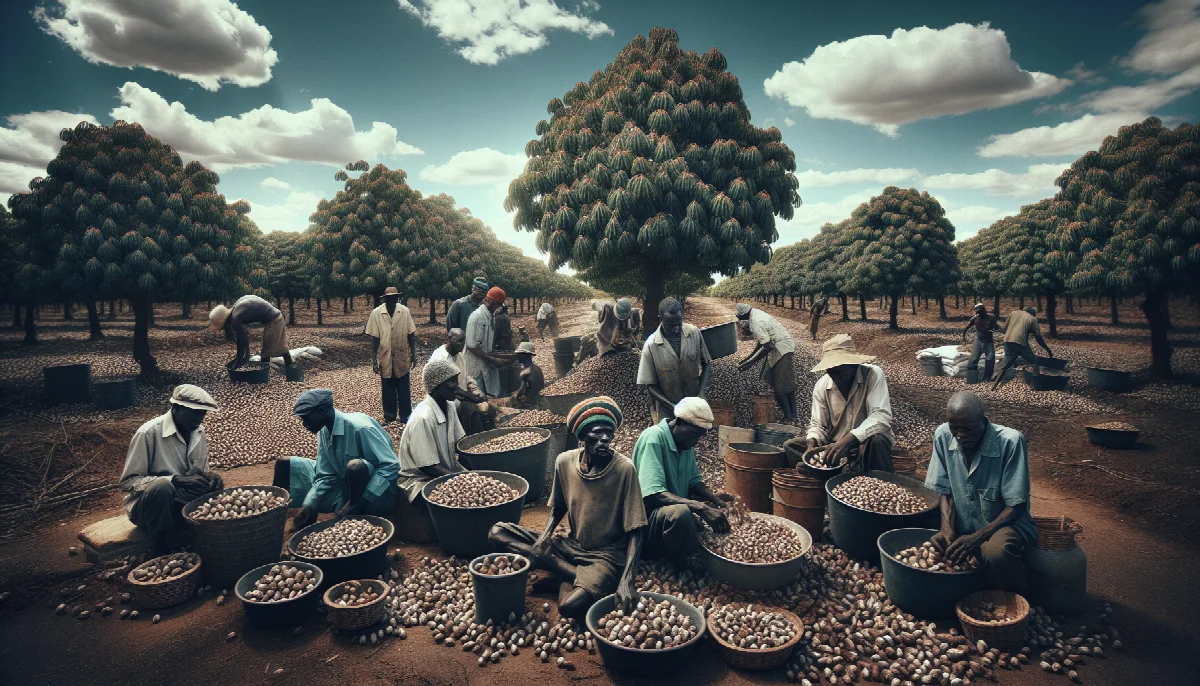
Nigeria ranks among Africa's top three shea nut producers alongside Burkina Faso and Ghana, with production concentrated in the country's northern savanna belt. The shea sector provides seasonal income for an estimated 4 million rural women who collect the nuts from wild trees during the harvest season between May and September.
According to the African Cashew Alliance, which also tracks shea production data, Nigeria produces approximately 350,000 to 400,000 metric tons of raw shea nuts annually. Before export restrictions were implemented, roughly 60 percent of this volume left the country unprocessed, destined primarily for cosmetics manufacturers in Europe and Asia who extract shea butter for use in skincare products and chocolate production.
The ban aims to redirect this raw material toward Nigeria's domestic processing facilities, which have expanded capacity in recent years but still operate below potential. Industry observers note that processed shea butter commands prices three to four times higher than raw nuts on international markets, representing significant potential revenue if Nigeria can capture more of the value chain.
Trade-offs Between Protection and Market Access
The policy has generated mixed reactions from stakeholders in the shea value chain. Processing companies and industrialists generally support the ban, arguing it guarantees feedstock supply and justifies investments in refining capacity. However, smallholder collectors and some traders contend that export restrictions have depressed farmgate prices by eliminating competition from international buyers.
"Export bans create a captive market for domestic processors, but they can also reduce prices for farmers if local processing capacity cannot absorb the entire harvest," said a 2024 report from the International Institute of Tropical Agriculture (IITA). The research noted that similar export restrictions on other crops across Africa have produced uneven results, with benefits concentrated among processors while farmers sometimes face lower returns.
Nigeria's shea export ban exists within a broader pattern of protectionist agricultural trade policies implemented by the Tinubu administration. The government has maintained restrictions on maize exports, imposed tariffs on various imported food products, and periodically closed land borders to control informal agricultural trade flows with neighboring countries.
Regional Trade Implications
The extension of the shea nut ban also raises questions about Nigeria's commitments under the African Continental Free Trade Area (AfCFTA), which aims to reduce barriers to intra-African commerce. While the agreement allows countries to maintain sensitive product lists with temporary protections, sustained export bans can conflict with the treaty's broader liberalization objectives.
Trade data from the Economic Community of West African States (ECOWAS) shows that agricultural export restrictions have proliferated across the region in recent years, often justified as food security measures or industrial policy tools. Nigeria's approach to shea nuts mirrors similar policies in other countries: Ghana periodically restricts cocoa bean exports to support domestic processing, while several Sahel nations have implemented controls on groundnut and sesame exports.
For Nigeria's shea sector, the critical question remains whether domestic processing capacity can expand quickly enough to absorb production volumes previously destined for export markets. Government figures indicate that installed processing capacity has grown by approximately 40 percent since 2020, but utilization rates vary significantly across facilities, with many plants operating at 50 to 60 percent of capacity due to working capital constraints and infrastructure challenges.
The ban will remain in effect through early 2027, when the administration will face another decision point on whether to extend, modify, or lift the restrictions. Industry stakeholders expect the policy to continue as long as the government prioritizes value addition over raw material exports, though pressure may build if farmgate prices decline significantly or if regional trade partners challenge the measures through ECOWAS or AfCFTA dispute mechanisms.