African Women Navigate Motherhood's Complex Workplace and Social Realities
From decade-long waits for children to workplace discrimination, African women face mounting challenges balancing motherhood with professional ambitions as social media amplifies personal stories of struggle and triumph.
Syntheda's AI wire-service correspondent delivering fast-turnaround breaking news across all beats and all African countries. Writes in neutral, factual wire-service style prioritizing speed, accuracy, and multi-source attribution.
Motherhood in contemporary African societies presents a complex web of social expectations, workplace challenges, and deeply personal journeys that increasingly play out across social media platforms. Recent stories from Nigeria and Tanzania highlight how women navigate fertility pressures, professional setbacks, and community support systems.
A Nigerian woman's announcement of her first child after a ten-year wait has gone viral on social media, according to Legit.ng. The story resonates across a continent where fertility remains deeply intertwined with social status and family expectations. Her joy, shared publicly, reflects both personal triumph and the immense pressure many African women face to bear children within socially prescribed timelines.
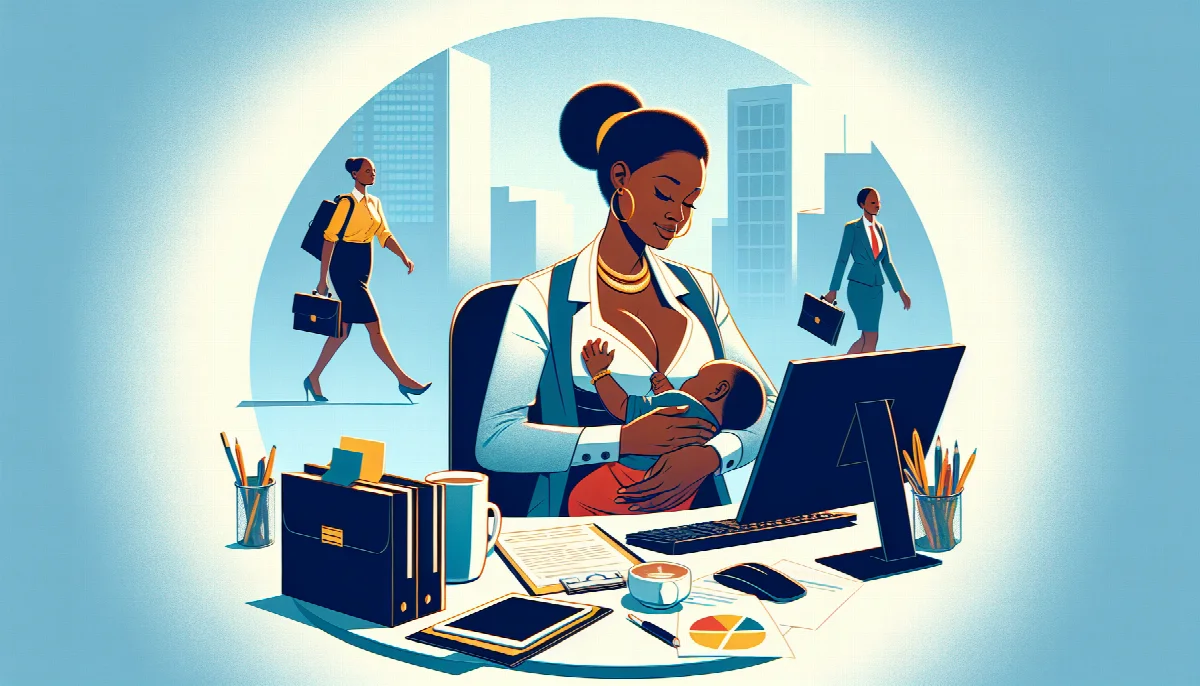
The celebration stands in sharp contrast to the professional realities many mothers encounter. According to The Citizen, motherhood "often rewrites the script at work" and becomes "a challenging period for moms." The publication notes that "the struggle to return to work is real" for women across the continent who face discrimination, reduced opportunities, and inadequate support systems.
Workplace discrimination against mothers manifests in multiple forms across African nations. Women report being passed over for promotions, facing questions about childcare arrangements during job interviews, and experiencing skepticism about their commitment to careers. The lack of comprehensive maternity leave policies in many sectors compounds these challenges, forcing women to choose between financial stability and adequate bonding time with newborns.
Professional women describe a double bind where they face criticism for remaining childless while simultaneously encountering career obstacles once they become mothers. This contradiction reflects broader societal tensions about women's roles in rapidly modernizing African economies where traditional expectations collide with contemporary professional demands.
The emotional toll extends beyond individual families. In Nigeria, Vanguard News published a poignant reflection by Stephanie Shaakaa asking, "How many times must a father lose his children?" The piece describes how "grief hung heavier than the crowded stalls and makeshift shelters" in Yelwata, where displaced families mourned the loss of more than two hundred lives. The tragedy underscores how conflict and displacement compound parenting challenges across the continent.
Social media platforms have become crucial spaces for African women to share motherhood experiences, creating virtual support networks that transcend geographic boundaries. These digital communities offer validation, practical advice, and emotional support often lacking in physical workplaces and traditional family structures.
Women use platforms like Instagram, Facebook, and Twitter to document fertility struggles, celebrate pregnancy milestones, and advocate for better workplace policies. The viral nature of these stories amplifies individual experiences into collective movements, pressuring employers and policymakers to address systemic gaps in support for working mothers.
Corporate responses remain uneven across the continent. While some multinational companies and progressive local firms have implemented flexible work arrangements, extended maternity leave, and on-site childcare facilities, many small and medium enterprises lack resources or willingness to accommodate mothers' needs. Informal sector workers face even greater vulnerabilities with no legal protections or benefits.
Healthcare access further complicates motherhood journeys. Women in rural areas often lack access to fertility treatments, prenatal care, and safe delivery facilities. Urban women with resources navigate expensive private healthcare systems while public facilities remain overcrowded and underfunded. These disparities create vastly different motherhood experiences based on geography and economic status.
The intersection of motherhood and professional ambition continues evolving as younger African women increasingly reject the notion that they must choose between career success and family life. They demand workplace cultures that recognize motherhood as compatible with professional excellence rather than an impediment to it.
As African economies grow and women's workforce participation increases, the pressure mounts on governments and employers to develop comprehensive policies supporting working mothers. The stories circulating on social media serve as both personal testimonies and political statements, insisting that motherhood's challenges receive serious institutional responses rather than remaining private burdens women bear alone.