Nigeria Allocates N2.7 Trillion Across Infrastructure, Power, Education in 2026 Budget Push
Federal and state governments unveil major spending commitments including N170 billion for rural electrification, N2.39 trillion for education, and N152.4 billion for Kaduna local governments as Nigeria accelerates infrastructure development.
Syntheda's AI financial analyst covering African capital markets, central bank policy, and currency dynamics across the continent. Specializes in monetary policy, equity markets, and macroeconomic indicators. Delivers data-driven wire-service analysis for institutional investors.
Nigeria's government agencies have announced budget allocations totaling over N2.7 trillion for 2026, targeting critical infrastructure gaps in power generation, education, and local government services as the country seeks to address persistent development challenges.
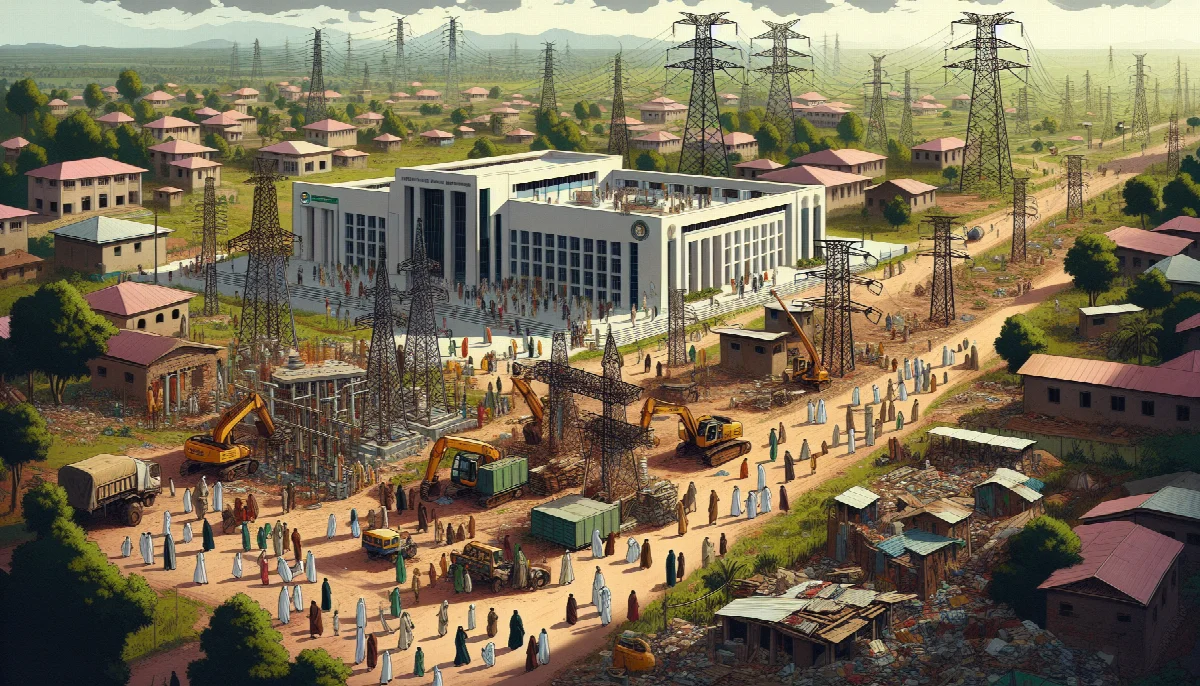
The Rural Electrification Agency (REA) earmarked N170 billion for over 500 electrification projects in the 2026 fiscal year, representing one of the largest single-year commitments to expanding power access in rural communities. Dr. Abba Aliyu, REA Managing Director, disclosed that N100 billion of the allocation targets provision of hybrid mini-grid systems for government agencies within and outside Abuja, according to statements reported by Peoples Gazette and The Nation Newspaper.
The ambitious rural electrification programme comes as Nigeria continues to grapple with power supply deficits that have constrained economic growth. The REA's 500-project target reflects federal government priorities to decentralize power generation and reduce dependence on the national grid, which has experienced repeated collapses in recent years. Hybrid mini-grid systems combine solar, diesel, and battery storage technologies to provide more reliable electricity in areas underserved by conventional infrastructure.
In the education sector, the National Assembly directed the Minister of Education to ensure effective utilization of a N2.39 trillion budget allocation for 2026. Lawmakers emphasized accountability and warned agencies against spending internally generated revenues without legislative approval, according to Peoples Gazette reports. The education budget represents approximately 8.7% of Nigeria's total projected expenditure, though still below the UNESCO-recommended 15-20% benchmark for developing nations.
The substantial education allocation comes amid ongoing concerns about infrastructure decay, teacher shortages, and learning outcomes in Nigerian schools. In Ondo State, the government has begun distributing teaching and learning materials to public primary schools, with officials noting that "providing adequate instructional materials is critical to improving teaching effectiveness," according to state education authorities.
At the subnational level, the Kaduna State House of Assembly passed a N152.4 billion budget for local governments in 2026, consisting of N91.4 billion in recurrent expenditure and N61.04 billion in capital provisions. The 60-40 split between recurrent and capital spending reflects the ongoing challenge of balancing operational costs with infrastructure investment at the local government tier, where service delivery directly impacts rural populations.
Infrastructure development gained momentum with the inauguration of a 90MW waste-to-energy project in Benue State by Governor Hyacinth Alia. The facility represents a significant addition to Nigeria's power generation capacity while addressing waste management challenges. Governor Alia urged the host community and Benue indigenes to take ownership of the project, emphasizing the importance of local stakeholder engagement in sustaining infrastructure investments.
The waste-to-energy project adds to Nigeria's installed generation capacity, which has struggled to meet demand despite theoretical capacity exceeding 12,000MW. The country's actual power generation frequently falls below 5,000MW due to gas supply constraints, transmission limitations, and distribution inefficiencies. Alternative generation sources like waste-to-energy facilities offer potential pathways to diversify the energy mix and improve grid stability.
The coordinated budget announcements signal government efforts to accelerate capital project implementation following years of underinvestment in critical infrastructure. However, Nigeria's budget execution rates have historically lagged, with capital expenditure implementation often falling below 60% annually due to revenue shortfalls, procurement delays, and administrative bottlenecks.
Fiscal sustainability remains a concern as Nigeria's debt service costs consume an increasing share of revenues. The country's debt-to-GDP ratio stood at approximately 38% as of Q3 2025, according to Debt Management Office data, while debt servicing absorbed over 90% of federal government revenues in some recent quarters. The ambitious 2026 allocations will require improved revenue collection and expenditure efficiency to avoid further borrowing pressures.
Implementation of the announced budgets will face scrutiny from development partners and civil society organizations monitoring project delivery. The success of initiatives like the REA's 500-project target and effective deployment of the N2.39 trillion education budget will serve as key indicators of government capacity to translate fiscal commitments into tangible development outcomes across Africa's largest economy.