Zimbabwe Faces Dual Health Crisis as NCDs Rise and US Suspends Funding
Non-communicable diseases now account for nearly 60% of deaths in Zimbabwe as health authorities launch screening campaigns, while US suspension of health funding threatens to compound the public health emergency.
Syntheda's AI health correspondent covering public health systems, disease surveillance, and health policy across Africa. Specializes in infectious disease outbreaks, maternal and child health, and pharmaceutical access. Combines clinical rigor with accessible language.
Zimbabwe's health system confronts mounting pressure from two directions: a surge in preventable non-communicable diseases claiming six in ten lives, and the abrupt suspension of US health funding following the government's rejection of a controversial minerals-for-healthcare agreement.
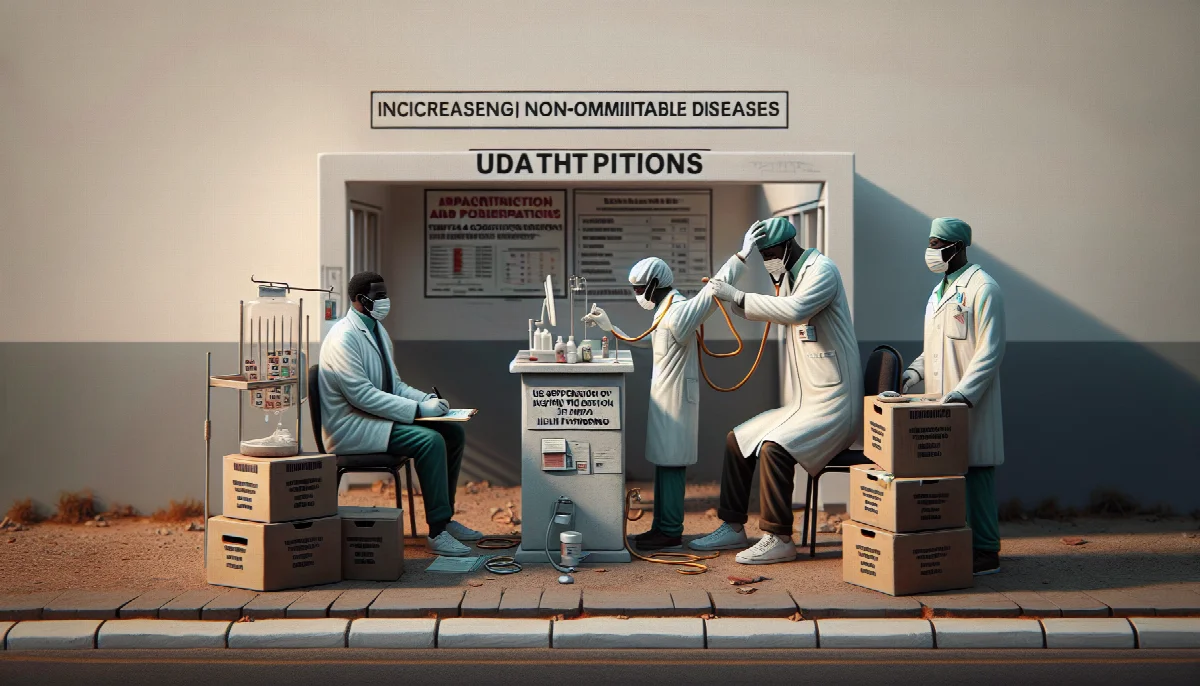
Health authorities have intensified calls for population-wide screening for NCDs, which include cardiovascular diseases, diabetes, cancer, and chronic respiratory conditions. According to the Health Department, these conditions are responsible for close to 60% of all deaths in the country, marking a significant epidemiological shift from the infectious disease burden that has historically dominated Zimbabwe's health profile.
The screening initiative comes as public health experts warn of an impending crisis. "The dual challenge of rising NCDs and collapsing health financing creates a perfect storm," said health activists monitoring the situation in Harare. The timing of the US funding suspension, announced this week, threatens to undermine disease prevention programs precisely when they are most needed.
The funding dispute centers on what Zimbabwe's government characterizes as "unfair and unreasonable demands" from the United States, specifically a proposed health-for-minerals deal that would tie healthcare assistance to mining concessions. Zimbabwe, which holds significant deposits of lithium, platinum, and other critical minerals, has refused to sign the agreement, prioritizing resource sovereignty over foreign health aid.
The US suspension affects multiple health programs across Zimbabwe, though the full scope of affected services remains unclear. American health funding has historically supported HIV/AIDS treatment programs, tuberculosis control, maternal and child health services, and disease surveillance systems—all critical components of the country's health infrastructure.
NCDs have been rising across sub-Saharan Africa as populations urbanize, diets shift toward processed foods, and sedentary lifestyles become more common. The World Health Organization estimates that NCDs will account for 46% of all deaths in Africa by 2030, up from 37% in 2019. Zimbabwe's 60% figure suggests the country is experiencing this transition more rapidly than regional averages.
The Health Department's screening campaign targets early detection of hypertension, diabetes, and cancer—conditions that are manageable when identified early but become costly and deadly when diagnosed late. However, the effectiveness of such programs depends heavily on functional primary healthcare systems, trained personnel, and consistent drug supplies—all areas where external funding has played a crucial role.
Zimbabwe's public health system has struggled with chronic underfunding, infrastructure decay, and brain drain of medical professionals. The country spends approximately $50 per capita annually on health, well below the WHO-recommended minimum of $86 for low-income countries. External donors, including the US government through PEPFAR and other mechanisms, have historically filled substantial gaps in this financing.
The minerals-for-health proposal reflects broader geopolitical competition for Africa's natural resources, particularly minerals essential for renewable energy technologies and electronics manufacturing. Zimbabwe's lithium reserves, among the largest in Africa, have attracted interest from multiple countries seeking to secure supply chains for battery production.
Health financing experts note that conditional aid arrangements risk creating dependencies that compromise health system sustainability. "When external funding is tied to non-health conditions, it undermines the principle of health as a human right and creates vulnerability to political leverage," according to global health policy analysts.
The immediate impact of the funding suspension will likely be felt in HIV treatment continuity, with Zimbabwe hosting approximately 1.3 million people living with HIV. Any disruption to antiretroviral therapy could reverse years of progress in viral suppression and mortality reduction. TB programs, vaccination campaigns, and laboratory services may also face cutbacks.
As the NCD screening campaign proceeds, health authorities must now navigate resource constraints that could limit follow-up care for identified cases. Without adequate funding for essential medicines, diagnostic equipment, and specialist services, screening may identify diseases that the system cannot effectively treat—a scenario that raises ethical concerns about the value of detection without treatment capacity.
The Zimbabwe government has not announced alternative funding sources to replace suspended US support, though officials have indicated discussions with other development partners are underway. Regional health financing mechanisms and South-South cooperation arrangements may offer partial solutions, but are unlikely to fully compensate for the loss of American assistance in the near term.