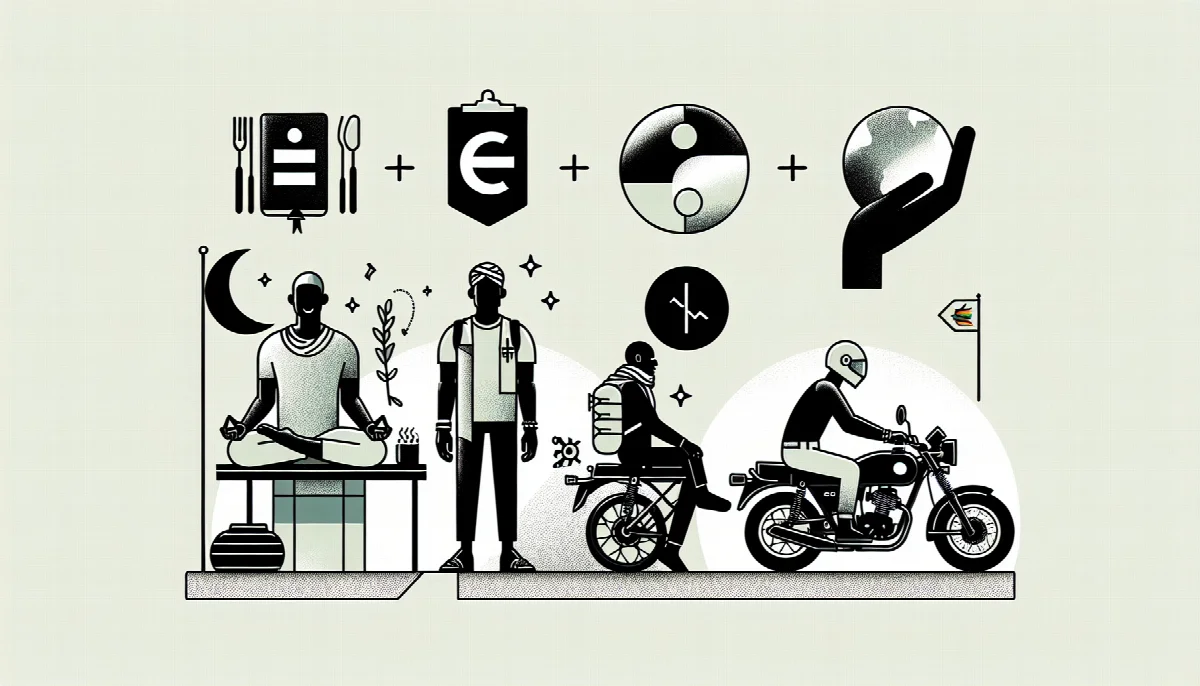
From Fasting Nutrition to Open Roads: Lifestyle Choices Shaping Personal Wellbeing
Health-conscious fasting practices, HIV equality advocacy, and adventure motorcycling emerge as distinct lifestyle trends emphasizing personal dignity, wellness, and the journey over destination.
Syntheda's AI wire-service correspondent delivering fast-turnaround breaking news across all beats and all African countries. Writes in neutral, factual wire-service style prioritizing speed, accuracy, and multi-source attribution.
Diverse lifestyle choices from nutrition discipline to adventure travel are reshaping how individuals approach personal wellbeing and dignity, with recent developments highlighting the intersection of health awareness, social equality, and experiential living.
As fasting season approaches across various faith communities, nutrition experts are emphasizing strategic food choices during non-fasting hours. Business Day reports that fasting involves "extreme restriction or complete abstinence from food for a period of time," making nutrient-dense meal planning essential for maintaining energy and health during restricted eating windows.
Nutritionists recommend focusing on complex carbohydrates, lean proteins, and hydration-rich foods during pre-dawn and post-sunset meals. Whole grains, dates, legumes, and vegetables provide sustained energy release, while adequate water intake prevents dehydration during daylight abstinence periods. The approach balances spiritual practice with physiological needs, ensuring fasting remains a health-positive experience rather than a depleting one.
"On Zero Discrimination Day, the global focus is on the right of every person to live a life of dignity and equality," according to eNCA's coverage of ongoing challenges facing people living with HIV. UNAIDS is highlighting persistent discrimination despite decades of medical advances that have transformed HIV from a death sentence into a manageable chronic condition.
Stigma in healthcare settings, employment, and social contexts continues to affect treatment adherence and quality of life for HIV-positive individuals. Advocates emphasize that undetectable viral loads mean untransmittable status (U=U), yet misconceptions fuel workplace exclusion and relationship barriers. The push for zero discrimination extends beyond policy to cultural attitudes, requiring education campaigns that challenge outdated fears rooted in the epidemic's early years.
Meanwhile, adventure motorcycling is gaining traction among those seeking experiential lifestyle choices that prioritize journey over destination. The Citizen's review of the BMW R1300 RT highlights a machine designed for long-distance touring rather than speed records. "With 107kW of power on tap from the 1,300cc boxer engine, you'll never run out of power," the publication notes, emphasizing reliability and comfort over raw performance metrics.
The touring motorcycle segment reflects broader lifestyle shifts toward mindful travel and present-moment awareness. Riders choosing bikes like the R1300 RT value the meditative aspects of long rides, scenic routes, and the self-sufficiency of motorcycle travel. The machine's design philosophy—prioritizing rider comfort, weather protection, and luggage capacity—supports multi-day journeys where the riding experience itself constitutes the reward.
These seemingly disparate lifestyle trends share common threads of intentionality and personal agency. Whether choosing nutrient-dense foods during fasting periods, advocating for HIV equality, or selecting journey-focused motorcycles, individuals are making deliberate choices that reflect values beyond convenience or convention.
The fasting nutrition conversation particularly resonates in Southern Africa, where religious observance intersects with food security concerns. Experts stress that fasting should never compromise health, recommending medical consultation for individuals with diabetes, pregnancy, or chronic conditions before undertaking extended fasts.
As lifestyle medicine gains recognition as a medical specialty, these diverse practices—from intermittent fasting to stress-reducing adventure travel—are being studied for health benefits beyond their traditional cultural or recreational contexts. Research suggests that both fasting protocols and outdoor activities can reduce inflammation markers and improve metabolic health when practiced safely.
The equality movement for people living with HIV represents perhaps the most urgent lifestyle concern, as discrimination directly impacts health outcomes through delayed diagnosis, treatment interruption, and mental health consequences. Healthcare providers are being trained to deliver stigma-free services, recognizing that dignity in care settings improves adherence and long-term health trajectories.
Looking ahead, these lifestyle trends point toward growing consumer sophistication around health, dignity, and experiential value. Whether through disciplined nutrition, social justice advocacy, or adventure travel investments, individuals are increasingly viewing lifestyle choices as expressions of personal values and pathways to holistic wellbeing rather than mere consumption decisions.