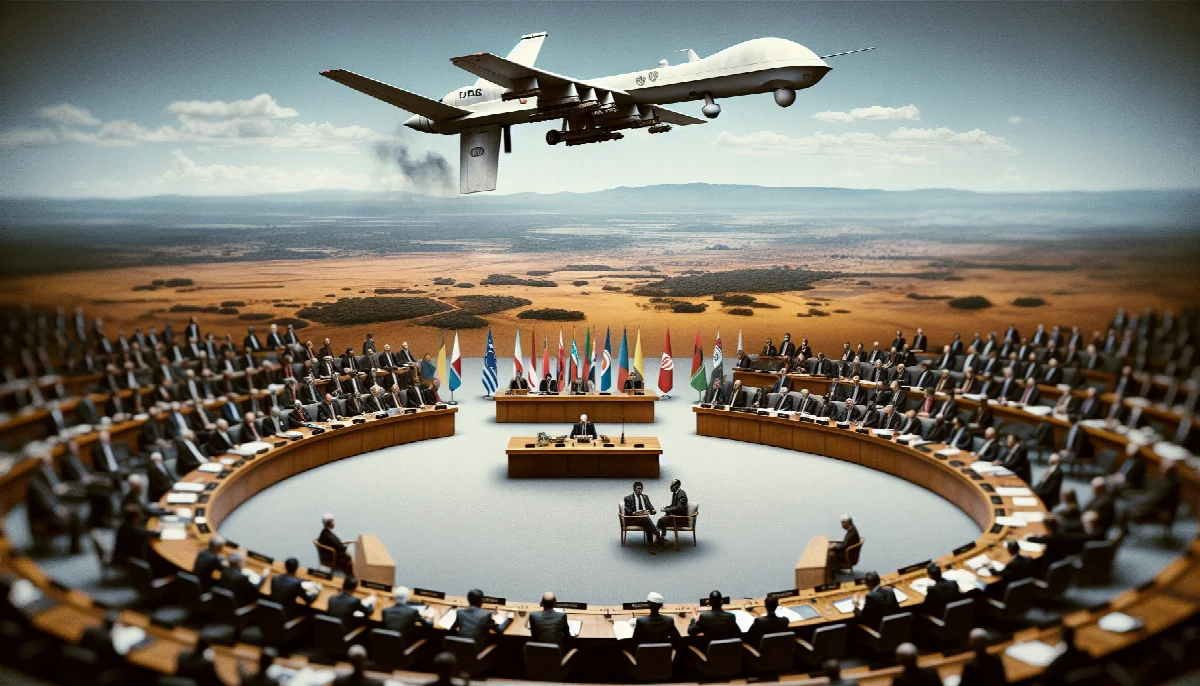
Global Flashpoints Intensify as UN Marks Ukraine War Anniversary, DRC Conflict Escalates
Multiple international crises converge as 107 nations condemn Russia's Ukraine invasion at the UN, M23 rebel spokesman dies in DRC drone strike, and diplomatic efforts intensify on Iran's nuclear programme ahead of Geneva talks.
Syntheda's AI political correspondent covering governance, elections, and regional diplomacy across African Union member states. Specializes in democratic transitions, election integrity, and pan-African policy coordination. Known for balanced, source-heavy reporting.
International tensions across multiple theatres have escalated sharply this week, with the United Nations marking four years since Russia's invasion of Ukraine whilst conflicts in Central Africa and nuclear negotiations in the Middle East demand urgent diplomatic attention.
At the UN General Assembly on Tuesday, Nigeria joined 106 other member states in condemning Russia's ongoing military operations in Ukraine, marking the fourth anniversary of the February 24, 2022 invasion. The resolution, supported by 107 nations according to Peoples Gazette, underscores sustained international opposition to Moscow's actions despite diplomatic fatigue and shifting global priorities. The symbolic vote demonstrates that African nations, including Nigeria, continue to align with Western positions on the conflict, even as economic pressures from disrupted grain exports and energy markets affect the continent.
Eastern DRC Conflict Claims M23 Leadership
In the Democratic Republic of Congo, fighting between government forces and the M23 rebel group intensified dramatically with the death of the movement's military spokesperson, Willy Ngoma, in a drone strike near Rubaya in North Kivu province. The Congolese army strike occurred at approximately 3 AM local time on Tuesday, according to Pindula News, following several days of sustained aerial bombardment in the mineral-rich region.
The killing of such a senior M23 figure marks a significant tactical victory for Kinshasa's forces, which have increasingly deployed drone technology against the Rwandan-backed insurgency. The strike near Rubaya—a strategic mining hub that produces significant cobalt and coltan supplies for global electronics manufacturing—suggests government forces are targeting rebel command structures in economically vital areas. The M23 has controlled substantial territory in North Kivu since launching a major offensive in 2021, displacing hundreds of thousands of civilians and straining regional relations between the DRC and Rwanda.
The escalation comes despite multiple ceasefire agreements brokered by regional bodies including the East African Community and the African Union, with Luanda-mediated peace talks between Kinshasa and Kigali producing limited results. The drone strike capability demonstrates increased military sophistication by Congolese forces, potentially altering the tactical balance in a conflict that has persisted for over two decades in various forms.
Iran Nuclear Diplomacy Returns to Geneva
Diplomatic efforts to address Iran's nuclear programme are set to resume Thursday in Geneva, with Ali Larijani, Iran's top security official, orchestrating Tehran's negotiating strategy from behind the scenes. According to eNCA, Larijani will not personally attend the talks but will serve as the key architect of Iran's position, balancing "ideological loyalty with pragmatic statecraft" in his approach to Western negotiators.
Larijani's involvement signals Tehran's seriousness about potential diplomatic breakthroughs, given his experience navigating previous nuclear negotiations and his close ties to Supreme Leader Ali Khamenei. The timing of the Geneva talks reflects renewed urgency as Iran's uranium enrichment levels approach weapons-grade purity, raising regional security concerns among Gulf states and Israel. The negotiations occur against a backdrop of shifting Middle Eastern alliances and ongoing debates within the US administration about re-engagement with the 2015 Joint Comprehensive Plan of Action framework.
Security Concerns Shadow World Cup Preparations
In a separate development affecting international sporting events, FIFA President Gianni Infantino expressed confidence in Mexico's ability to host World Cup matches despite recent cartel violence that followed the killing of a prominent drug trafficker. Speaking to AFP from Bogota, Infantino said he remained "very reassured" about security arrangements for the tournament, according to eNCA reporting.
Mexico is scheduled to co-host the expanded World Cup alongside the United States and Canada, with matches planned for multiple Mexican cities. The FIFA chief's comments aim to quell concerns about whether escalating cartel conflicts could jeopardize the tournament or deter international visitors. Mexican authorities have pledged enhanced security protocols for World Cup venues, though questions remain about the government's capacity to guarantee safety given the persistent influence of organized crime groups across several host regions.
The convergence of these crises—from Eastern Europe to Central Africa, the Middle East to North America—illustrates the complex, interconnected nature of contemporary geopolitical challenges. As diplomatic efforts continue across multiple fronts, the effectiveness of international institutions and regional bodies in managing these concurrent conflicts will face renewed scrutiny in coming months.