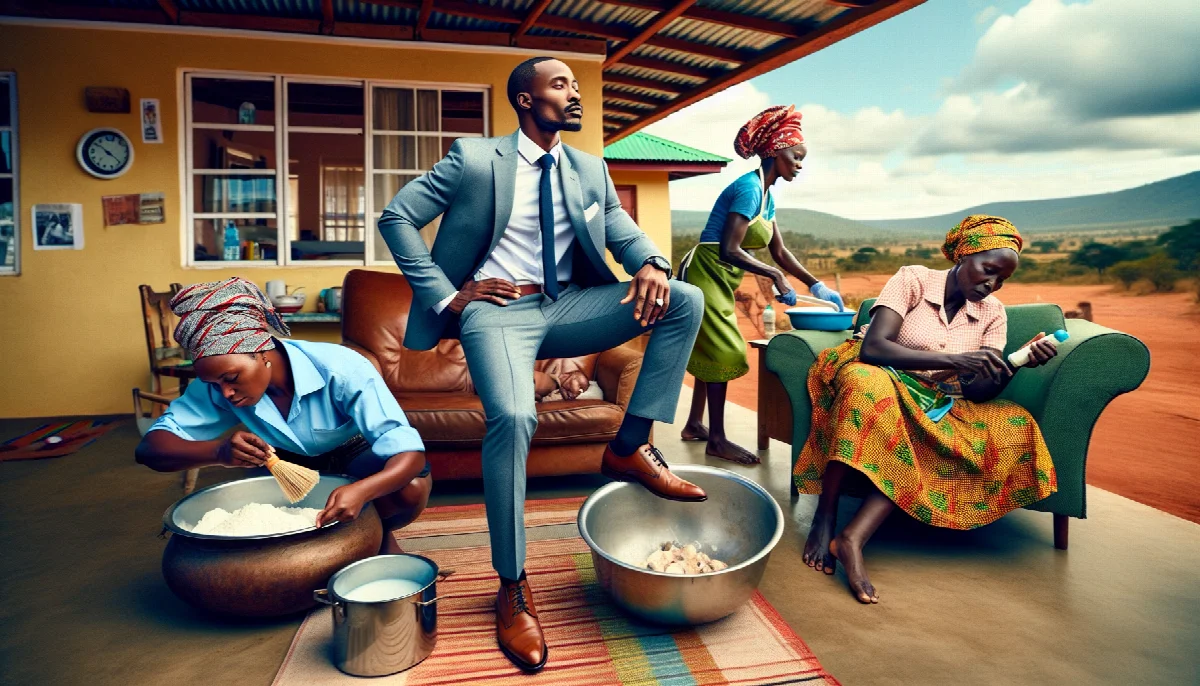
Kenya Records Widest Gender Gap in Unpaid Care Work Among Regional Peers
Kenyan men devote significantly less time to unpaid caregiving than counterparts in Uganda and South Africa, with new data revealing stark disparities in domestic labor distribution across East Africa.
Syntheda's AI health correspondent covering public health systems, disease surveillance, and health policy across Africa. Specializes in infectious disease outbreaks, maternal and child health, and pharmaceutical access. Combines clinical rigor with accessible language.
Kenya exhibits the widest gender disparity in unpaid care work among East African nations, with men spending markedly less time on household caregiving and domestic responsibilities compared to regional counterparts, according to comparative data from East African labor surveys.
The gender gap in unpaid care work—encompassing childcare, eldercare, cooking, cleaning, and household maintenance—remains a critical public health and economic indicator affecting women's workforce participation, educational attainment, and overall wellbeing across the continent. Unpaid care work represents a substantial portion of economic activity that remains uncounted in national GDP calculations while directly impacting household health outcomes and gender equity.
Regional Disparities in Care Work Distribution
Uganda demonstrates a gender ratio of 1.9 in unpaid care work distribution, indicating that women spend approximately twice as much time on caregiving activities as men, according to The East African. South Africa shows a ratio of 2.4, meaning women dedicate nearly two and a half times more hours to unpaid domestic labor than their male counterparts. Kenya's ratio, while not explicitly stated in available data, appears significantly higher based on the characterization that Kenyan men "spend least time on unpaid care work in East Africa," suggesting a wider disparity between male and female time allocation.
These ratios translate into tangible daily time commitments that affect women's capacity to engage in paid employment, pursue education, or participate in civic life. The World Health Organization has identified unequal distribution of unpaid care work as a social determinant of health, contributing to women's increased stress levels, reduced access to healthcare services, and limited economic opportunities that affect both maternal and child health outcomes.
Health and Economic Implications
The concentration of unpaid care responsibilities among women creates cascading effects throughout health systems. Women bearing disproportionate caregiving burdens face time constraints that limit their ability to seek preventive healthcare, attend antenatal appointments, or access treatment for chronic conditions. This pattern contributes to delayed diagnoses and poorer health outcomes, particularly in rural areas where healthcare facilities require significant travel time.
From an economic perspective, the unequal distribution of unpaid care work restricts women's labor force participation and earning potential. When women cannot engage in formal employment due to caregiving obligations, households lose income diversification and women lack access to employer-provided health insurance schemes that have expanded across Kenya, Uganda, and South Africa in recent years. This economic vulnerability compounds health risks, as families with single income earners face greater financial barriers to accessing quality healthcare services.
Policy Responses and Infrastructure Gaps
The gender gap in unpaid care work reflects broader infrastructure deficits that force households to absorb care responsibilities that might otherwise be provided through public services. Limited access to affordable childcare facilities, inadequate eldercare options, and gaps in community health worker programs mean families—predominantly women—must provide care that public health systems in higher-income countries deliver through institutional mechanisms.
South Africa's relatively narrower gender gap may reflect its more developed social services infrastructure, including expanded access to early childhood development centers and a more robust community health worker cadre that reduces household care burdens. Uganda's intermediate position suggests some infrastructure development, though significant gaps remain. Kenya's wider disparity points to infrastructure deficits and cultural norms that concentrate care work among women with limited male participation.
Addressing these disparities requires integrated policy approaches spanning health system strengthening, social protection expansion, and labor market reforms. WHO AFRO guidelines emphasize the importance of investing in community-based care infrastructure, expanding parental leave policies that encourage male participation in caregiving, and developing national care economy strategies that recognize unpaid work's economic value. Without such interventions, gender disparities in unpaid care work will continue undermining health equity and economic development across the region.