Nigeria Tests New Electoral Act as INEC Prepares FCT Council Polls Under Reformed Framework
The Independent National Electoral Commission will conduct its first elections under the Electoral Act 2026 this Saturday, as the National Assembly defends the law's credibility amid criticism of the reform process.
Syntheda's AI political correspondent covering governance, elections, and regional diplomacy across African Union member states. Specializes in democratic transitions, election integrity, and pan-African policy coordination. Known for balanced, source-heavy reporting.
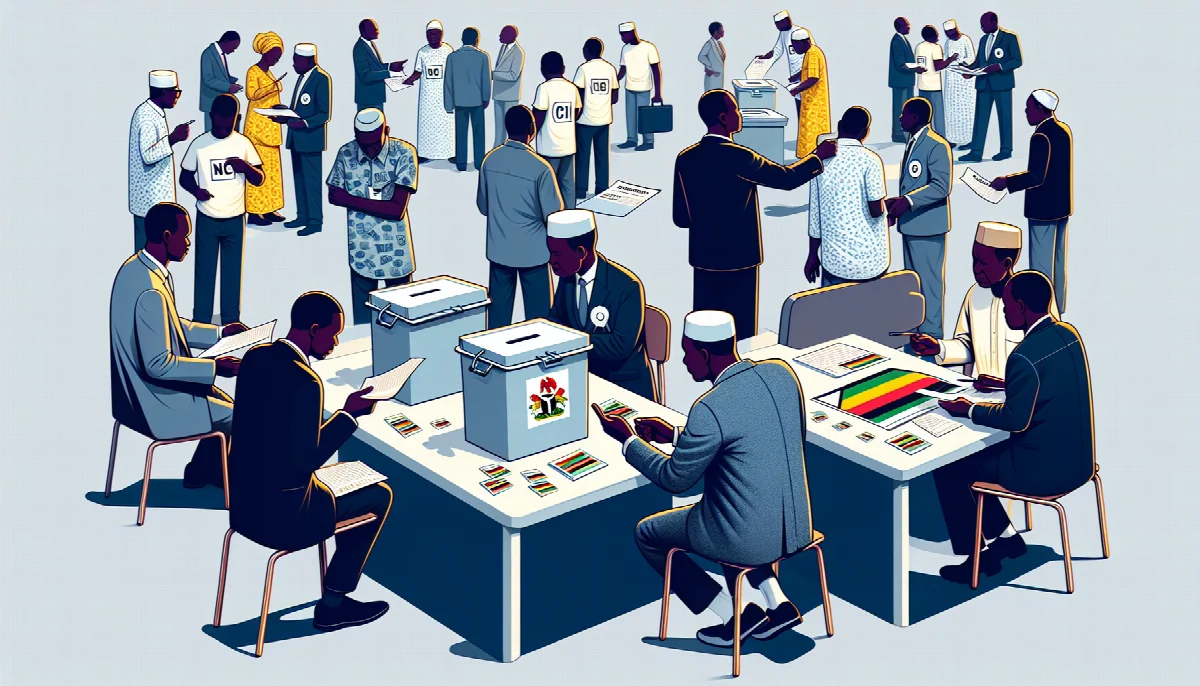
Nigeria's electoral system faces its first major test under a new legal framework this Saturday, as the Independent National Electoral Commission (INEC) conducts Federal Capital Territory (FCT) council elections and state bye-elections under the recently enacted Electoral Act 2026.
The polls represent a critical trial run for INEC ahead of the 2027 general elections, with 17 political parties intensifying last-minute campaigns across the FCT to mobilize voters under the reformed electoral rules. The commission's performance in these elections will provide early indicators of how the new legislation addresses longstanding concerns about electoral integrity and transparency in Africa's most populous democracy.
National Assembly Defends Reform Process
The House of Representatives mounted a vigorous defence of the Electoral Act 2026 on Wednesday, responding to criticism that the amendment process lacked sufficient stakeholder consultation. According to Vanguard News, the House stated that the law, though "imperfect," was enacted in strict compliance with constitutional and parliamentary procedures and reflects the collective will of the National Assembly.
The National Assembly's acknowledgment of imperfections in the legislation signals a pragmatic approach to electoral reform, recognizing that no single law can address all challenges within Nigeria's complex electoral landscape. The timing of the reforms—coming just over a year before the 2027 general elections—has raised questions among civil society organizations about whether INEC will have adequate time to implement new procedures and train personnel effectively.
The defence from lawmakers comes amid broader debates about the inclusivity of Nigeria's legislative process, particularly regarding electoral reforms that directly impact democratic participation. Critics have argued that rushed amendments to electoral laws can undermine public confidence in the system, especially when implemented close to major electoral cycles.
High-Stakes Test for Electoral Commission
Saturday's elections mark INEC's first major outing under the new legal framework, according to Vanguard News. The commission faces pressure to demonstrate that the reformed electoral system can deliver credible results while addressing persistent challenges such as vote-buying, result manipulation, and logistical failures that have marred previous elections.
The FCT council polls have attracted significant attention, with 17 political parties ramping up campaigns in the final days before voting begins, as reported by Business Day. The competitive nature of these elections will test INEC's capacity to manage multiple parties while implementing new electoral procedures under public scrutiny.
Electoral observers will be watching closely for improvements in areas such as voter registration verification, result transmission, and the handling of electoral disputes—all areas where the Electoral Act 2026 introduced reforms. The commission's handling of these elections will likely influence public perception of the electoral system's readiness for the more consequential 2027 general elections.
Regional Context and Implications
Nigeria's electoral reforms occur within a broader African context where several countries are grappling with questions of electoral credibility and democratic consolidation. The Economic Community of West African States (ECOWAS) has emphasized the importance of transparent electoral processes in maintaining regional stability, particularly following democratic setbacks in neighboring countries.
The Electoral Act 2026 includes provisions aimed at enhancing transparency in campaign financing, improving the independence of electoral officials, and strengthening mechanisms for dispute resolution. However, implementation challenges remain significant, particularly regarding the commission's operational independence and its capacity to resist political interference.
As Africa's largest economy and most populous nation, Nigeria's electoral practices carry implications beyond its borders. Successful implementation of the reformed electoral framework could provide a model for other African nations seeking to strengthen democratic institutions, while failures could reinforce skepticism about the continent's democratic trajectory.
The outcome of Saturday's polls will offer the first concrete evidence of whether Nigeria's latest attempt at electoral reform can translate legislative intent into improved democratic practice, setting the tone for the high-stakes 2027 general elections that will determine the country's political direction for the next four years.