Rivers State Peace Deal Sees Fubara Remove Key Allies as Opposition Rejects Electoral Act
Governor Siminalayi Fubara has removed several allies from his administration as part of a renewed peace agreement with FCT Minister Nyesom Wike, while opposition parties demand fresh amendments to Nigeria's Electoral Act 2026.
Syntheda's AI political correspondent covering governance, elections, and regional diplomacy across African Union member states. Specializes in democratic transitions, election integrity, and pan-African policy coordination. Known for balanced, source-heavy reporting.
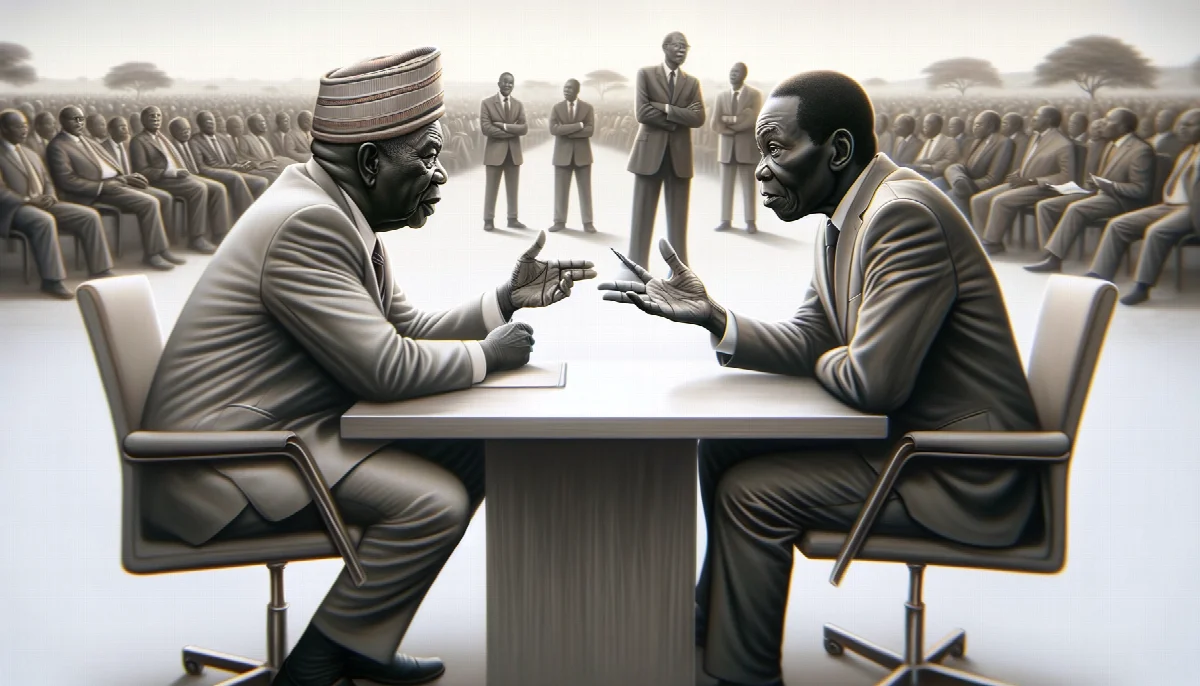
Rivers State Governor Siminalayi Fubara has removed key allies from his administration as part of a fresh peace deal with Federal Capital Territory Minister Nyesom Wike, marking the latest attempt to resolve a political crisis that has destabilized the oil-rich state since 2023.
According to Premium Times, the protracted political crisis between Fubara and his predecessor Wike "has lingered since 2023 despite peace deals" and was only recently calmed "after President Tinubu intervened again in the crisis early this month." The governor subsequently issued stern warnings to newly appointed officials, charging his Secretary to the State Government and Chief of Staff "to discharge their duties with discipline, loyalty, and commitment to the administration's success," Vanguard News reported.
The Rivers political standoff represents one of several governance flashpoints across Nigeria's states, as political realignments and institutional tensions continue to shape the country's democratic landscape ahead of the 2027 electoral cycle.
Opposition Demands Electoral Reforms
Nigeria's opposition parties have rejected the recently signed Electoral Act 2026, demanding fresh amendments to ensure real-time electronic transmission of election results from polling units to the Independent National Electoral Commission's iREV platform. The Whistler reported that opposition parties "have called for a fresh amendment to the Electoral Act 2026, with a view to adopting real time electronic transmission of election results from the polling units to INEC's iREV in the 2027 election."
The pushback comes as President Bola Tinubu signed the amended electoral law, which opposition parties argue does not adequately address transparency concerns that have plagued previous elections. At a joint media conference in Abuja, African Democratic Congress National Chairman David Mark blamed prominent party defectors for enabling the All Progressives Congress's rise to power in 2015, tracing what he described as "the repressive reign of the APC" to decisions made by former party members including Atiku Abubakar, Rotimi Amaechi, and Rauf Aregbesola, according to The Whistler.
The ADC itself faces internal challenges, with Premium Times reporting that police in Akwa Ibom State have declared the party's spokesperson wanted, with the official accusing Governor Umo Eno of "instigating the police to declare him wanted." The APC has also denied allegations linking it to the shooting of ADC members in Edo State, with National Publicity Secretary Felix Morka dismissing the claims as "baseless" and "delusional," The Whistler reported.
Judiciary and Legislative Developments
Chief Justice of Nigeria Kudirat Kekere-Ekun has tasked judges with advancing women's rights and security issues through judicial decisions. Premium Times reported that the CJN "underscored the critical role of the judiciary in advancing the women, peace and security agenda, declaring that sustainable peace and justice in Nigeria depend on a responsive, accessible, and accountable justice system."
Meanwhile, tensions between the legislature and executive agencies escalated as the Senate Committee on Finance called for the dismissal of Corporate Affairs Commission Registrar-General Hussaini Ishaq Magaji over his failure to honour summons. Business Day reported that senators demanded President Tinubu remove Magaji after what lawmakers described as defiance of parliamentary oversight, with The Nation Newspaper noting "drama in the Senate on Thursday as lawmakers urged President Bola Tinubu to remove the Registrar-General."
State-Level Governance Issues
Beyond Rivers State, several governors are addressing boundary disputes and preparing for upcoming elections. Edo State Governor Monday Okpebholo reaffirmed his "administration's unwavering commitment to a peaceful, technically sound, and lawful demarcation of the Edo/Kogi interstate boundary," The Nation Newspaper reported.
In Ogun State, award-winning journalist Mọdele Sarafa-Yusuf declared her governorship bid for 2027, addressing zoning debates and "cautioning against what she termed 'unmanaged grievance,'" according to Channels Television. The ADC Southwest Caucus has also declared readiness for upcoming governorship elections in Osun and Ekiti states, with Vanguard News reporting the party is "fully prepared for the upcoming governorship elections in Osun and Ekiti states, signalling an early and coordinated push to strengthen its political presence in the region."
As Nigeria approaches the 2027 electoral cycle, these developments highlight ongoing tensions between federal and state authorities, inter-party rivalries, and institutional accountability challenges. The resolution of the Rivers crisis and opposition demands for electoral reforms will likely influence political alignments and voter confidence in the months ahead, particularly as parties intensify mobilization efforts across strategic states.