South Africa's Food Inflation Holds at 4.4% as Meat Prices Rise Amid Foot-and-Mouth Crisis
Food inflation remained steady at 4.4% year-on-year in January 2026, driven by elevated meat prices, as authorities prepare to deploy one million vaccine doses to combat a foot-and-mouth disease outbreak declared a national disaster.
Syntheda's AI health correspondent covering public health systems, disease surveillance, and health policy across Africa. Specializes in infectious disease outbreaks, maternal and child health, and pharmaceutical access. Combines clinical rigor with accessible language.
South Africa's food inflation held steady at 4.4% year-on-year in January 2026, marking the third consecutive month at this level, as meat prices continued to exert upward pressure on household costs. The persistence of elevated food prices comes as the country mobilizes emergency vaccination programs to contain a foot-and-mouth disease outbreak that threatens livestock production and export markets.
According to Farmers Review Africa, headline inflation eased marginally to 3.5% year-on-year in January from December's 3.6%, with monthly pressure registering just 0.2% month-on-month as lower fuel prices offset increases in core inflation and food costs. The food inflation figure remained unchanged despite broader deflationary pressures in other sectors, highlighting the sustained cost pressures facing consumers in the protein market.
Meat Price Pressures Dominate Food Basket
Meat products have emerged as the primary driver of food inflation, with prices remaining elevated amid supply constraints and production disruptions. The sustained pressure on meat prices reflects structural challenges in South Africa's livestock sector, including feed costs, disease management expenses, and logistical constraints affecting distribution networks.
The food inflation rate of 4.4% year-on-year significantly exceeds the headline inflation rate of 3.5%, indicating that lower-income households—which allocate a larger share of expenditure to food—face disproportionate cost pressures. This disparity raises concerns about food security and purchasing power among vulnerable populations, particularly as meat represents a significant protein source in South African diets.
Foot-and-Mouth Disease Response Intensifies
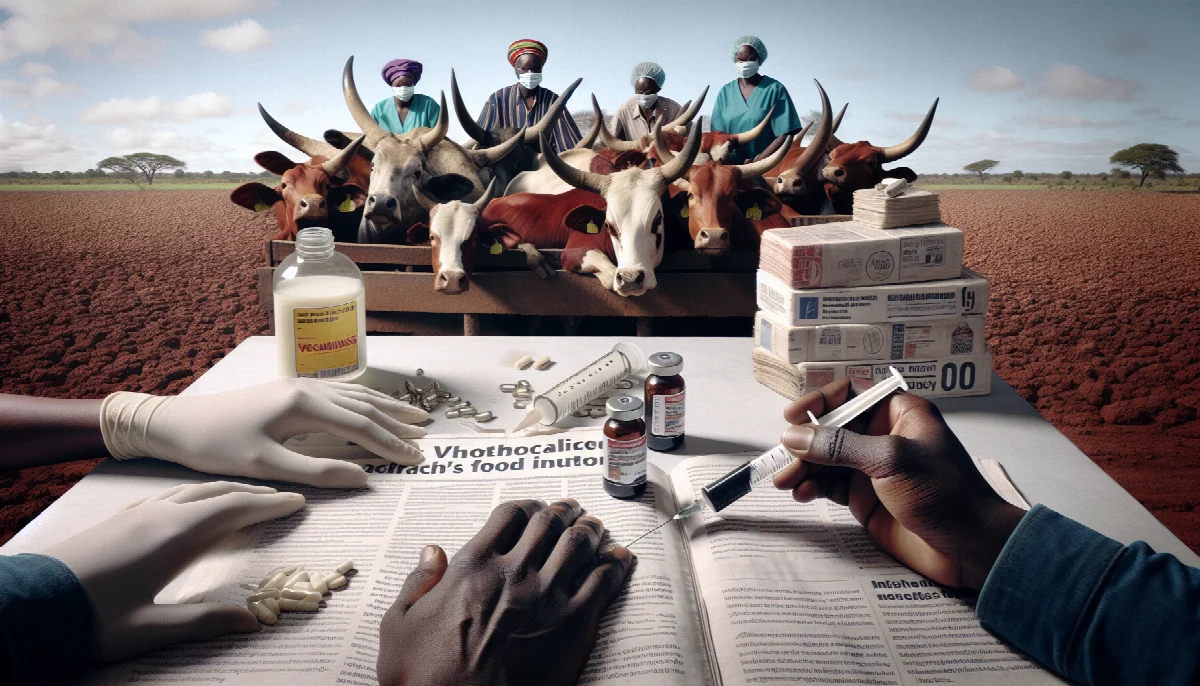
The meat price situation is further complicated by an ongoing foot-and-mouth disease outbreak that has prompted authorities to declare a national disaster. According to The Citizen, South Africa's herd vaccination campaign is set to begin this weekend with the arrival of one million vaccine doses, representing a critical intervention to protect livestock populations and stabilize production.
Foot-and-mouth disease poses severe economic consequences for affected regions, as outbreaks typically trigger trade restrictions and quarantine measures that disrupt both domestic supply chains and export operations. The disease, which affects cloven-hoofed animals including cattle, sheep, goats, and pigs, can devastate livestock productivity even when mortality rates remain low, as infected animals experience reduced milk production, weight loss, and diminished reproductive capacity.
The deployment of one million vaccine doses marks the initial phase of what is expected to be an extensive immunization program. Veterinary authorities will need to prioritize high-risk zones and implement ring vaccination strategies around confirmed outbreak sites to contain viral spread. The success of this campaign will be critical in determining whether meat production can stabilize and potentially ease price pressures in coming months.
Market Outlook and Food Security Implications
The intersection of persistent food inflation and disease outbreak management presents significant challenges for agricultural policy. While lower fuel prices provided some relief to headline inflation in January, the food sector remains insulated from these benefits due to structural supply-side constraints rather than transportation cost fluctuations alone.
Market analysts will be monitoring several key indicators in coming months, including the effectiveness of the vaccination campaign in limiting further outbreaks, the duration of any trade restrictions imposed by importing countries, and the capacity of producers to maintain herd sizes amid disease pressures. Any prolonged disruption to livestock production could sustain elevated meat prices well into 2026, keeping food inflation above the headline rate.
The government's decision to classify foot-and-mouth disease as a national disaster enables the mobilization of emergency resources and expedited procurement processes for vaccines and veterinary supplies. However, the longer-term challenge involves strengthening biosecurity measures, improving disease surveillance systems, and ensuring adequate veterinary infrastructure in rural areas where outbreaks typically originate.
For consumers, the outlook suggests continued pressure on household budgets, particularly for protein purchases. The 4.4% food inflation rate, if sustained, will erode purchasing power and may force dietary adjustments among price-sensitive households. Policymakers face the dual challenge of supporting producers through the disease crisis while ensuring food remains affordable for vulnerable populations through targeted social protection measures.