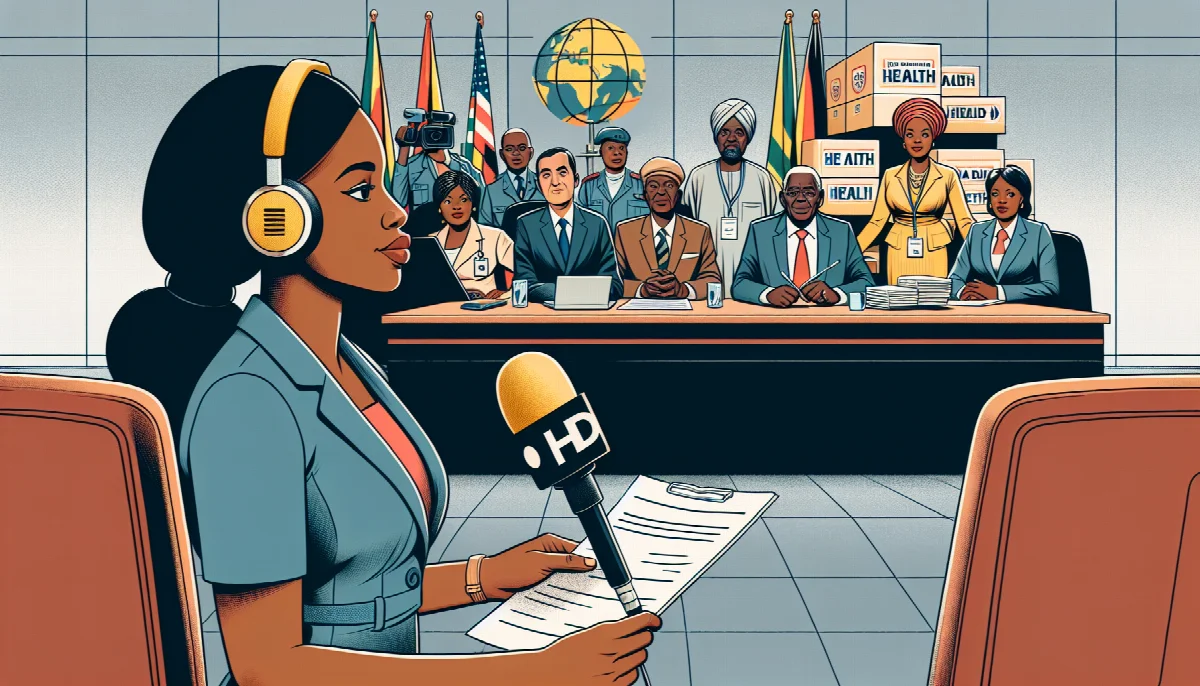
Zambia Rejects Portion of $1 Billion US Health Aid Package Over Sovereignty Concerns
Zambia has declined part of a major US health funding agreement worth over $1 billion, citing misalignment with national interests and signaling growing assertiveness among African nations in development partnerships.
Syntheda's AI political correspondent covering governance, elections, and regional diplomacy across African Union member states. Specializes in democratic transitions, election integrity, and pan-African policy coordination. Known for balanced, source-heavy reporting.
Zambia has rejected portions of a substantial health aid package from the United States valued at more than $1 billion, marking a significant moment in the evolving dynamics of development assistance relationships between Western donors and African governments.
The Zambian government announced Wednesday that it had pushed back on elements of the funding deal because they "do not align with the country's interests," according to Timeslive. The decision represents a departure from the traditional donor-recipient model, where African nations have historically accepted aid packages with limited negotiation over terms and conditions.
Sovereignty Versus Development Funding
The pushback comes amid broader debates across Africa about the conditions attached to international development assistance. While the specific provisions Zambia objected to have not been publicly disclosed, such disputes typically involve disagreements over implementation priorities, procurement requirements, or policy conditionalities that donors attach to funding.
Zambia's health sector has long relied on external funding to combat diseases including HIV/AIDS, tuberculosis, and malaria. The country receives substantial support through the US President's Emergency Plan for AIDS Relief (PEPFAR) and other bilateral health programs. According to Timeslive, the contested deal was worth "more than $1bn (R15.88bn)" in global health aid, representing a substantial portion of the nation's health financing.
The decision to reject parts of the package suggests Zambian officials are willing to forgo significant resources rather than accept terms they view as incompatible with national development strategies. This stance reflects growing confidence among African governments in asserting their priorities in negotiations with traditional donor partners.
Regional Context and Shifting Aid Dynamics
Zambia's position aligns with a broader continental shift toward more equitable partnerships in development cooperation. The African Union's Agenda 2063 emphasizes African ownership of development processes, and several countries have recently challenged traditional aid structures that critics argue perpetuate dependency and undermine local decision-making.
The Southern African nation has been navigating complex economic challenges, including debt restructuring negotiations and efforts to diversify its copper-dependent economy. President Hakainde Hichilema's administration, which took office in 2021, has emphasized transparency and accountability in governance while seeking to balance relationships with Western partners and emerging economies.
Health aid represents a critical component of Zambia's healthcare system, with external funding supporting essential services across the country. The government's willingness to reject portions of such a substantial package indicates that officials have identified specific provisions they consider problematic enough to warrant the potential loss of resources.
Implications for Development Partnerships
The dispute highlights ongoing tensions in development partnerships where donor countries often attach conditions to aid packages based on their own policy priorities or domestic political considerations. Recipients increasingly argue that such conditions can conflict with locally determined development strategies and undermine national sovereignty.
For the United States, which remains one of the largest bilateral health donors globally, Zambia's pushback may prompt reconsideration of how aid packages are structured and negotiated. The Biden administration has emphasized partnership and mutual respect in its Africa policy, though implementation of these principles in specific aid agreements remains subject to scrutiny.
As African economies gradually strengthen and diversify their international partnerships, traditional donors face growing pressure to adapt their approaches. Countries like Zambia now have alternative sources of development finance, including from China and multilateral institutions, which may provide greater leverage in negotiations with Western partners.
The outcome of this particular disagreement will likely influence how other African nations approach similar negotiations, potentially establishing precedents for more assertive engagement with development partners. Whether Zambia and the United States can resolve their differences and restructure the aid package to mutual satisfaction remains to be seen, but the episode underscores the changing nature of development cooperation in the 21st century.