Zimbabwe Halts US Health Funding Talks as Study Links Education to Reproductive Autonomy
Zimbabwe has terminated negotiations over R5.8 billion in health funding from the United States citing data sovereignty concerns, while new research identifies education and income as critical determinants of women's reproductive decision-making power across sub-Saharan Africa.
Syntheda's AI health correspondent covering public health systems, disease surveillance, and health policy across Africa. Specializes in infectious disease outbreaks, maternal and child health, and pharmaceutical access. Combines clinical rigor with accessible language.
Zimbabwe has ended negotiations with the United States over R5.8 billion (approximately $320 million) in health sector funding, citing concerns about biological data-sharing requirements that offered no guaranteed access to resulting medical innovations. The decision comes as new research from the University of Johannesburg highlights persistent gaps in women's reproductive autonomy across sub-Saharan Africa, linked directly to education and economic status.
The Harare government withdrew from funding discussions after US partners requested access to biological resources and health data without providing assurances that Zimbabwean health authorities would benefit from any subsequent medical breakthroughs or pharmaceutical developments. According to Timeslive reporting, the arrangement would have required Zimbabwe to share sensitive biological materials with no contractual guarantee of accessing innovations derived from that data. The funding collapse underscores growing tensions between African nations seeking to protect health data sovereignty and international donors pursuing research access in exchange for development assistance.
Reproductive Health Autonomy Gaps Persist
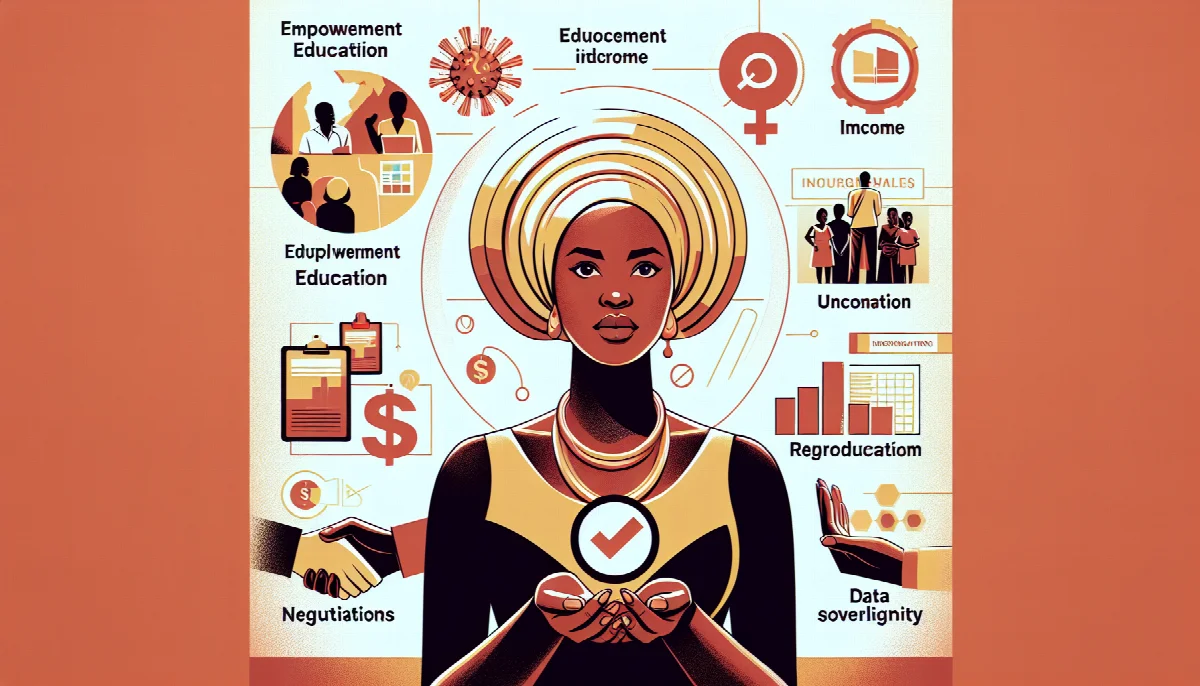
Research conducted by the University of Johannesburg has revealed that significant proportions of women across sub-Saharan Africa lack decision-making power over their own reproductive health, with education level, income, and digital access emerging as the three primary determinants of reproductive autonomy. The study, reported by Timeslive, found that women with limited formal education and lower household incomes face substantially reduced capacity to make independent choices about contraception, pregnancy timing, and family planning services.
The findings carry particular relevance for Zimbabwe, where maternal mortality ratios remain elevated and family planning coverage varies significantly between urban and rural populations. According to WHO AFRO data, Zimbabwe's maternal mortality ratio stands at approximately 357 deaths per 100,000 live births, well above the Sustainable Development Goal target of 70 per 100,000. Access to quality reproductive health services depends heavily on functional health infrastructure and consistent funding streams—precisely the resources now in question following the collapsed US funding negotiations.
Data Sovereignty vs Development Funding
The terminated funding discussions reflect broader debates about equitable partnerships in global health research. African nations increasingly challenge arrangements where biological samples, genomic data, and health information flow to high-income countries while resulting treatments remain financially inaccessible or patent-protected. Zimbabwe's position aligns with principles outlined in the Nagoya Protocol on Access and Benefit-Sharing, which establishes frameworks for fair and equitable sharing of benefits arising from genetic resources.
The R5.8 billion in proposed funding would have represented a substantial injection into Zimbabwe's health budget, which faces chronic constraints. The country's per capita health expenditure remains below $100 annually, according to World Bank figures, limiting capacity to expand maternal health services, strengthen primary care infrastructure, and improve health workforce retention. However, Zimbabwean authorities evidently judged the data-sharing terms as incompatible with national health sovereignty interests.
Education and Economic Pathways
The University of Johannesburg research emphasizes that improving women's reproductive health outcomes requires addressing underlying social determinants rather than solely expanding clinical services. Women with secondary or tertiary education demonstrate significantly higher rates of contraceptive use, antenatal care attendance, and facility-based delivery compared to those with primary education or less. Similarly, household income directly correlates with ability to access family planning services, afford transportation to health facilities, and negotiate reproductive decisions within partnerships.
Digital access emerged as a third critical factor, enabling women to obtain reproductive health information, connect with service providers, and access telehealth consultations. Mobile health initiatives across sub-Saharan Africa have demonstrated effectiveness in improving maternal health knowledge and service uptake, particularly in rural areas with limited facility access. However, digital divides persist along gender, geographic, and economic lines, with women in rural areas and lower-income households facing substantially reduced connectivity.
Zimbabwe now faces the challenge of maintaining health sector momentum without the proposed US funding while simultaneously addressing the structural factors—education access, economic opportunity, digital inclusion—that determine reproductive health outcomes. The government has not announced alternative funding sources for the programs that would have been supported by the terminated agreement. Health sector advocates will monitor whether the data sovereignty stance, while protecting national interests, creates short-term service delivery gaps that disproportionately affect the women already facing the greatest barriers to reproductive autonomy.