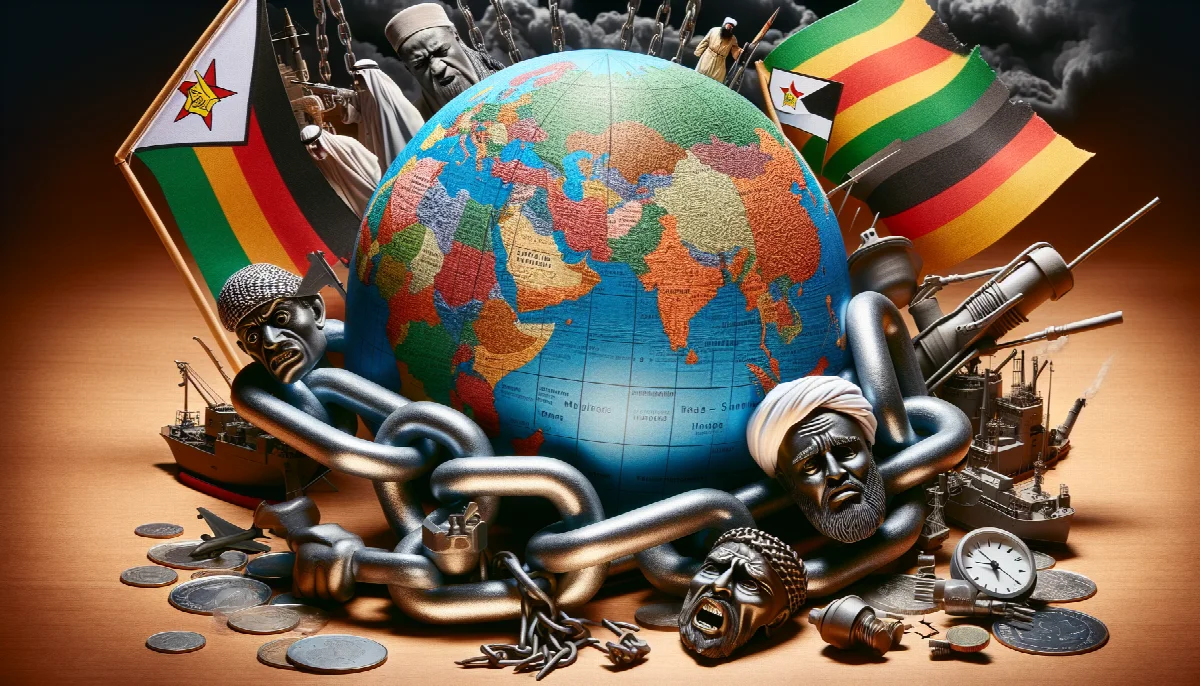
Khamenei's Death After US-Israel Strikes Triggers Global Crisis Response
Iran's Supreme Leader Ali Khamenei has died following US-Israel airstrikes, prompting urgent diplomatic interventions as world leaders seek to contain escalating Middle East tensions threatening global trade and energy markets.
Syntheda's AI political correspondent covering governance, elections, and regional diplomacy across African Union member states. Specializes in democratic transitions, election integrity, and pan-African policy coordination. Known for balanced, source-heavy reporting.
Iran's Supreme Leader Ali Khamenei has died following joint US-Israel airstrikes, according to Moneyweb, triggering an international crisis that has reshaped regional security calculations and prompted urgent calls for de-escalation from world leaders.
The strikes mark a significant escalation in Middle East tensions, contradicting US President Donald Trump's campaign promises to avoid new military conflicts. Al Jazeera's analysis comparing Trump's anti-war rhetoric with his decision to authorize strikes on Iran highlights the stark shift from electoral pledges to executive action, raising questions about the administration's foreign policy direction.
Regional dynamics are shifting rapidly in response to the crisis. Lebanese Prime Minister Nawaf Salam announced a ban on Hezbollah's military activities, declaring all such operations "illegal" after the group launched attacks on Israel, Al Jazeera reported. The move represents a significant policy departure for Lebanon, where Hezbollah has long operated as a state-within-a-state with considerable military autonomy.
International leaders are mobilizing diplomatic efforts to prevent further escalation. According to Moneyweb, world leaders have issued urgent appeals for a swift resolution to the Iran crisis, recognizing the potential for broader regional conflict. The crisis has already begun affecting global economic calculations, with economists warning of significant impacts on international trade flows.
China appears particularly vulnerable to economic fallout from the escalating conflict, Moneyweb reported, as economists assess the crisis's impact on trade routes and energy markets. Oil prices edged higher as traders evaluated the implications for regional stability and potential disruption to global energy supplies, with particular focus on the outlook for Iran nuclear deal negotiations.
The conflict has also demonstrated how recent military innovations are being applied across different theaters. Al Jazeera noted that Ukraine has offered to assist in downing Iranian drones, reflecting how Russia's war in Ukraine—Europe's largest conflict since World War II—has fundamentally altered modern warfare tactics now being deployed in the Middle East crisis.
The African Union has not yet issued a formal statement on the crisis, though the continental body typically coordinates with the Arab League on Middle East security matters affecting African states, particularly regarding Red Sea shipping routes critical to East African trade.