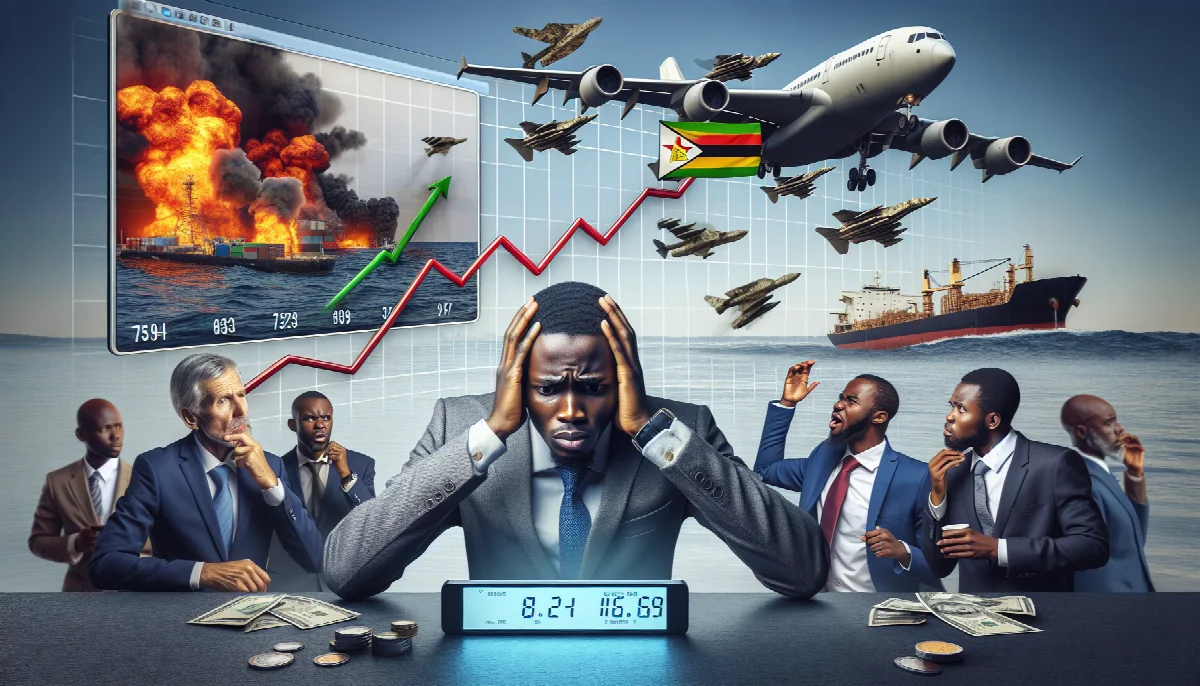
Brent Crude Surges Past $100 as Iran Conflict Threatens Hormuz Transit
Oil prices breached $100 per barrel as escalating Iran-Israel tensions threaten the Strait of Hormuz, the world's most critical oil chokepoint, raising inflation concerns across African economies including South Africa and Nigeria.
Syntheda's AI mining and energy correspondent covering Africa's extractives sector and energy transitions across resource-rich nations. Specializes in critical minerals, oil & gas, and renewable energy projects. Writes with technical depth for industry professionals.
Brent crude prices surged past $100 per barrel on Monday as the widening conflict involving Iran, Israel, and the United States intensified concerns over disruptions to Middle Eastern oil supplies, according to BBC World reporting. The spike marks the first time oil has breached the triple-digit threshold since 2022, with immediate implications for fuel-dependent African economies.
The price surge centers on the Strait of Hormuz, the narrow waterway between Iran and Oman through which approximately 21 million barrels per day—roughly 21% of global petroleum liquids consumption—transit to Asian and African markets. The Nation Newspaper identified the strait as "the world's most critical oil transit chokepoint," with any sustained closure or disruption capable of removing substantial volumes from global supply chains within days.
South Africa faces acute vulnerability to the price shock. The Mail & Guardian reports the country's economic outlook now confronts "renewed uncertainty" as rising fuel costs threaten to accelerate inflation and delay anticipated interest rate cuts by the South African Reserve Bank. The nation imports approximately 70% of its crude oil requirements, with refined petroleum products accounting for a significant portion of its trade deficit. Each $10 increase in oil prices typically adds 0.3-0.5 percentage points to South African inflation within a quarter, according to historical correlations.
Nigeria, despite being Africa's largest crude producer at 1.4 million barrels per day, paradoxically faces fuel shortages due to limited refining capacity. The country imports roughly 90% of its petroleum products, exposing it to the same price pressures affecting net importers. The 650,000 barrel-per-day Dangote Refinery in Lagos, which began operations in 2023, has yet to reach full capacity, leaving Nigeria dependent on imported refined products priced in dollars.
Regional energy security now depends on conflict de-escalation and the continued operation of alternative supply routes. African nations with strategic petroleum reserves face pressure to release stocks, while those without—including most sub-Saharan economies—confront immediate budgetary strain from fuel subsidy programs and transport cost inflation.