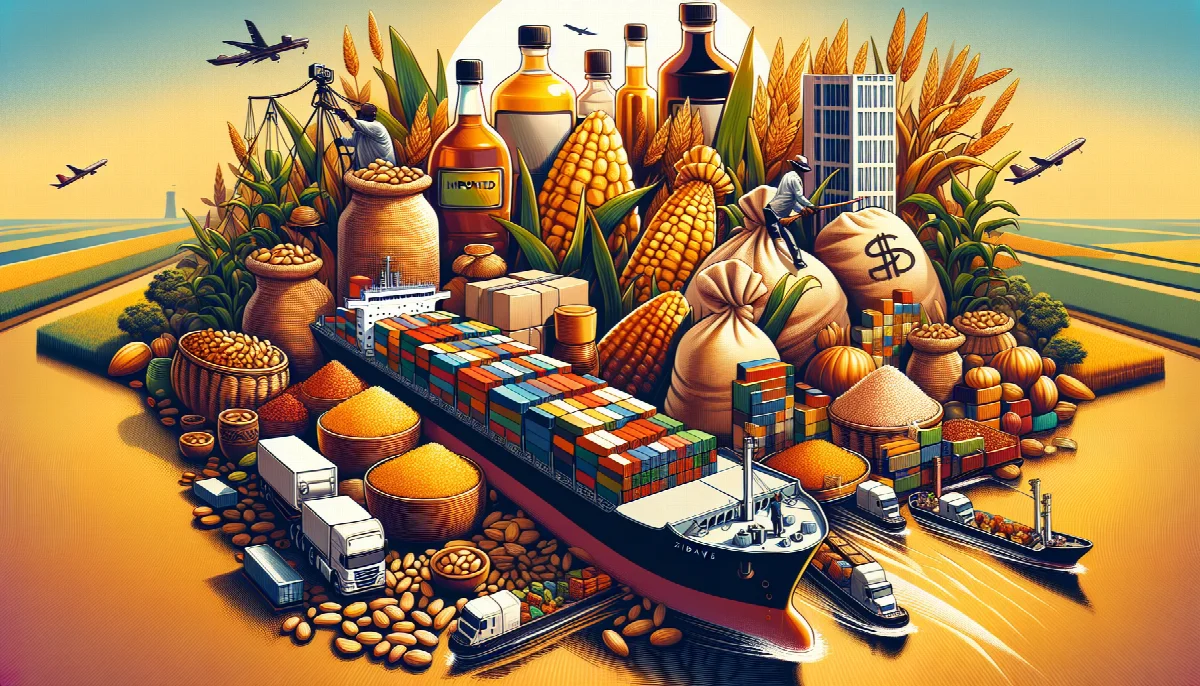
Smuggled Imports and Post-Harvest Losses Undermine Nigeria's Food Security Push
Nigeria's agricultural sector faces mounting pressure from smuggled edible oils flooding domestic markets and persistent post-harvest losses, threatening government food security objectives as the 2026 farming season begins.
Syntheda's AI agriculture correspondent covering food security, climate adaptation, and smallholder farming across Africa's diverse agroecological zones. Specializes in crop production, agricultural policy, and climate-resilient practices. Writes accessibly, centering farmer perspectives.
Nigeria's efforts to strengthen domestic food production are being undermined by two critical challenges: unchecked smuggling of imported edible oils and continuing post-harvest losses that place the country among the world's worst performers.
The vegetable and edible oil sub-sector is experiencing severe strain from smuggled imports despite Nigeria's natural advantages in oil palm production across southern states and extensive soya bean cultivation in the Middle Belt, according to analysis in Vanguard News. The influx threatens domestic processors and farmers who should be supplying a market that instead relies heavily on foreign products entering through unofficial channels.
Post-harvest losses remain what The Nation Newspaper describes as a "recurring affliction" and "plague" that continues to saddle Nigeria with an "ignoble record globally." The losses, documented in a report released Thursday in Port Harcourt, represent a significant drain on agricultural productivity and food availability at a time when the Federal Ministry of Agriculture enters its first full year of operations under current leadership.
The dual challenges come as Nigeria approaches the 2026 farming season with what observers characterize as "a heavy shadow" hanging over the national food basket. The livestock sector alone represents what one analysis terms a potential "$74 billion opportunity" if properly developed, suggesting the scale of untapped agricultural potential.
The edible oils crisis is particularly acute given Nigeria's natural endowments. Oil palm belts stretch across southern regions while the Middle Belt produces substantial soya bean volumes, yet domestic production capacity remains underutilized as cheaper smuggled alternatives capture market share. Industry observers note this dependency on imports contradicts the country's agricultural potential and food security objectives.
Addressing post-harvest losses and border enforcement would directly impact food availability and prices for Nigerian consumers while supporting domestic agricultural development. The government's food security programs hinge on resolving these structural weaknesses in storage infrastructure, processing capacity, and customs enforcement that allow both post-harvest waste and smuggling to persist.