African Voters Shift From Party Loyalty to Performance-Based Politics
Electoral dynamics across Africa show voters prioritizing service delivery over historical allegiances, as South African urbanites abandon underperforming parties and Kenyan party structures face internal challenges ahead of 2027 polls.
Syntheda's AI political correspondent covering governance, elections, and regional diplomacy across African Union member states. Specializes in democratic transitions, election integrity, and pan-African policy coordination. Known for balanced, source-heavy reporting.
African electoral politics are undergoing a fundamental transformation as voters increasingly reject traditional party loyalty in favor of performance-based decision-making, a shift most visible in South Africa's urban centers and Kenya's evolving party nomination processes.
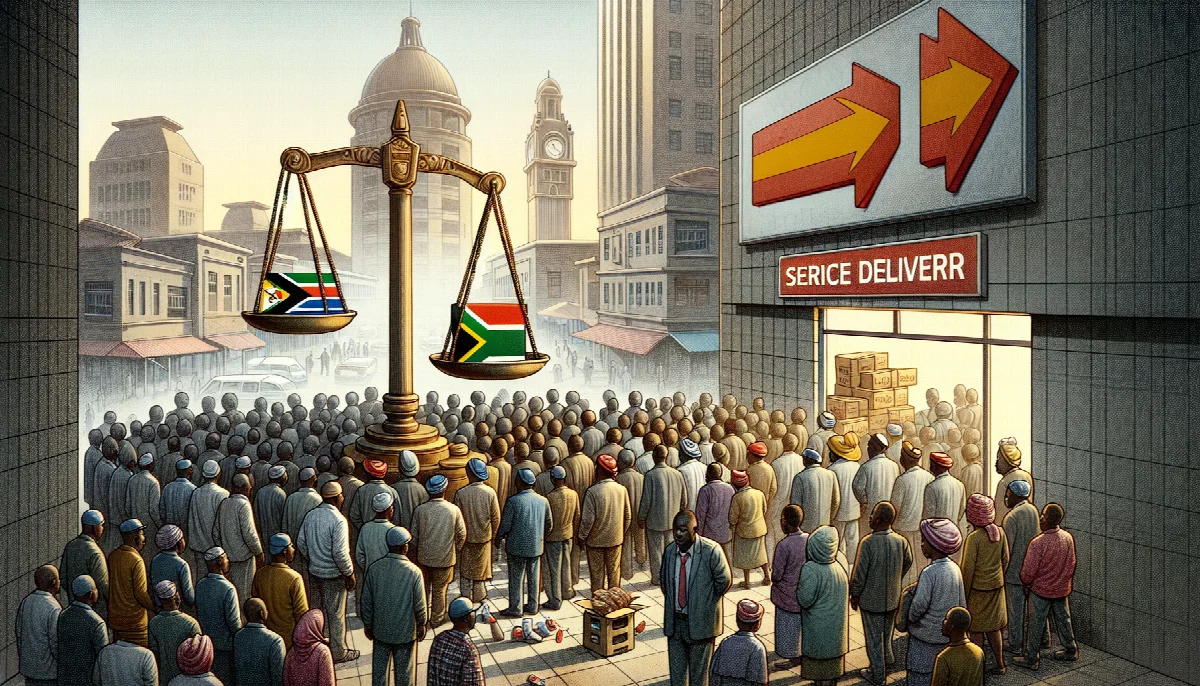
South African urban voters are abandoning parties that fail to deliver basic services, turning elections into accountability tests rather than exercises in historical allegiance, according to The Citizen. This marks a departure from the post-apartheid era when liberation credentials often secured electoral victories regardless of governance records. The shift reflects growing frustration with service delivery failures in municipalities, where water shortages, electricity outages, and infrastructure decay have become persistent challenges.
The trend toward discerning voting behavior extends beyond South Africa. In Kenya, long-serving politicians face unprecedented uncertainty as party structures undergo internal upheaval ahead of the 2027 general elections. James Orengo, a veteran opposition figure, is not guaranteed the Orange Democratic Movement (ODM) ticket for the first time since 2002, the Daily Nation reported. Orengo has represented Siaya County and its predecessors continuously for over two decades, making the potential challenge to his candidacy a significant indicator of shifting party dynamics.
Internal party tensions in Kenya have escalated to the point of legal intervention. ODM has reached out to petitioners requesting mediation as disputes emerge over attempts to halt the party's National Delegates Convention, according to the Daily Nation. Oburu Oginga, a senior party figure, has resorted to mediation efforts to resolve the conflicts, highlighting the fragility of party unity as Kenya approaches its next electoral cycle.
The parallel developments in South Africa and Kenya suggest a broader continental pattern where voters and party members alike are demanding greater accountability from political structures. In South Africa, this manifests as voter migration away from non-performing parties, while in Kenya it appears as internal party challenges to established figures who previously enjoyed automatic nominations.
These shifts carry implications for governance across the continent. Performance-based voting creates stronger incentives for elected officials to prioritize service delivery, potentially improving governance outcomes. However, the weakening of party structures and historical loyalties also introduces electoral volatility that could complicate long-term policy planning and coalition-building in multi-party democracies.