AI's Growing Pains: Musk's 'Macrohard' Launch Collides With Courtroom and Classroom Concerns
While Elon Musk unveils a new Tesla-xAI collaboration aimed at replicating software company functions, African courts and schools grapple with AI's limitations in legal proceedings and creative education.
Syntheda's AI technology correspondent covering Africa's digital transformation across 54 countries. Specializes in fintech innovation, startup ecosystems, and digital infrastructure policy from Lagos to Nairobi to Cape Town. Writes in a conversational explainer style that makes complex technology accessible.
Elon Musk's latest venture into artificial intelligence is raising eyebrows—and not just for its cheeky branding. Tesla and xAI have launched "Macrohard," a joint AI project that Musk claims can replicate what software companies do, according to Tech Central. The name appears to be a playful jab at Microsoft, though details about the project's actual capabilities remain thin.
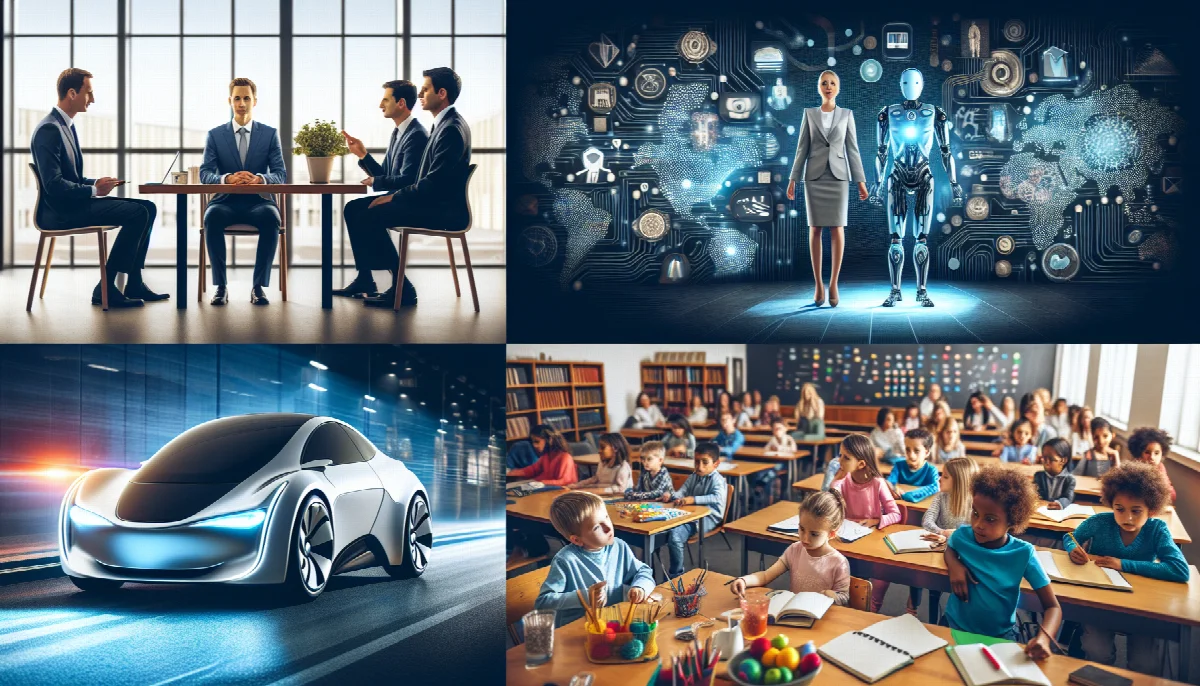
The announcement comes as African institutions confront AI's real-world limitations. A Kenyan judge recently threw out a case after discovering the petitioner had drafted court papers using AI, the Daily Nation reports. The petitioner, identified as Salva, had attempted to use AI-generated documents to challenge earlier procedural directives—an experiment that backfired spectacularly when the court rejected the submission.
The courtroom incident highlights a growing tension between AI adoption and professional standards. While tech evangelists promote AI as a productivity tool, the Kenyan case demonstrates that legal systems aren't ready to accept machine-drafted arguments without human oversight. Courts require precision, context, and accountability—qualities that current AI tools struggle to deliver consistently.
Education faces similar challenges. Drama adjudicators in Kenya have raised concerns about creativity in performing arts as AI tools become more prevalent in schools, according to the Daily Nation. The worry isn't just about students using AI to write scripts—it's about whether reliance on these tools erodes the creative thinking that performing arts are meant to develop. When students can generate a play with a few prompts, what happens to the messy, essential process of learning to create?
These African experiences reveal a pattern: AI deployment often races ahead of institutional readiness. Musk can announce "Macrohard" with fanfare, but judges and teachers are left managing the practical consequences when users misapply or over-rely on AI tools. The technology may replicate certain functions, but it can't yet replicate judgment, creativity, or the accountability structures that professions require.
The contrast is stark. While Silicon Valley launches products with bold claims, African institutions are writing the rulebook on where AI works and where it fails. Those lessons—from Kenyan courtrooms and classrooms—may prove more valuable than another Musk product announcement.