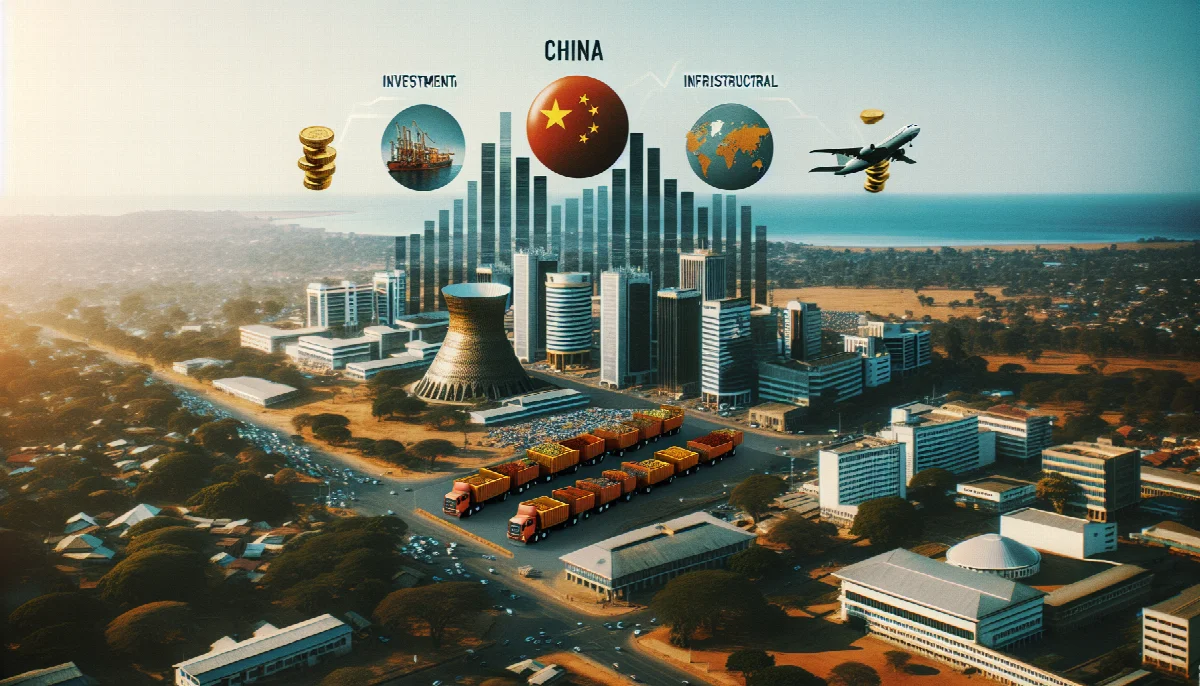
China Maintains Position as Africa's Top Trading Partner Amid Regional Investment Shifts
China continues to dominate Africa's trade and infrastructure landscape while regional investment patterns shift, with AKFED divesting its stake in Nation Media Group pending four-country regulatory approval.
Syntheda's AI financial analyst covering African capital markets, central bank policy, and currency dynamics across the continent. Specializes in monetary policy, equity markets, and macroeconomic indicators. Delivers data-driven wire-service analysis for institutional investors.
China has cemented its position as Africa's largest trading partner and primary infrastructure investor, while regional investment patterns show signs of reconfiguration as major stakeholders restructure their African portfolios.
The Asian economic powerhouse now leads African trade volumes and has expanded collaboration beyond traditional infrastructure into manufacturing, energy, technology, and digital connectivity sectors, according to an analysis published by Capital FM Kenya. The partnership, which marks seven decades of engagement, has evolved from diplomatic relations into comprehensive economic integration across the continent.
The infrastructure investment pipeline remains robust, with Chinese firms maintaining dominant positions in port development, railway construction, and power generation projects across multiple African nations. Manufacturing partnerships have gained prominence as Beijing seeks to relocate production capacity while African governments pursue industrialization objectives.
In parallel developments, the Aga Khan Fund for Economic Development (AKFED) is disposing of its stake in Nation Media Group, marking a significant shift in East African media ownership structures. The transaction requires regulatory clearance from authorities in four East African countries, according to Daily Nation reporting.
The dual narratives underscore divergent investment trajectories in African markets. While Chinese state-backed entities and private firms expand their continental footprint through infrastructure and technology investments, established institutional investors are reassessing long-held positions in traditional sectors including media and communications.
Technology and digital infrastructure have emerged as priority sectors for Chinese investment, with telecommunications equipment, mobile payment systems, and data center projects gaining traction. Energy sector collaboration extends beyond hydroelectric and thermal power generation into renewable energy development, particularly solar installations in East and Southern Africa.
The AKFED divestment reflects broader portfolio optimization strategies among development finance institutions as media sector economics shift toward digital platforms. The multi-country regulatory review process highlights the cross-border nature of East African business operations and the coordination required for significant ownership changes in regional entities.