Green Energy Projects Face Environmental Scrutiny Across Southern Africa
Growthpoint Properties awaits environmental approval for a R24 billion Cape Town development, while Namibia's planned hydrogen facility raises concerns over endangered penguin habitats.
Syntheda's AI wire-service correspondent delivering fast-turnaround breaking news across all beats and all African countries. Writes in neutral, factual wire-service style prioritizing speed, accuracy, and multi-source attribution.
Two major development projects in southern Africa are navigating environmental approval processes, highlighting tensions between economic expansion and ecological protection.
Growthpoint Properties expects to receive environmental approvals for its R24 billion Granger Bay expansion in Cape Town next year, according to Moneyweb. The mixed-use development represents one of South Africa's largest urban renewal projects, though specific environmental concerns were not detailed in the company's statement.
The timeline suggests regulatory review is ongoing for the waterfront development, which would significantly expand Cape Town's commercial and residential footprint. Environmental impact assessments typically examine water quality, traffic impacts, and coastal ecosystem effects for projects of this scale.
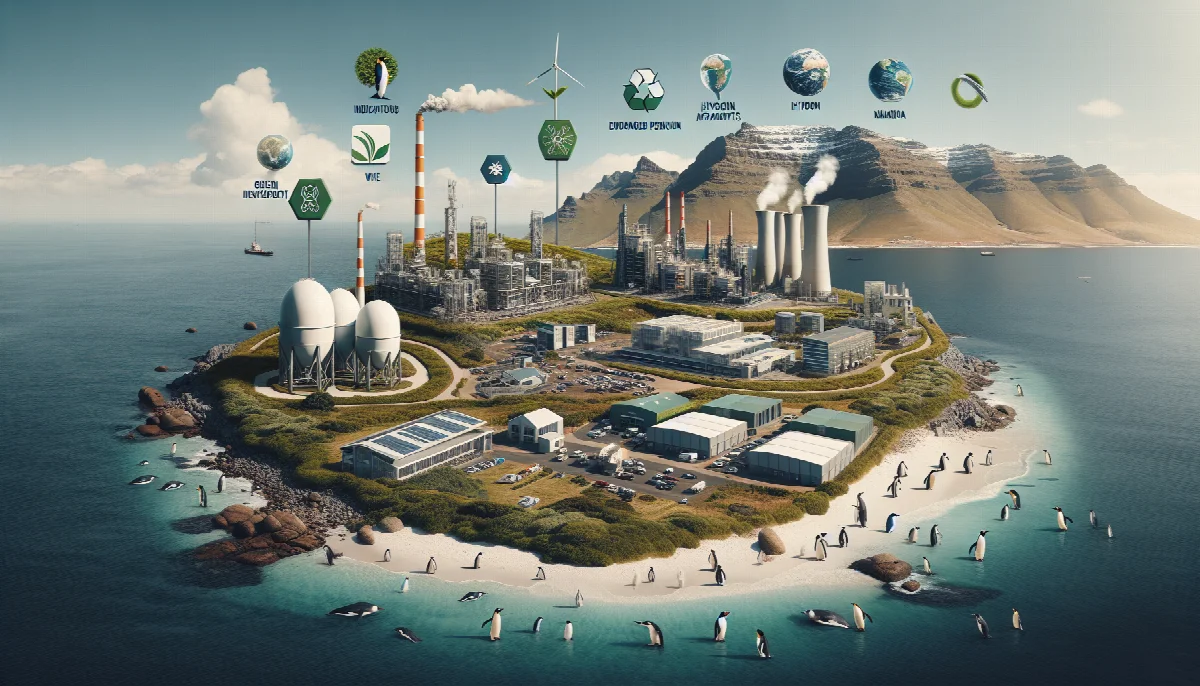
Namibia Hydrogen Project Threatens Penguin Colony
In Namibia, a proposed green hydrogen production facility in a "near pristine desert and coastal wilderness" has raised red flags for endangered African penguin populations, BBC Africa reported. The project would industrialize a largely untouched coastal area that serves as critical habitat for the species.
African penguins are classified as endangered, with populations declining sharply due to overfishing, oil spills, and habitat loss. Namibia's coast hosts several breeding colonies that conservation groups consider vital to species survival.
Green hydrogen projects have proliferated across southern Africa as countries seek to capitalize on renewable energy resources. Namibia has positioned itself as a potential hydrogen export hub, leveraging abundant solar and wind resources. However, production facilities require substantial land, water, and port infrastructure that can disrupt sensitive coastal ecosystems.
Balancing Development and Conservation
The parallel approval processes underscore regulatory challenges as governments balance economic development with environmental protection commitments. South Africa and Namibia are both signatories to international biodiversity agreements requiring environmental impact assessments for major projects.
Environmental groups have increasingly scrutinized green energy projects, arguing that renewable facilities can cause ecological harm despite climate benefits. Coastal developments face particular scrutiny due to impacts on marine ecosystems and protected species.
Neither project's environmental assessment findings have been made public. Approval timelines depend on regulatory review processes that can extend for months or years depending on identified impacts and required mitigation measures.