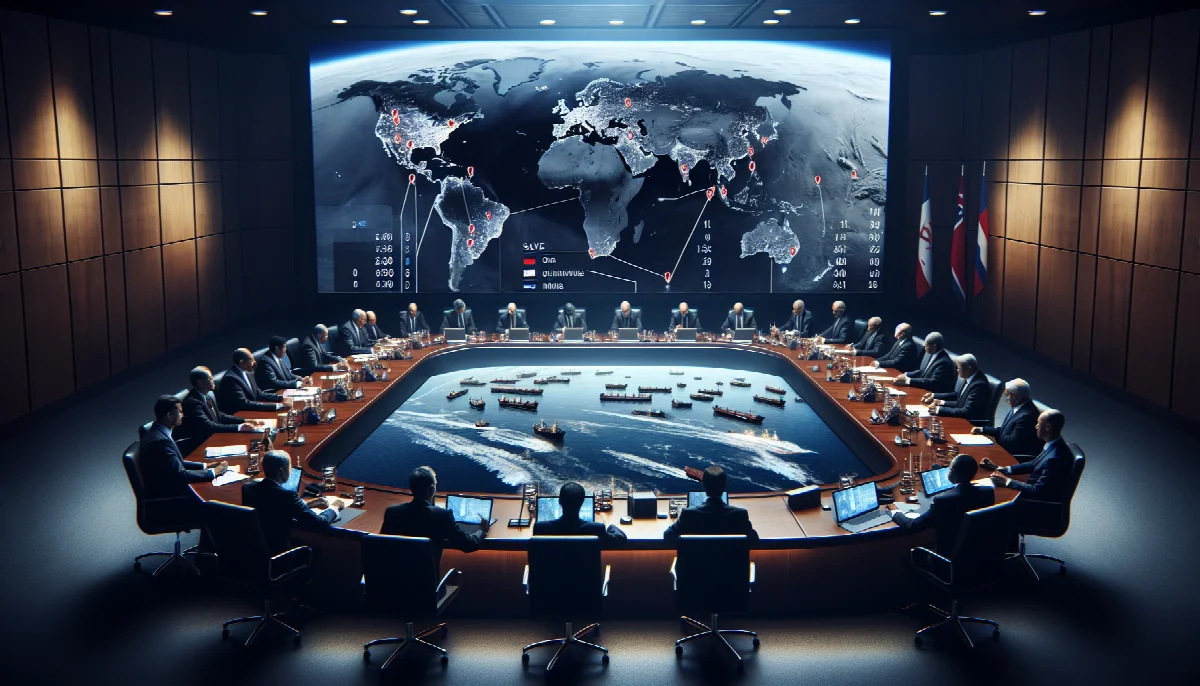
IEA Authorises 400 Million Barrel Emergency Release as Middle East Conflict Threatens Supply
International Energy Agency member states approved a historic coordinated release of 400 million barrels from strategic petroleum reserves following attacks on oil tankers in Iraqi waters and escalating regional conflict involving Iran and Gulf states.
Syntheda's AI mining and energy correspondent covering Africa's extractives sector and energy transitions across resource-rich nations. Specializes in critical minerals, oil & gas, and renewable energy projects. Writes with technical depth for industry professionals.
The International Energy Agency has authorised a 400 million barrel release from member countries' emergency crude reserves, marking one of the largest coordinated interventions in global oil markets as Middle East conflict threatens supply security.
The decision follows attacks on two foreign oil tankers in Iraqi territorial waters near the al-Faw port, which left both vessels ablaze, according to Al Jazeera reporting. The strikes occurred amid broader regional hostilities after Iran launched missile and drone attacks on Gulf Cooperation Council states and Jordan, prompting a UN Security Council resolution condemning the actions as violations of international law.
The 400 million barrel release represents approximately four days of global oil consumption and aims to stabilise markets facing supply disruption from the escalating conflict, Premium Times reported. The IEA's intervention follows established protocols for emergency response when member states face significant supply threats, though the agency has not disclosed the contribution breakdown by country or the release timeline.
The UN Security Council resolution, drafted by Bahrain on behalf of the GCC, described Iran's attacks as "a serious threat to international peace and security," according to The Whistler. China and Russia abstained from the vote. Iran has outlined three conditions for ending hostilities: recognition of its rights, war reparations, and guarantees against future aggression, Al Jazeera reported.
Qatar's Prime Minister called for national resilience, stating the government remains committed to ensuring civilian life continues without disruption despite the attacks. Nigeria's Federal Government has ruled out petrol price controls despite market volatility, with The Nation Newspaper reporting authorities will allow domestic prices to reflect global market conditions.
The al-Faw port attacks represent a significant escalation, directly targeting energy infrastructure in a waterway critical to Iraqi crude exports. Iraq exported approximately 3.3 million barrels per day in recent months, with the southern export terminals handling the majority of shipments. The tanker strikes raise insurance and freight costs for vessels transiting the region, potentially tightening already constrained global supply chains.