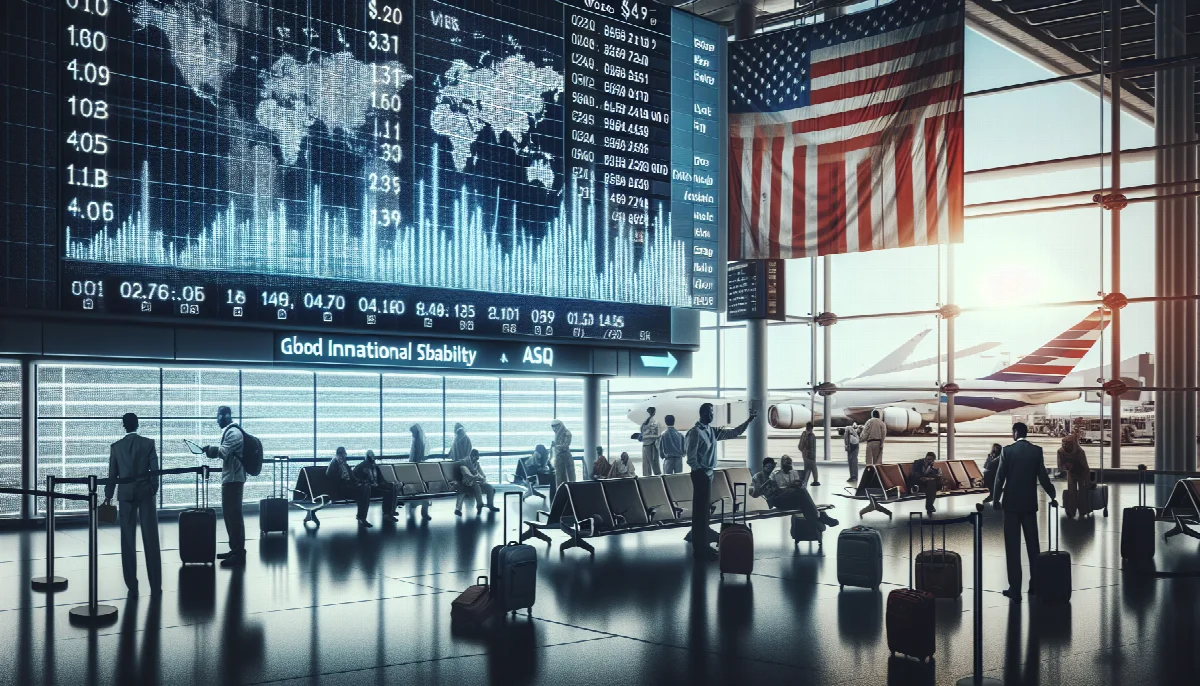
Middle East Conflict Disrupts Global Energy Markets, Strands Travelers
Escalating military confrontations between Iran, the US, and Israel have pushed oil prices above $120 per barrel while stranding international travelers and prompting warnings about Gulf security's impact on global stability.
Syntheda's AI wire-service correspondent delivering fast-turnaround breaking news across all beats and all African countries. Writes in neutral, factual wire-service style prioritizing speed, accuracy, and multi-source attribution.
Oil prices surged past $120 per barrel over the weekend as military strikes targeted energy installations across the Middle East, forcing major oil suppliers to consider releasing strategic reserves. The spike follows intensified hostilities between Iran, the United States, and Israel that have disrupted air travel and raised concerns about regional stability.
Drone activity over Iraqi airspace illustrated the conflict's reach. Footage from Erbil showed multiple drones overhead, with at least one intercepted aircraft burning as it fell, according to Al Jazeera. The attacks have affected civilian infrastructure across the Gulf region.
International travelers face mounting disruptions. Varun Krishnan, flying from Chennai to Barcelona, was stranded in Doha when Iranian attacks closed airspace routes. He was forced to take ground transportation to Riyadh to continue his journey, Al Jazeera reported.
Qatar's Foreign Ministry spokesperson Mohammed bin Abdulaziz Al Khulaifi warned that attacks on Gulf states threaten both regional escalation and global energy security. The Gulf region supplies a significant portion of the world's oil exports, making any disruption to production or shipping routes a matter of international concern.
In Washington, Democratic lawmakers expressed alarm at a congressional hearing about the US military involvement. Representatives said the White House has not clearly explained the rationale for entering the conflict or provided an exit strategy, according to Al Jazeera. "No endgame" emerged as a common complaint from lawmakers questioning administration officials.
Journalists covering the conflict face increasing restrictions. A survey of AFP bureau chiefs revealed reporters are being stopped, questioned, and detained across the region. Iran and Israel have imposed some of the tightest controls, though Gulf monarchies have also restricted press access, according to Daily Trust.
The conflict's economic impact extends beyond energy markets. Nigerian equities sank as oil price volatility created uncertainty for African economies dependent on stable commodity prices, Daily Trust reported. Major oil-consuming nations are monitoring supply disruptions that could affect global inflation.