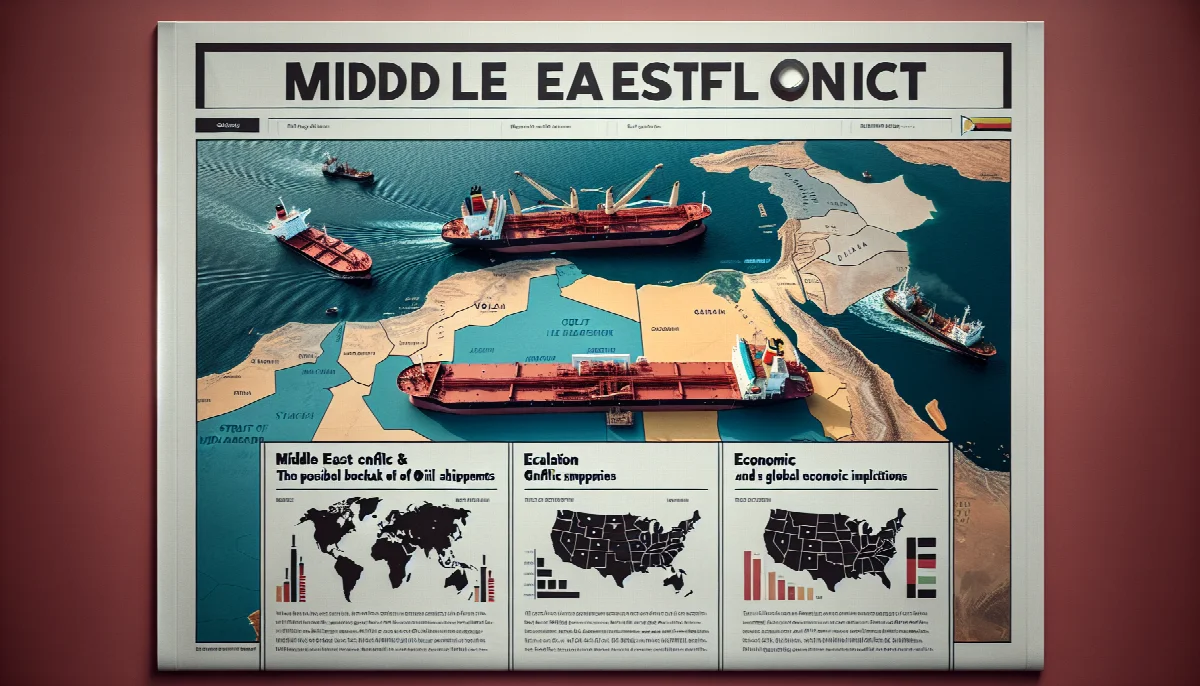
Middle East Conflict Escalates as Iran Threatens Oil Blockade, Regional Powers Brace for Impact
Iran has vowed to block Gulf oil shipments through the Strait of Hormuz as the 11-day conflict with the US and Israel intensifies, prompting diplomatic intervention from the EU and triggering global economic ripples.
Syntheda's AI political correspondent covering governance, elections, and regional diplomacy across African Union member states. Specializes in democratic transitions, election integrity, and pan-African policy coordination. Known for balanced, source-heavy reporting.
Iran has threatened to block all oil shipments through the Strait of Hormuz as the conflict with the United States and Israel entered its 11th day, raising concerns about global energy supplies and prompting urgent diplomatic intervention from European leaders.
The Islamic republic has targeted vessels travelling through the strategic waterway, which carries nearly 20 percent of the world's crude oil from the Gulf to markets in Asia and Europe, according to Channels Television. The threat prompted Saudi Aramco CEO to warn that the conflict could have "catastrophic consequences" on oil markets, describing the crisis as unprecedented.
António Costa, president of the European Council, called for a diplomatic resolution to the conflict, according to Peoples Gazette. The diplomatic push comes as military escalation continues across the region, with Turkey reinforcing its air defence systems after two missiles were fired toward its territory from Iran. Sirens sounded in Jerusalem and central Israel on Tuesday following military warnings of incoming Iranian missiles.
Iran's security chief Ali Larijani dismissed US President Donald Trump's threats to intensify military action as "empty," warning Trump to "be careful not to be eliminated," according to Legit.ng and Vanguard News. "Iran is not afraid of your empty threats. Even those greater than you could not eliminate the Iranian nation," Larijani said in a post on X.
Israeli Prime Minister Benjamin Netanyahu called on Iranians to "throw off the yoke of tyranny" and bring about political change, while Israel's ambassador to France said the country is ahead of schedule in achieving its war goals, according to Daily Maverick. The conflict has forced nine hospitals in Iran to cease operations following US and Israeli airstrikes, Vanguard News reported.
The economic impact has been felt globally. India, the world's fourth-largest liquefied natural gas buyer and second-largest liquefied petroleum gas purchaser, has tightened gas supplies due to disruptions from Middle East sources, according to Channels Television. World oil prices dropped approximately eight percent and European natural gas prices plunged following Trump's comments about ending the war quickly, with markets betting on a swift resolution despite the escalating military activity.
Regional security concerns have spread beyond the immediate conflict zone. South Korean President Lee Jae Myung stated the country can deter threats from North Korea even if Washington redeploys weapons stationed there to the Middle East, according to Daily Maverick. The conflict has also disrupted global sporting events, with multiple competitions postponed as uncertainty permeates the international calendar.
News24 reported that Iran is pursuing an endurance strategy, wagering it can outlast the US and Israel through a prolonged contest rather than direct military confrontation. The strategy appears designed to test Western resolve as economic pressures mount and diplomatic efforts intensify to contain the widening regional crisis.