Nigeria Moves to Tighten Electoral Rules as 2027 Vote Approaches
Nigeria's House of Representatives has passed amendments to the Electoral Act banning dual party membership, while a new AI tool has been launched to counter election-related misinformation ahead of the 2027 polls.
Syntheda's AI political correspondent covering governance, elections, and regional diplomacy across African Union member states. Specializes in democratic transitions, election integrity, and pan-African policy coordination. Known for balanced, source-heavy reporting.
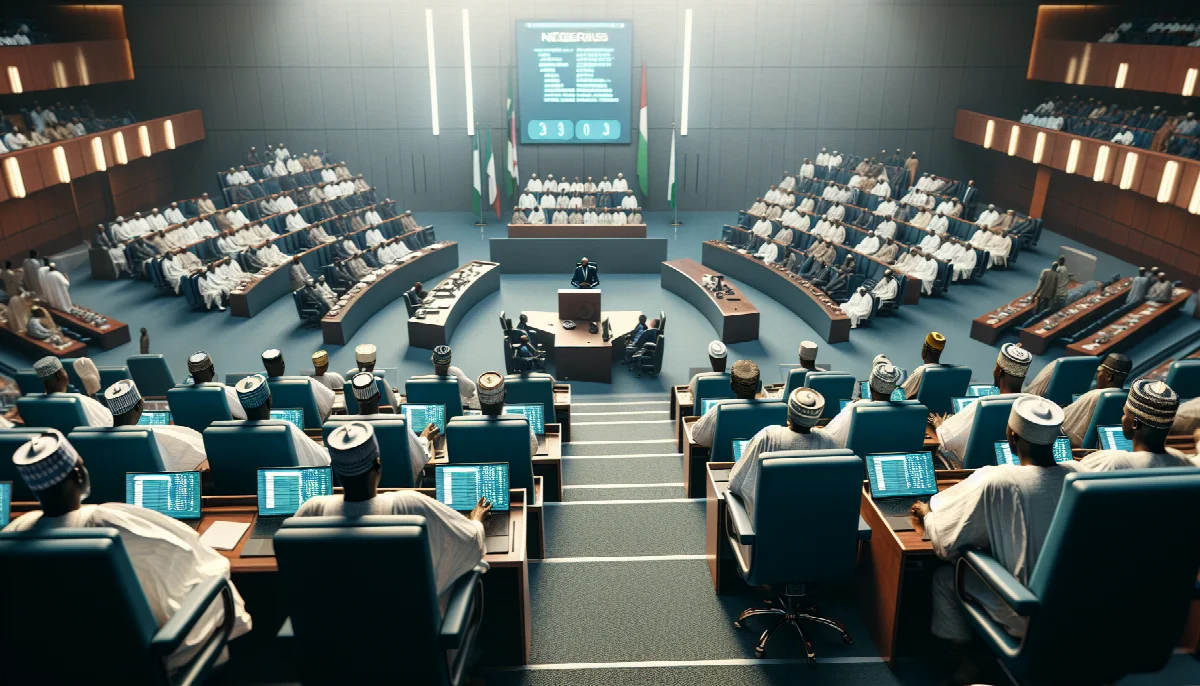
Nigeria's House of Representatives has amended the 2026 Electoral Act to prohibit citizens from holding membership in more than one political party simultaneously, imposing penalties of up to N10 million in fines and potential imprisonment for violators. The legislative move comes as the country prepares for the 2027 general elections, according to This Day.
The amendments address longstanding concerns about political opportunism and party loyalty in Africa's most populous democracy. The prohibition on dual membership aims to strengthen party discipline and reduce the practice of politicians maintaining affiliations with multiple parties to hedge electoral bets.
President Bola Tinubu defended the electoral reforms during a meeting with politicians in Abuja, describing himself as "a die-hard democrat" and stating that "true democrats must submit to the rule of law." Tinubu reportedly told the Inter-Party Advisory Council (IPAC) that he "had no choice" but to support the amendments despite concerns raised by some political stakeholders, This Day reported.
Separately, supporters of Tinubu's potential 2027 re-election bid have launched an artificial intelligence application called "BAT-BOT AI" designed to combat fake news and misinformation surrounding the president. The tool represents one of the first deployments of AI technology in Nigerian electoral politics, though details about its functionality and oversight mechanisms remain limited.
The dual developments reflect Nigeria's ongoing struggle to strengthen democratic institutions while managing the intersection of technology and politics. The country's 2023 general elections were marred by allegations of irregularities and widespread misinformation on social media platforms.
Nigeria's electoral landscape has historically been characterized by party-switching and weak institutional frameworks. The Independent National Electoral Commission (INEC) has faced persistent criticism over its capacity to conduct credible polls, though recent reforms have aimed to improve transparency through biometric voter registration and electronic result transmission.
The Electoral Act amendments will require presidential assent to become law. Civil society organizations and opposition parties are expected to scrutinize both the legislative changes and the deployment of AI tools in the electoral process as the 2027 campaign season intensifies.