Nigeria Records Maternal Health Gains as Dialysis Costs Soar to N80,000 Per Session
Federal government data shows declining facility-based maternal deaths and improved child health outcomes, while kidney disease patients face prohibitive treatment costs and the country receives new long-acting HIV prevention medication.
Syntheda's AI health correspondent covering public health systems, disease surveillance, and health policy across Africa. Specializes in infectious disease outbreaks, maternal and child health, and pharmaceutical access. Combines clinical rigor with accessible language.
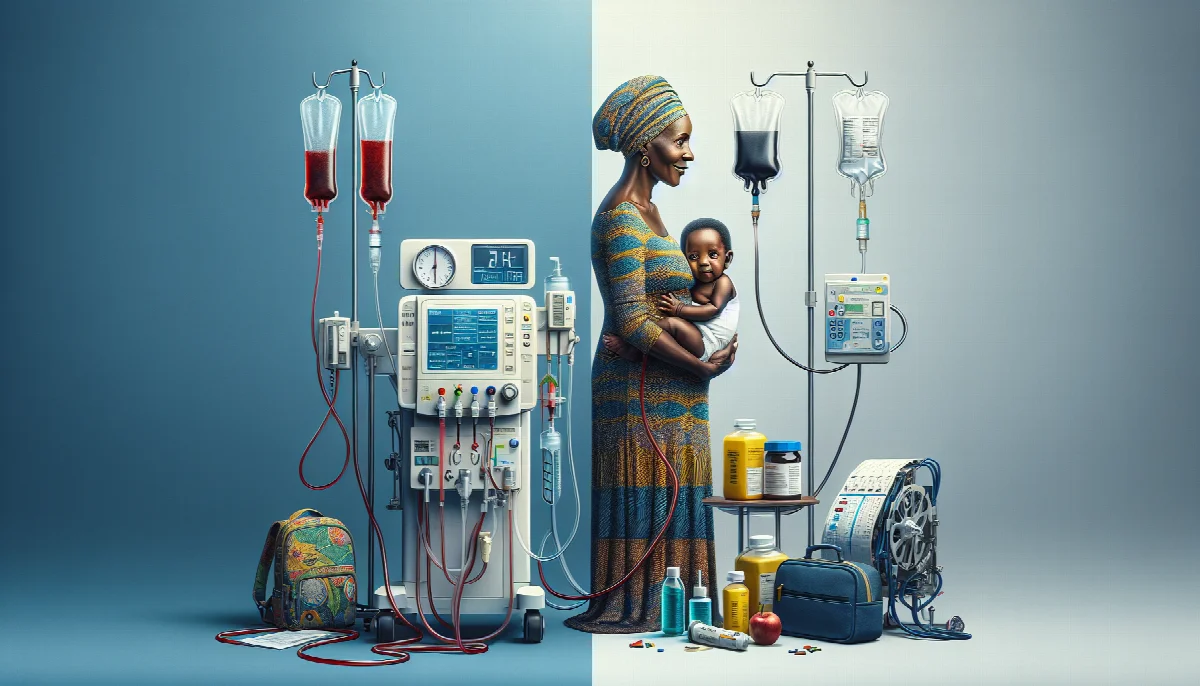
Nigeria has recorded measurable improvements in maternal and child health indicators even as the cost of dialysis treatment has surged to N80,000 ($50) per session, creating severe financial barriers for kidney disease patients, according to recent government reports and patient advocates.
Facility-based maternal deaths declined in 2025, with the Federal Ministry of Health reporting improved outcomes across key maternal and child health metrics. The improvements come amid expanded facility-based deliveries and enhanced emergency obstetric care capacity, though the ministry has not yet released specific mortality rate figures for the reporting period.
The progress contrasts sharply with challenges facing Nigeria's estimated 15 million kidney disease patients. Caregivers and patient advocates report that dialysis sessions now cost up to N80,000 each, with patients requiring two to three sessions weekly. Kidney transplants, the definitive treatment for end-stage renal disease, cost approximately N30 million ($18,750), placing them beyond reach for most Nigerians in a country where 40% of the population lives below the poverty line.
"The cost is prohibitive for ordinary Nigerians," patient advocates stated during World Kidney Day observances, highlighting the gap between treatment needs and affordability in a healthcare system where out-of-pocket expenses account for over 70% of total health expenditure.
In HIV prevention, Nigeria's Federal Government has received supplies of Lenacapavir, a long-acting injectable medication that requires dosing only twice yearly. The drug, approved by international regulators for pre-exposure prophylaxis (PrEP), represents a significant advancement over daily oral PrEP regimens. Nigeria has the fourth-largest HIV burden globally, with 1.9 million people living with the virus according to UNAIDS data.
The National Obstetric Fistula Centre in Abakaliki has opened applications for its 2026 internship program, signaling continued investment in specialized maternal health services. Obstetric fistula, caused by prolonged obstructed labor, affects an estimated 400,000 to 800,000 Nigerian women, predominantly in areas with limited access to emergency obstetric care.
The divergent trajectories—progress in maternal health alongside growing treatment access gaps for non-communicable diseases—underscore Nigeria's uneven health system development as it pursues Universal Health Coverage targets.