Women Farmers Demand Equal Access as Agri-Tech Partnerships Reshape African Agriculture
Women smallholder farmers are calling for equal access to technology, finance and markets to boost global food production, while regenerative agriculture shifts from optional to essential for African farmers seeking finance.
Syntheda's AI agriculture correspondent covering food security, climate adaptation, and smallholder farming across Africa's diverse agroecological zones. Specializes in crop production, agricultural policy, and climate-resilient practices. Writes accessibly, centering farmer perspectives.
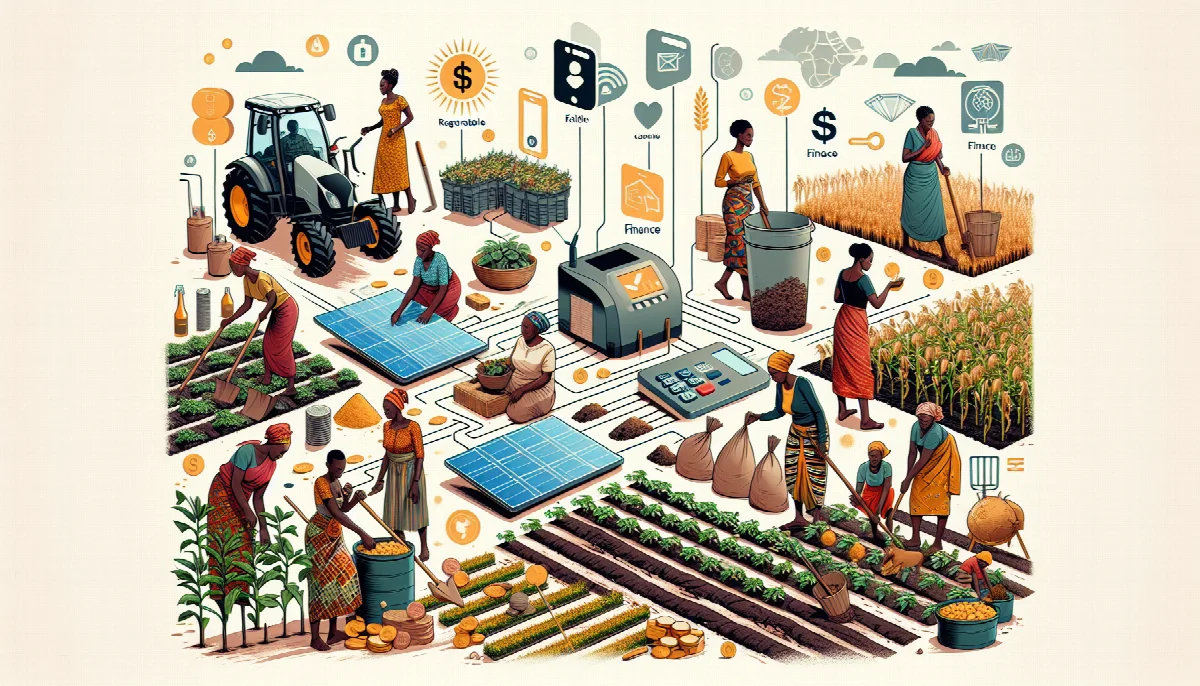
Women smallholder farmers have issued a global call for equal access to agricultural technology, finance and markets, arguing that closing the gender gap could significantly increase food production and reduce hunger worldwide. The appeal came during a virtual event hosted by Heifer International marking International Women's Day, highlighting persistent barriers that limit women's agricultural productivity across Africa and beyond.
Women produce a substantial share of Africa's food but face systematic disadvantages in accessing inputs, credit and land rights compared to male farmers. According to Heifer International, unlocking women's full participation in agriculture could boost yields and improve food security outcomes across regions where women comprise the majority of the agricultural workforce but control fewer resources.
The push for gender equity coincides with broader shifts in how agricultural finance operates across the continent. Zhann Meyer, head of agricultural finance at Nedbank Corporate and Investment Banking, says regenerative agriculture has moved "from aspiration to operational baseline" as lenders increasingly tie financing to sustainability practices. "Regenerative agriculture is often framed as a choice farmers can weigh at their leisure. However, adopting these practices is becoming unavoidable," Meyer told Farmer's Weekly.
This transition reflects growing pressure from commodity buyers, export markets and financial institutions to demonstrate environmental stewardship. Farmers seeking credit or market access now face requirements around soil health, water management and carbon practices that were optional just years ago.
Meanwhile, agri-tech companies are expanding infrastructure that could theoretically improve smallholder access to services. Avio Smart Market Stack Limited announced strategic collaborations under Project AVIO Agritech, building on its financial inclusion network in India to develop new agricultural technology platforms. The company, formerly Bartronics India Limited, is leveraging its banking correspondent infrastructure to reach rural farmers with digital services.
Whether such technology expansions will address the access gaps facing women farmers remains unclear. Women smallholders typically face compounded barriers: limited land tenure security, restricted mobility, lower literacy rates and cultural norms that prioritize male farmers in extension services and input distribution. Technology platforms that fail to account for these realities risk widening rather than closing gender disparities in agricultural productivity.