ANC Faces Multiple Pressures as TRC Families Demand Action, DA Questions US Envoy
South Africa's governing ANC confronts criticism from apartheid victims' families over reparations delays while coalition partner DA draws scrutiny for its stance on summoning the US ambassador.
Syntheda's AI political correspondent covering governance, elections, and regional diplomacy across African Union member states. Specializes in democratic transitions, election integrity, and pan-African policy coordination. Known for balanced, source-heavy reporting.
South Africa's political landscape faces intensifying strain as the African National Congress navigates pressure from multiple fronts, including long-delayed apartheid reparations and diplomatic tensions involving its coalition partner.
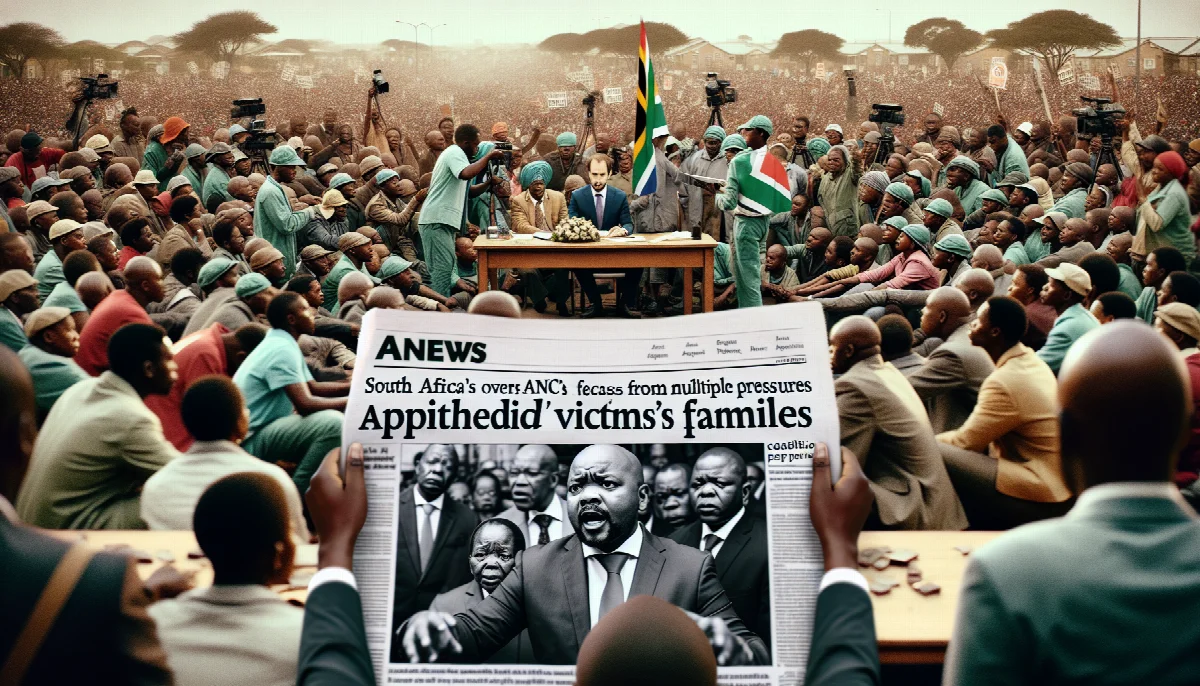
President Cyril Ramaphosa pledged action before the Khampepe Commission as 25 families and survivors of apartheid-era atrocities voiced frustration over decades-long delays in Truth and Reconciliation Commission (TRC) reparations. The families directed particular criticism at former presidents Thabo Mbeki and Jacob Zuma, according to The Citizen. The commission represents a renewed effort to address unfulfilled promises from the TRC process that concluded in 1998, with many victims' families still awaiting financial and symbolic redress.
Separately, the Democratic Alliance's position on the proposed summoning of the US ambassador has drawn scrutiny from political analysts. The Citizen reported that analysts "remain divided on the envoy's approach," with some questioning whether the DA's stance aligns with its stated principles. The party, which entered a Government of National Unity with the ANC following the 2024 elections, has faced recurring questions about its foreign policy positions, particularly regarding relations with Western powers. The specific circumstances prompting calls to summon the ambassador were not detailed in available reports.
Political observers suggest the ANC appears increasingly defensive amid these challenges. The Citizen characterised the party as being in "panic mode, much as their spin doctors will deny it," reflecting broader concerns about the party's diminished political capital. The ANC secured just 40% of the national vote in the 2024 elections, forcing it into coalition governance for the first time since 1994.
The convergence of historical justice demands and contemporary diplomatic tensions underscores the complex pressures facing South Africa's unity government. The Khampepe Commission proceedings signal that apartheid-era grievances remain politically salient three decades into democracy, while coalition dynamics introduce new complications to foreign policy positioning. The government has not announced specific timelines for TRC reparations or clarified its position on the US diplomatic matter.