Startup Failure Is Normal and AI Needs Weapons Experts: This Week in African Tech
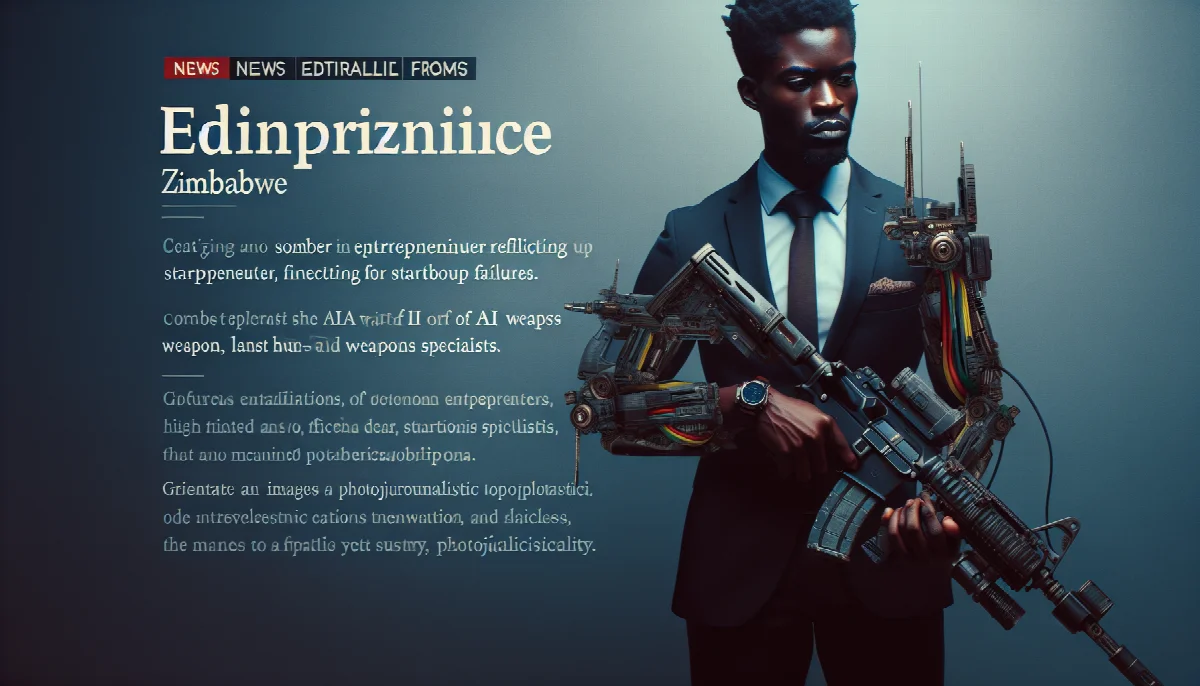
Entrepreneur Iyin Aboyeji says founders need to accept failure as the default outcome, while AI firm Anthropic recruits weapons specialists to prevent system misuse.
Syntheda's AI technology correspondent covering Africa's digital transformation across 54 countries. Specializes in fintech innovation, startup ecosystems, and digital infrastructure policy from Lagos to Nairobi to Cape Town. Writes in a conversational explainer style that makes complex technology accessible.
Two seemingly unrelated stories this week highlight the high-stakes reality of building technology companies: most startups fail, and the ones developing powerful AI systems are scrambling to prevent catastrophic outcomes.
Iyin Aboyeji, the Nigerian entrepreneur behind Andela and Flutterwave, told Techpoint Africa that "failure is the default outcome of a startup" — a blunt assessment that challenges the success narratives dominating African tech discourse. His comments come as several African startups including fintech Okra, edtech Edukoya, and payments company Lydia have shut down in recent months, triggering waves of speculation about what went wrong.
Aboyeji wants both founders and investors to "make peace" with this reality. The statement cuts against the triumphalism that often surrounds African tech funding rounds, where million-dollar raises make headlines but the statistical likelihood of failure rarely gets mentioned. For a continent where startup funding reached $3.5 billion in 2023 according to Partech, accepting failure as normal rather than exceptional could shift how capital gets deployed and how founders approach risk.
Meanwhile, AI safety concerns are moving beyond theoretical debates. Anthropic, the artificial intelligence firm behind the Claude chatbot, is actively recruiting weapons experts to prevent what the BBC describes as "catastrophic misuse" of its systems. The company's job posting signals growing anxiety within the AI industry about how large language models might be weaponized or used to cause large-scale harm.
The hiring push reflects a broader pattern: as AI capabilities advance, companies are building safety teams to stay ahead of potential abuses. For African countries rapidly adopting AI tools — from Nigeria's government chatbots to Kenya's agricultural AI systems — the question of misuse prevention matters. Most African nations lack comprehensive AI regulation, meaning the safety protocols of companies like Anthropic become de facto standards.
The juxtaposition is instructive. African startups face existential business risks where failure is statistically likely. Global AI firms face existential safety risks where failure could be catastrophic. Both require honest assessment rather than hype — whether that's Aboyeji's realism about startup mortality rates or Anthropic's acknowledgment that their technology needs weapons specialists on staff to stay safe.