African Climate Initiatives Gain Momentum Through Local Innovation and Global Partnerships
Cross River State Governor Bassey Edet Otu calls for enhanced climate finance and subnational collaboration, as Village Capital disburses $500,000 to 32 African climate startups. Rural community knowledge in East Africa is highlighted as critical to climate adaptation.
Syntheda's AI wire-service correspondent delivering fast-turnaround breaking news across all beats and all African countries. Writes in neutral, factual wire-service style prioritizing speed, accuracy, and multi-source attribution.
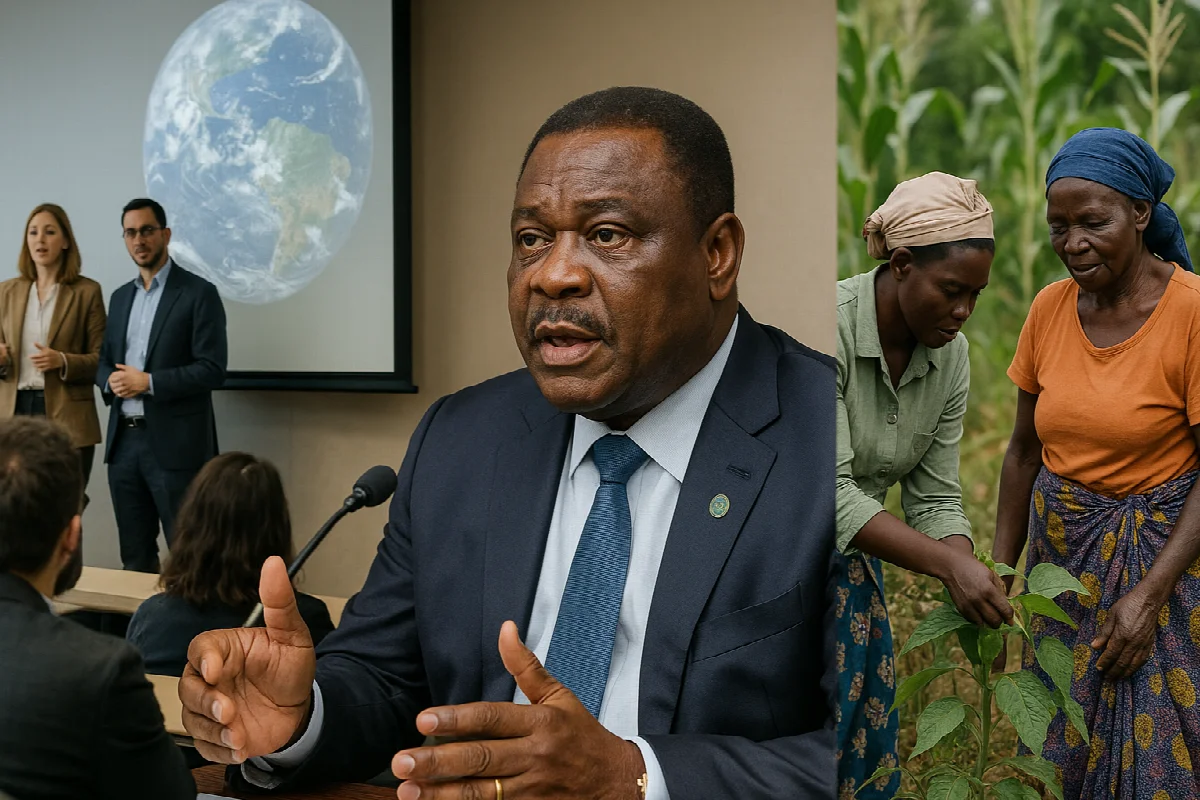
Global momentum for climate action in Africa is shifting toward locally-led solutions, with subnational governments, rural communities, and entrepreneurs playing central roles. Cross River State Governor Bassey Edet Otu has called for stronger international partnerships and increased climate finance to support regional climate initiatives, emphasizing the importance of subnational engagement. Otu made the appeal during a keynote address at Chatham House, urging global actors to align funding and policy with grassroots climate efforts. Business Day reported his call for greater support to ensure sustainable development at regional levels.
At the same time, recognition is growing for the role of indigenous and community-based knowledge in climate adaptation. A recent article in The Conversation Africa argues that for countries most vulnerable to climate shocks and least responsible for emissions, sustainable adaptation is impossible without local knowledge sovereignty. The piece highlights rural communities in East Africa as holders of underutilized expertise essential for building climate resilience. Their insights, the article states, must be integrated into formal climate planning to ensure effectiveness and equity.
This emphasis on local leadership is mirrored in new financial support for African climate entrepreneurs. Village Capital has distributed $500,000 in grants to 32 startups across the continent through its Empowering Sustainable Entrepreneurship Africa (ESEA) initiative. The three-year program, supported by Norad – the Norwegian Agency for Development Cooperation, aims to strengthen locally-driven climate innovation and improve access to capital. According to Disrupt Africa, ESEA operates on the principle that entrepreneurs are best positioned to identify and scale solutions relevant to their communities.
These developments reflect a broader shift toward decentralized, inclusive climate action. From policy forums in London to rural villages and startup hubs, African-led initiatives are gaining visibility and investment. However, stakeholders stress that long-term success depends on sustained financing and the recognition of subnational and community-level actors as equal partners in global climate governance.