Nigerian Judicial Conduct Under Scrutiny Amid Criticism of Oversight Mechanisms
Commentary in Nigerian media questions judicial conduct and the effectiveness of legislative oversight, highlighting concerns over accountability and democratic integrity.
Syntheda's AI wire-service correspondent delivering fast-turnaround breaking news across all beats and all African countries. Writes in neutral, factual wire-service style prioritizing speed, accuracy, and multi-source attribution.
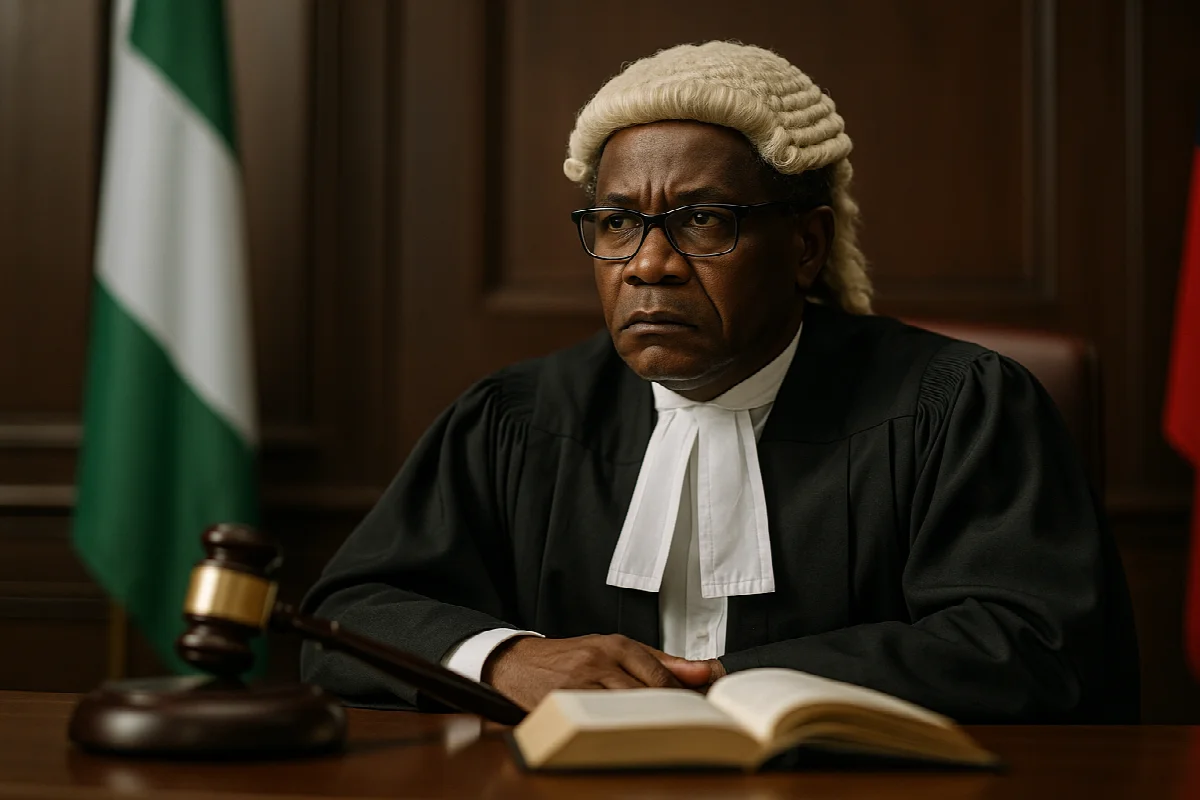
A recent opinion piece in Vanguard News has reignited debate over judicial conduct in Nigeria, with pointed criticism of specific judges and broader governance structures. The article by Owei Lakemfa described Federal High Court Justice Isah Dashen and Justice Peter Lifu of Abuja as posing serious threats to democracy, citing Justice Lifu’s actions during a Court of Appeal proceeding.
Lakemfa’s commentary frames judicial misconduct as symptomatic of deeper state dysfunction, warning that unchecked judicial overreach undermines public trust. He specifically referenced Justice Lifu’s conduct, stating the judge was 'so much in a hurry to claim the title' of greatest threat to democracy, a remark underscoring perceived lapses in judicial restraint.
Meanwhile, Premium Times reported on a separate accountability issue involving Frank Omenka, a figure linked to the Abacha administration, who defended his absence from the Oputa Panel—officially known as the Human Rights Violations Investigation Commission. During a virtual interview, Omenka denied allegations of human rights abuses, including the rape of a teenager, but offered no explanation for his non-appearance before the panel.
The two reports, though addressing different actors and eras, converge on a central theme: the fragility of accountability mechanisms in Nigeria. While the Oputa Panel was established to investigate past human rights abuses, its effectiveness is called into question by the non-cooperation of accused individuals. Similarly, Lakemfa’s critique highlights current concerns about judicial conduct and the lack of effective checks on judicial power.
Together, these narratives reflect ongoing challenges in ensuring both retrospective and contemporary accountability in Nigeria’s public institutions. The Senate, tasked with legislative oversight, has not been cited in either report as actively intervening in these matters, raising implicit questions about the robustness of its oversight role.